No. Persistent fatigue is often a sign of an underlying health issue.
If your fatigue lasts more than a few weeks, it’s best to consult a medical professional.
Yes. Depression, stress, and anxiety can all contribute to a constant feeling of tiredness.
Poor sleep quality, sleep disorders, or lifestyle factors could be the reason.
Yes. B12, vitamin D, and iron deficiencies are common culprits.
Maintain sleep hygiene, stay hydrated, eat healthy, and include regular light exercise.
Yes. Factors like iron deficiency and irregular sleep can affect children as well.
A condition where breathing stops briefly during sleep, disrupting rest and causing fatigue.
Blood tests, thyroid panels, vitamin levels, and glucose checks are commonly used.
No. This content is for informational purposes only. Please consult a medical facility for treatment.
No, but viral illnesses like the flu may cause temporary fatigue.
Yes. Changes in daylight and weather can impact metabolism and energy levels.
They offer short-term alertness but are not a long-term fix.
Yes. Regular physical activity can boost energy and reduce fatigue.
An internal medicine (general practitioner) specialist is the first point of contact.
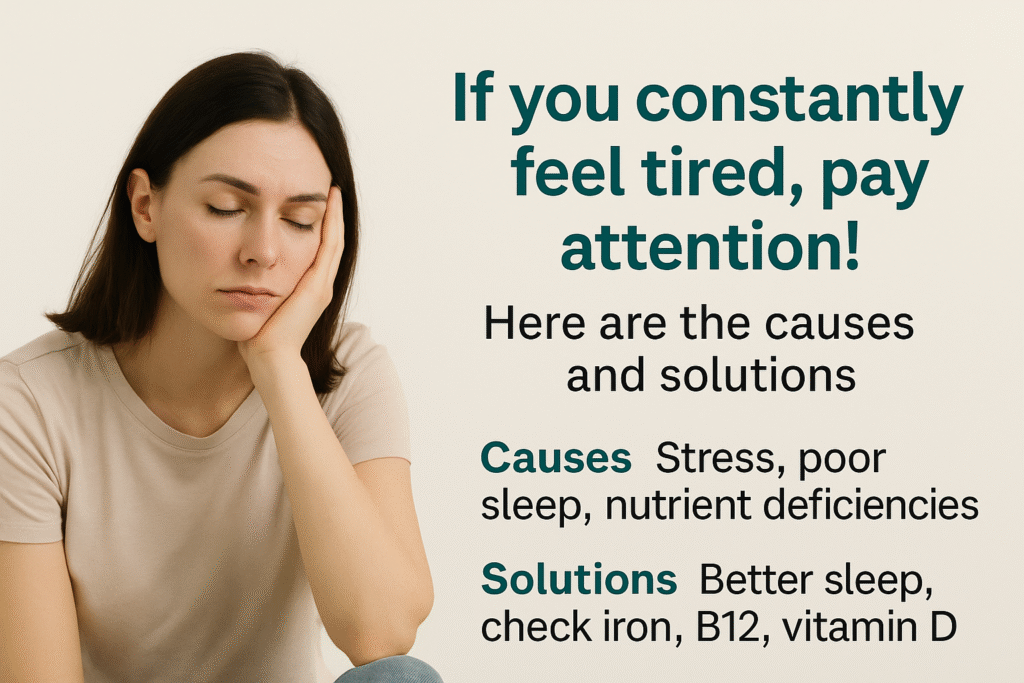
Nowadays, many people constantly feel tired due to a hectic work schedule, urban stress, poor nutrition, and sleep issues. If you struggle to wake up in the mornings, feel drained throughout the day, and get exhausted after minimal effort, this condition may have become chronic. Persistent fatigue is a signal from your body and it’s crucial to understand what it’s trying to tell you.
Fatigue can be physical, mental, or emotional in origin. Sometimes it resolves with rest, but in other cases, energy loss may last for weeks or months. Such cases should be medically evaluated. Underlying causes may include anemia, thyroid disorders, depression, chronic stress, sleep apnea, or vitamin deficiencies.
The first step in coping with chronic fatigue is identifying its root cause. Consult an internal medicine specialist and undergo thorough blood tests. If deficiencies or hormonal imbalances are detected, appropriate treatment can yield rapid improvements.
Review your dietary habits. Balanced and regular meals provide the body with necessary energy. Avoid processed foods, excess sugar, and caffeine. Instead, prioritize fresh vegetables, protein sources, and proper hydration.
Try to establish a sleep routine. Going to bed and waking up at the same time daily regulates your biological clock. Reducing screen time and blue light exposure before sleep also promotes better quality rest.
Make physical activity part of your lifestyle. Daily walks, light exercise, yoga, or meditation can increase both mental and physical energy. Exercise also triggers the release of happiness hormones and reduces stress.
The content on this page is for informational purposes only. Yesilkoy Medical Center does not provide diagnosis or treatment services related to this topic. For any health concerns, please consult a qualified healthcare provider.