

Hair Loss in Women and Treatment Options
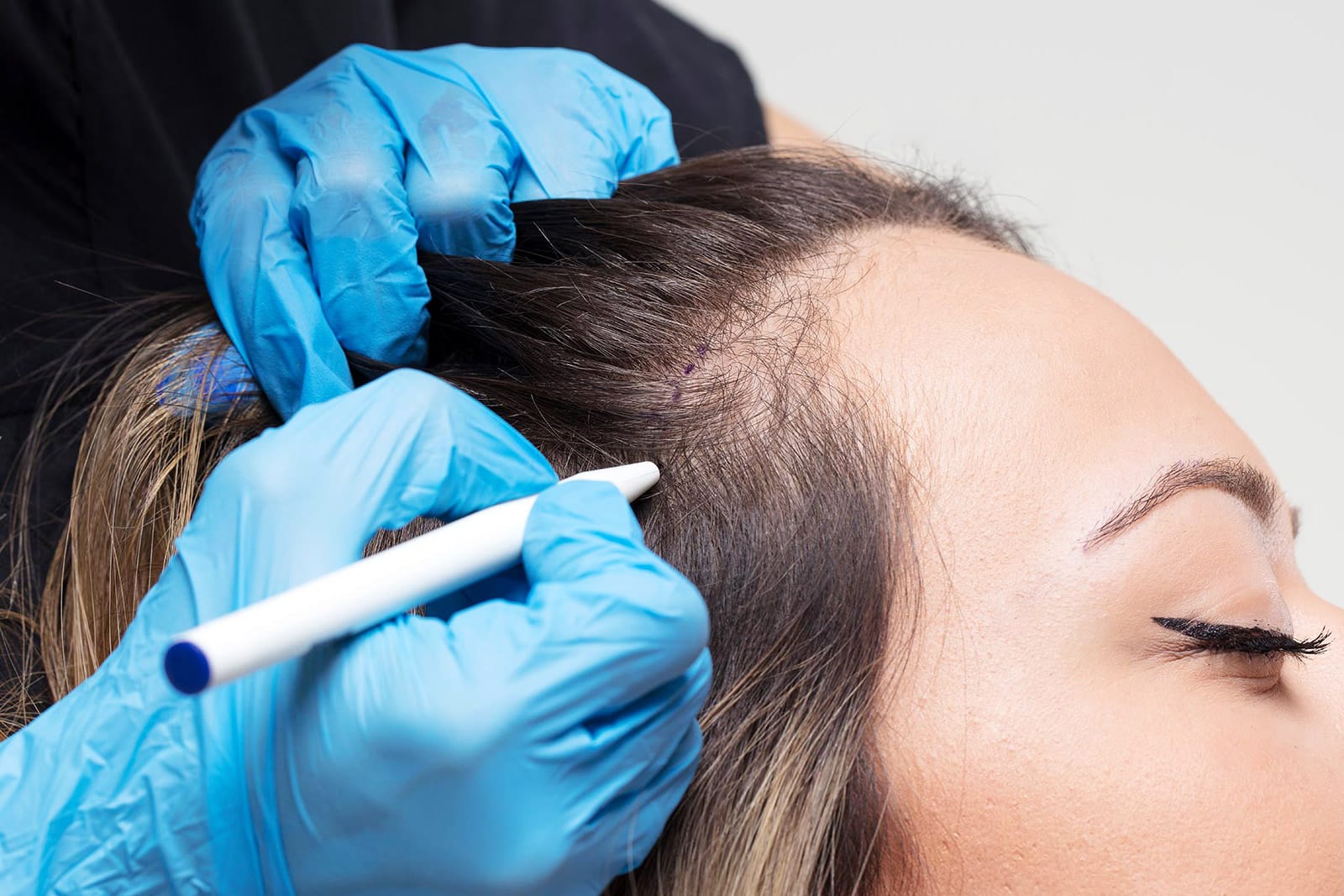
Hair loss in women is a common condition that can affect both physical appearance and psychological well-being. Losing a certain amount of hair every day is considered normal. On average, shedding between 50 and 100 hair strands daily is part of the natural hair growth cycle. However, if hair shedding becomes noticeably excessive, hair density decreases, or the hairline begins to recede, the issue should be evaluated more carefully.
Many women initially see hair loss as only a cosmetic concern, but in some cases it may also signal underlying health issues. Hormonal changes, vitamin deficiencies, stress, genetic predisposition, and certain medical conditions can all contribute to hair loss. Therefore, identifying the underlying cause is crucial for determining the most effective treatment.
Common Causes of Hair Loss in Women
One of the most common causes of hair loss in women is hormonal imbalance. Situations such as postpartum hormonal changes, menopause, thyroid disorders, and polycystic ovary syndrome (PCOS) can affect the natural hair growth cycle. Fluctuations in hormone levels may weaken hair follicles and cause hair strands to become thinner.
Nutritional deficiencies are another significant factor. Iron deficiency, low vitamin B12 levels, and insufficient intake of nutrients such as zinc and biotin can negatively affect hair follicle health. Additionally, long-term restrictive diets or rapid weight loss can trigger temporary or prolonged hair shedding.
Stress also plays a major role in female hair loss. Chronic stress, sleep disturbances, and psychological pressure can push more hair follicles into the shedding phase of the hair growth cycle. As a result, noticeable thinning of hair may occur over time.
For more scientific information about hair loss causes, you can review resources published by the
American Academy of Dermatology.
When Should Hair Loss Be Taken Seriously?
Not all hair loss requires medical treatment. Seasonal hair shedding can occur during certain times of the year and often resolves on its own. However, some symptoms may indicate an underlying health condition that requires professional evaluation.
- A noticeably widening hair part
- Rapid decrease in hair density
- Visible patches or bald spots on the scalp
- Itching, redness, or flaking of the scalp
If these symptoms occur, consulting a dermatologist is recommended. Blood tests and scalp examinations can help determine the root cause of the problem and guide the appropriate treatment approach.
Treatment Options for Hair Loss in Women
The treatment of hair loss should always be tailored to the individual and based on the underlying cause. If nutritional deficiencies are responsible, correcting these deficiencies through balanced nutrition and doctor-recommended supplements may help strengthen hair follicles.
When hormonal conditions are involved, treating the underlying disorder can significantly reduce hair shedding. For example, managing thyroid disorders or regulating hormone levels may help restore healthier hair growth.
Dermatologists may also recommend certain topical treatments designed to support hair follicle activity. Additionally, procedures such as hair mesotherapy and PRP (Platelet-Rich Plasma) therapy are often used as supportive treatments. These methods aim to stimulate hair follicles and improve scalp health.
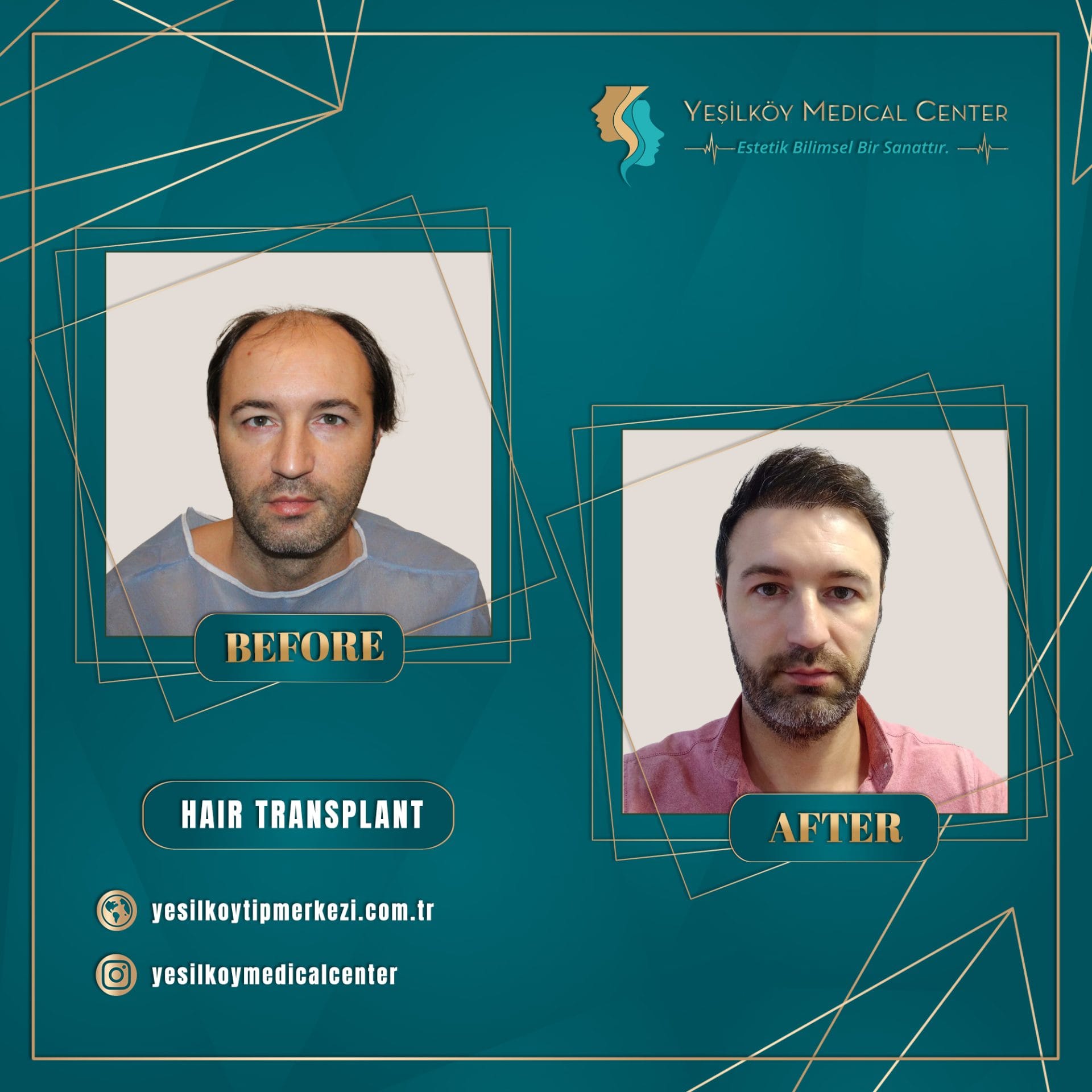
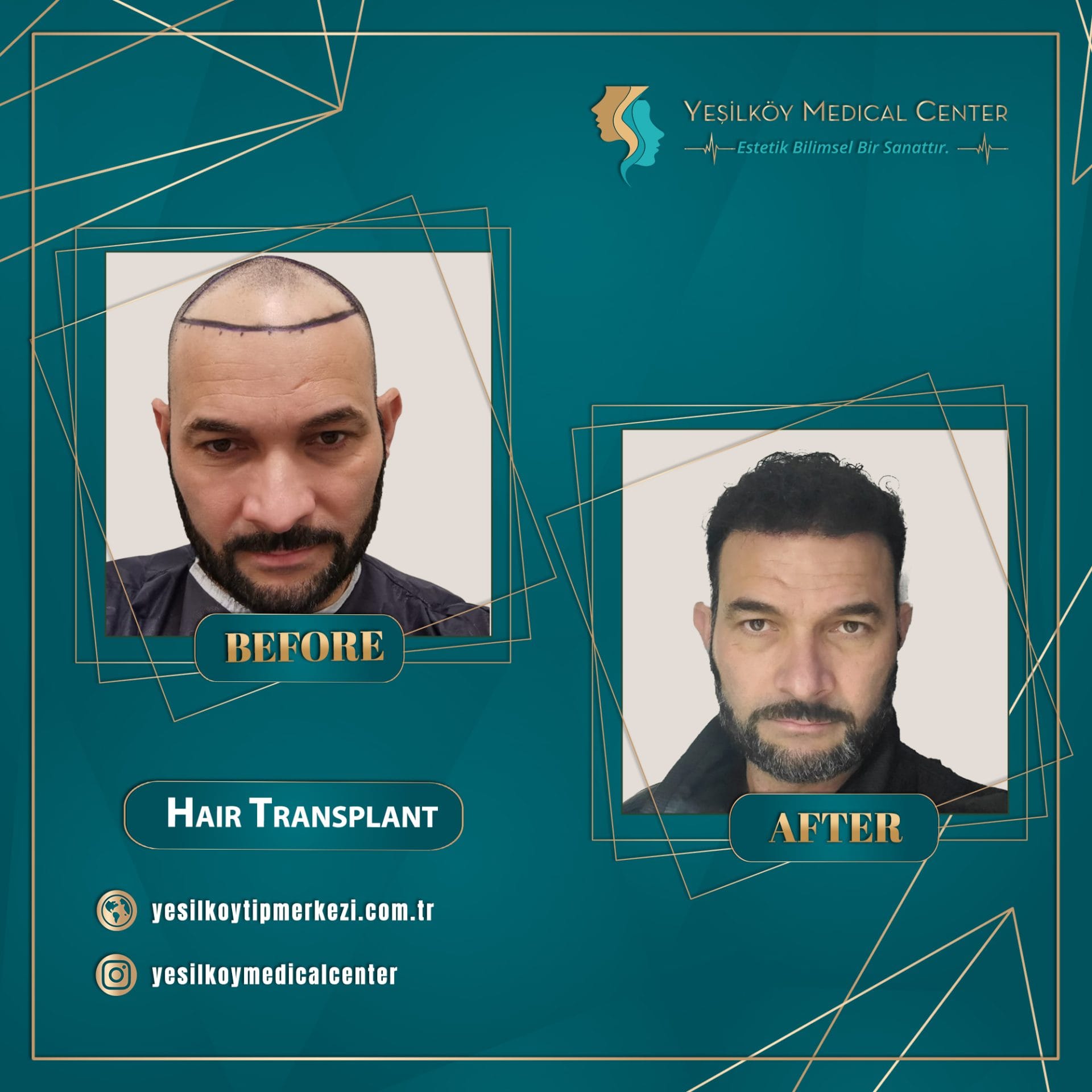
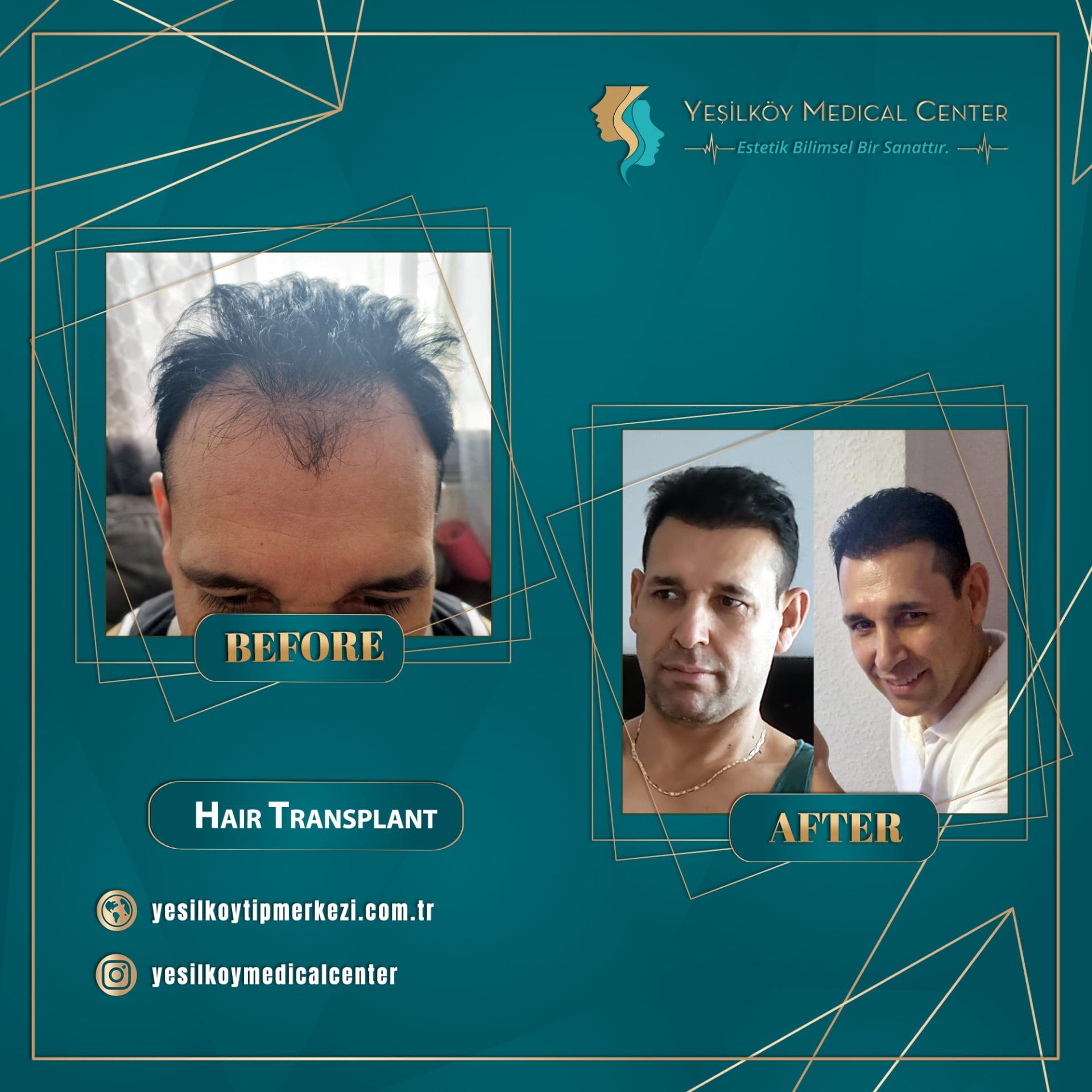
For individuals experiencing advanced hair thinning, hair transplantation may offer a long-term solution. To learn more about this procedure, you can visit our
hair transplant treatment page.
Tips for Maintaining Healthy Hair
Adopting healthy hair care habits can help reduce the risk of hair loss. Washing hair with excessively hot water, frequent use of harsh chemical treatments, and tightly pulling hair into hairstyles such as ponytails or buns can damage hair follicles.
A balanced diet rich in protein, healthy fats, leafy greens, and adequate hydration supports hair health. Maintaining regular sleep patterns and managing stress are also important lifestyle factors that contribute to healthier hair growth.
Conclusion
Hair loss in women can develop due to many different factors, including hormonal changes, nutritional deficiencies, stress, and genetic predisposition. Recognizing hair loss early and identifying the underlying cause are key steps toward effective treatment.
If you notice significant thinning or excessive shedding, consulting a healthcare professional is recommended. With the right diagnosis and treatment plan, it is often possible to manage hair loss and maintain healthier hair over time.