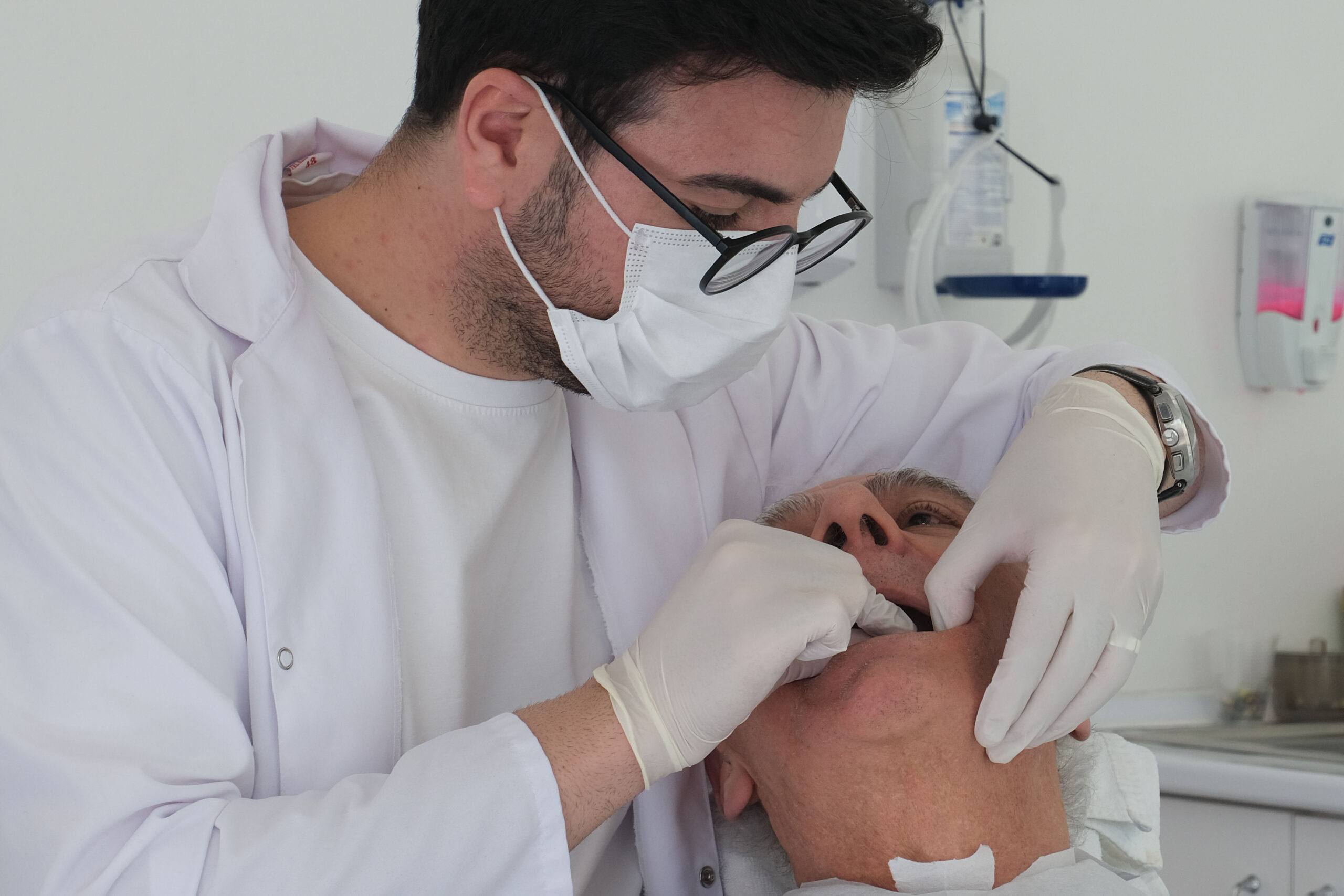
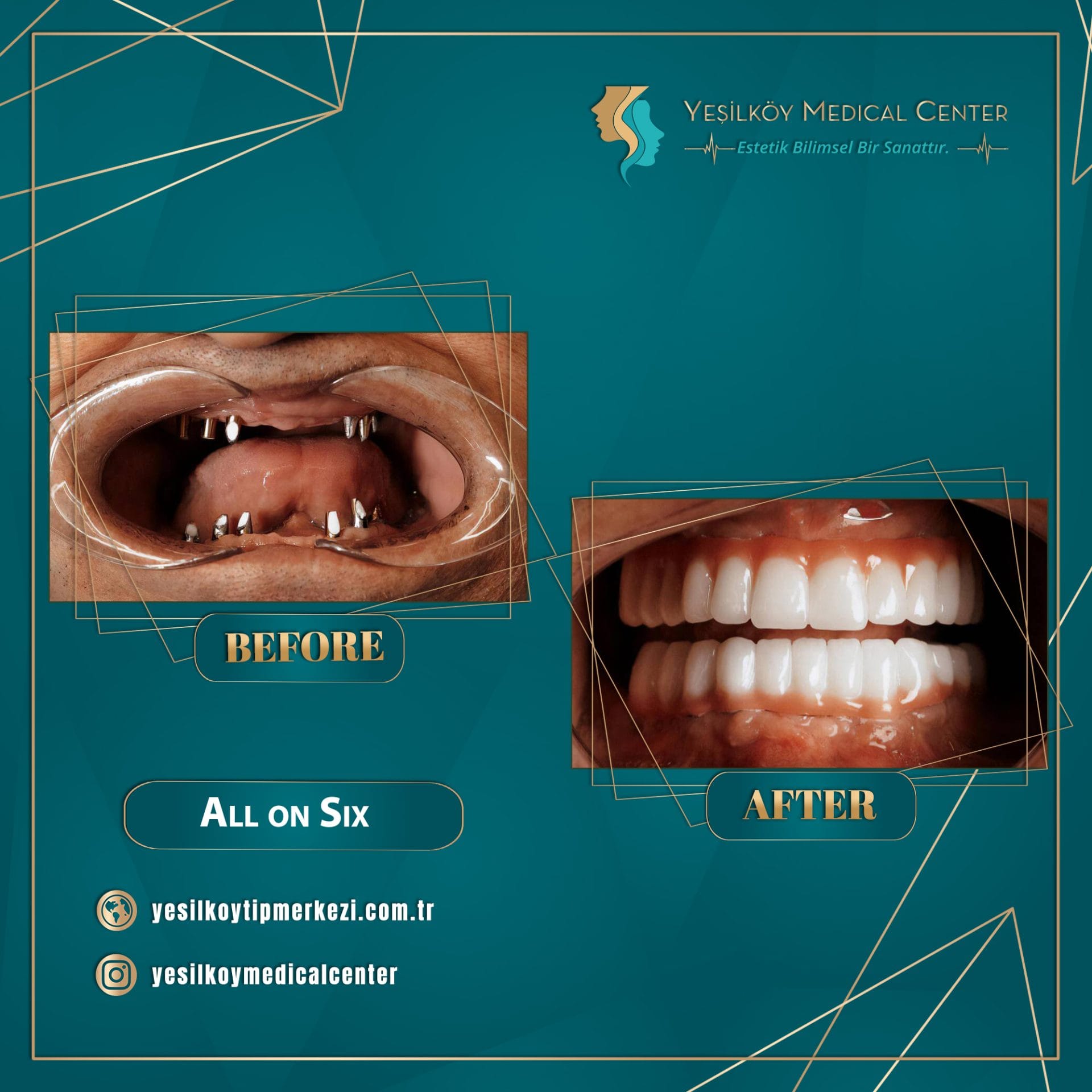
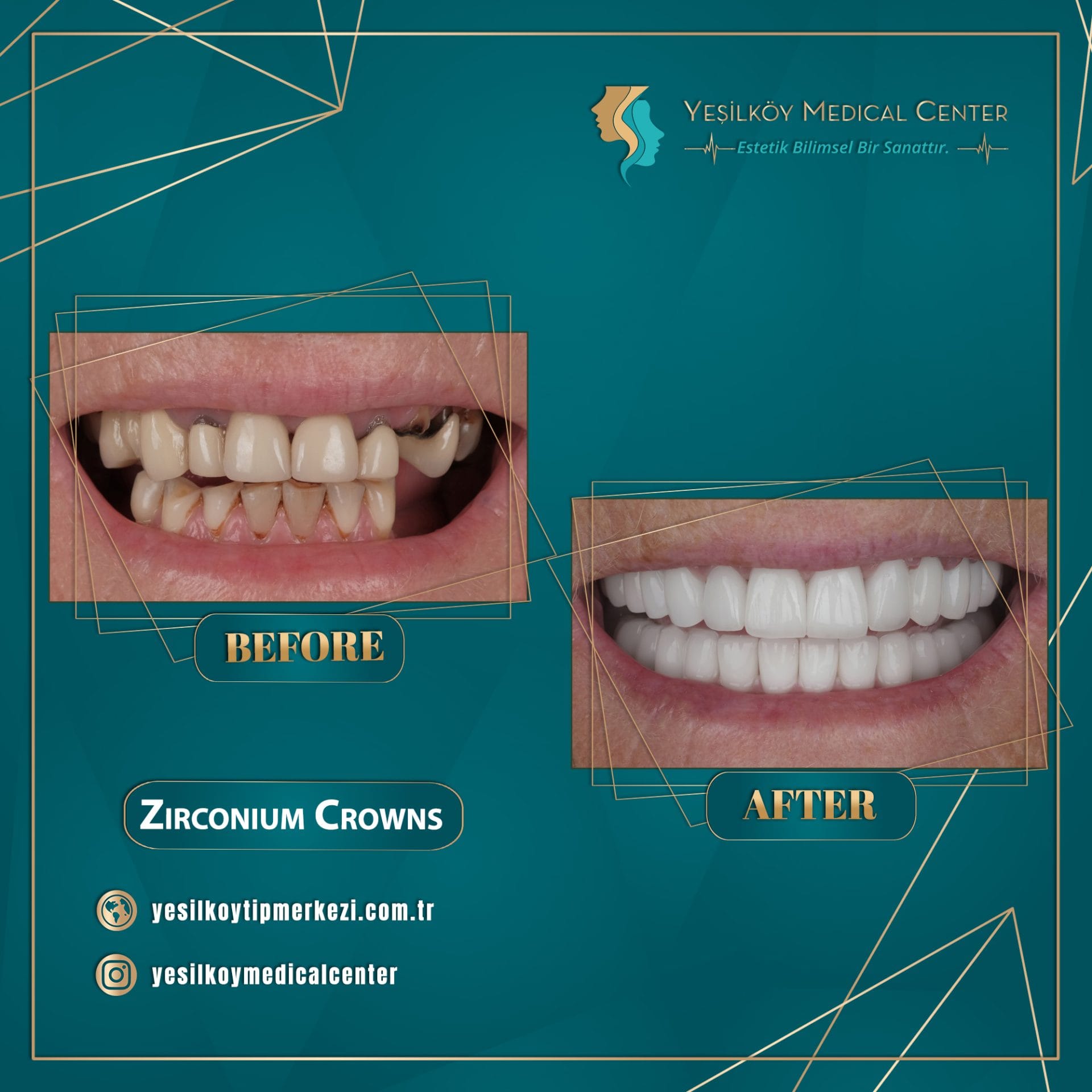
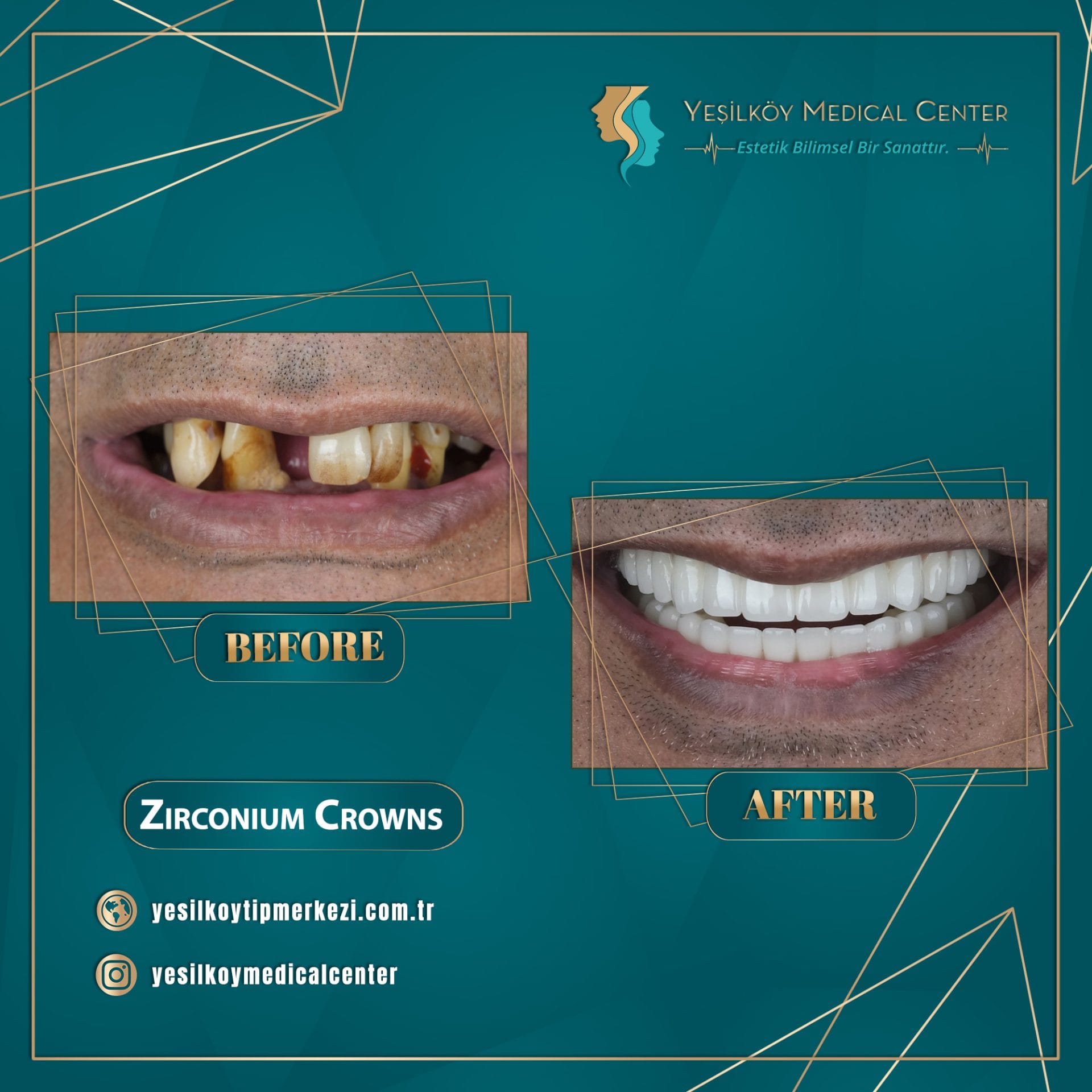
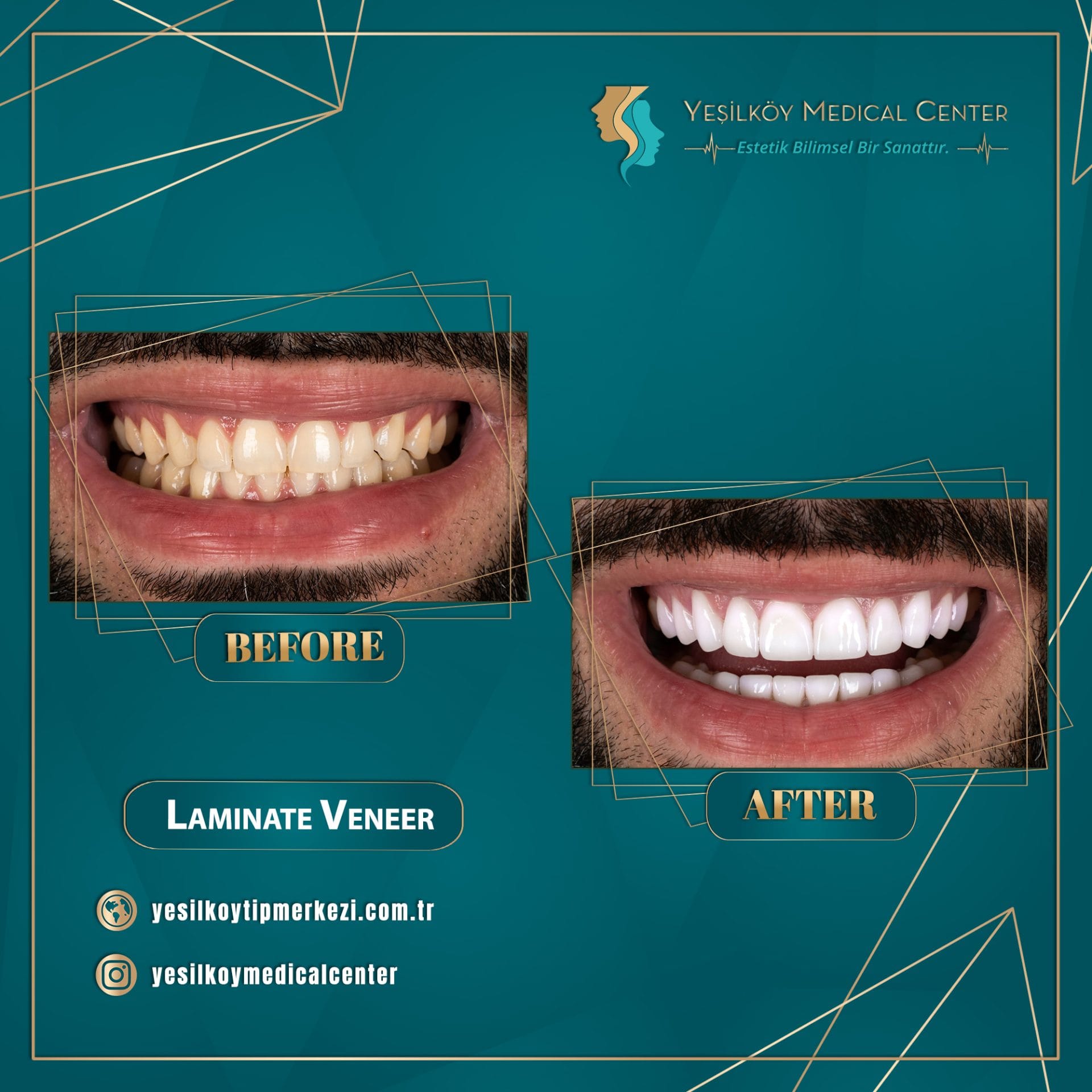
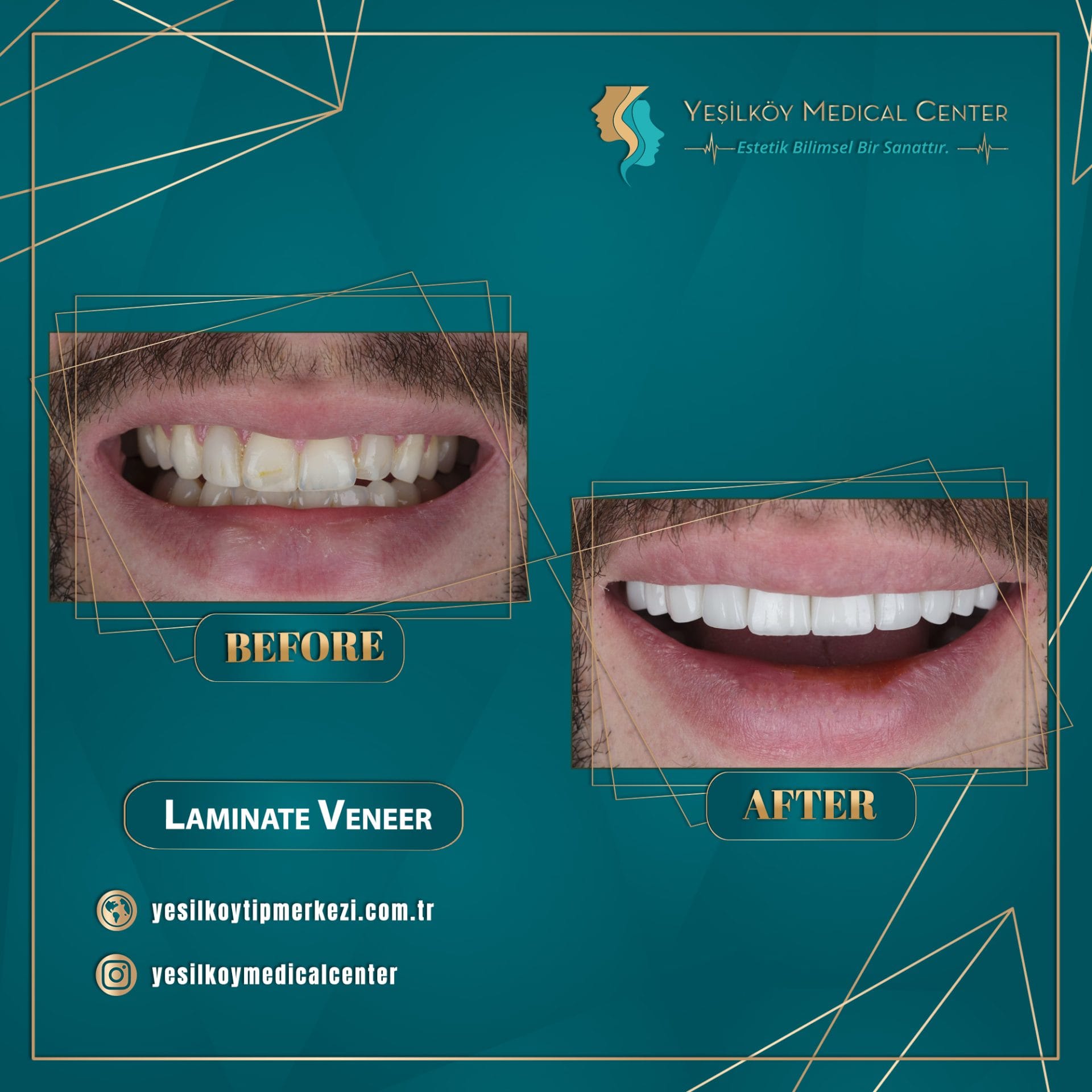
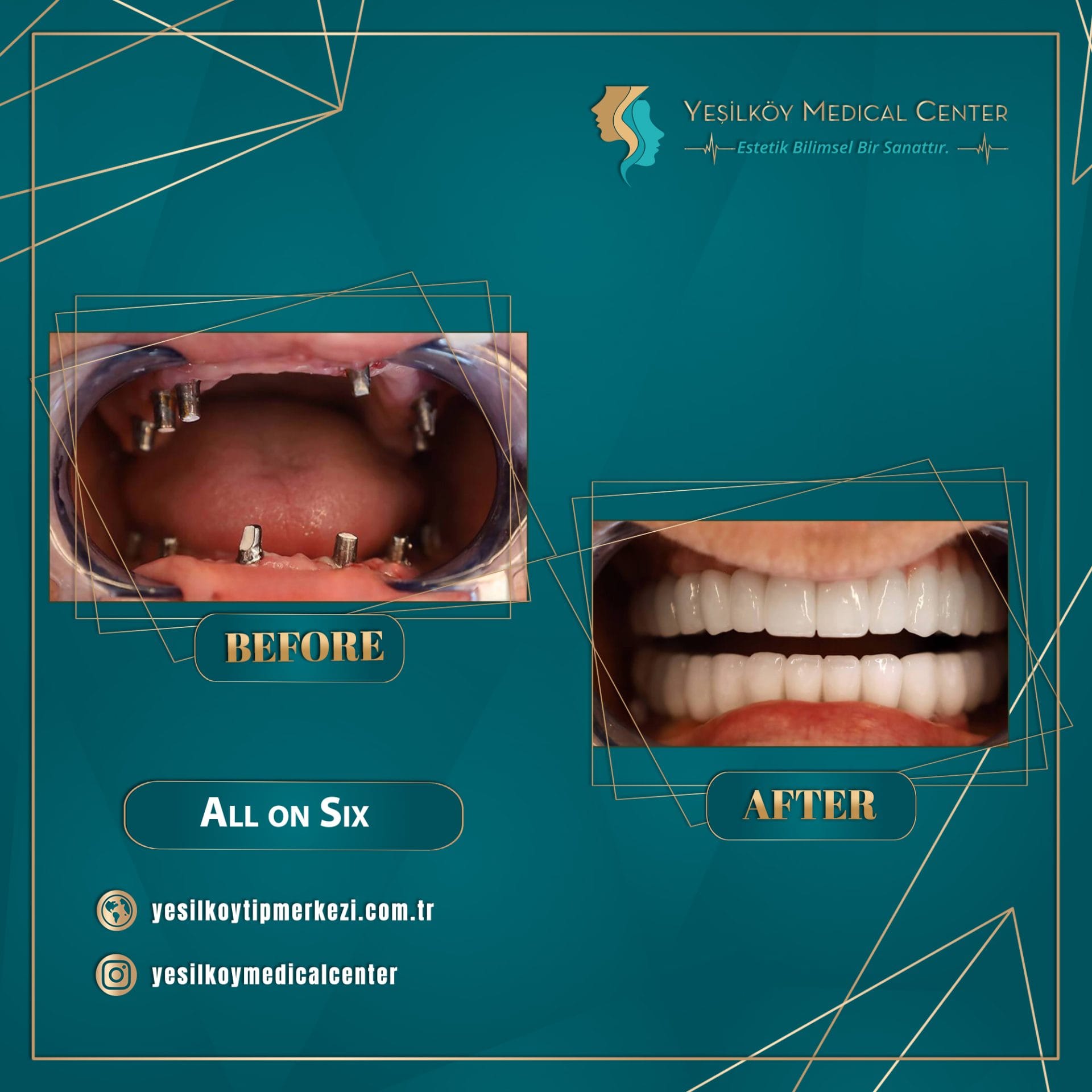
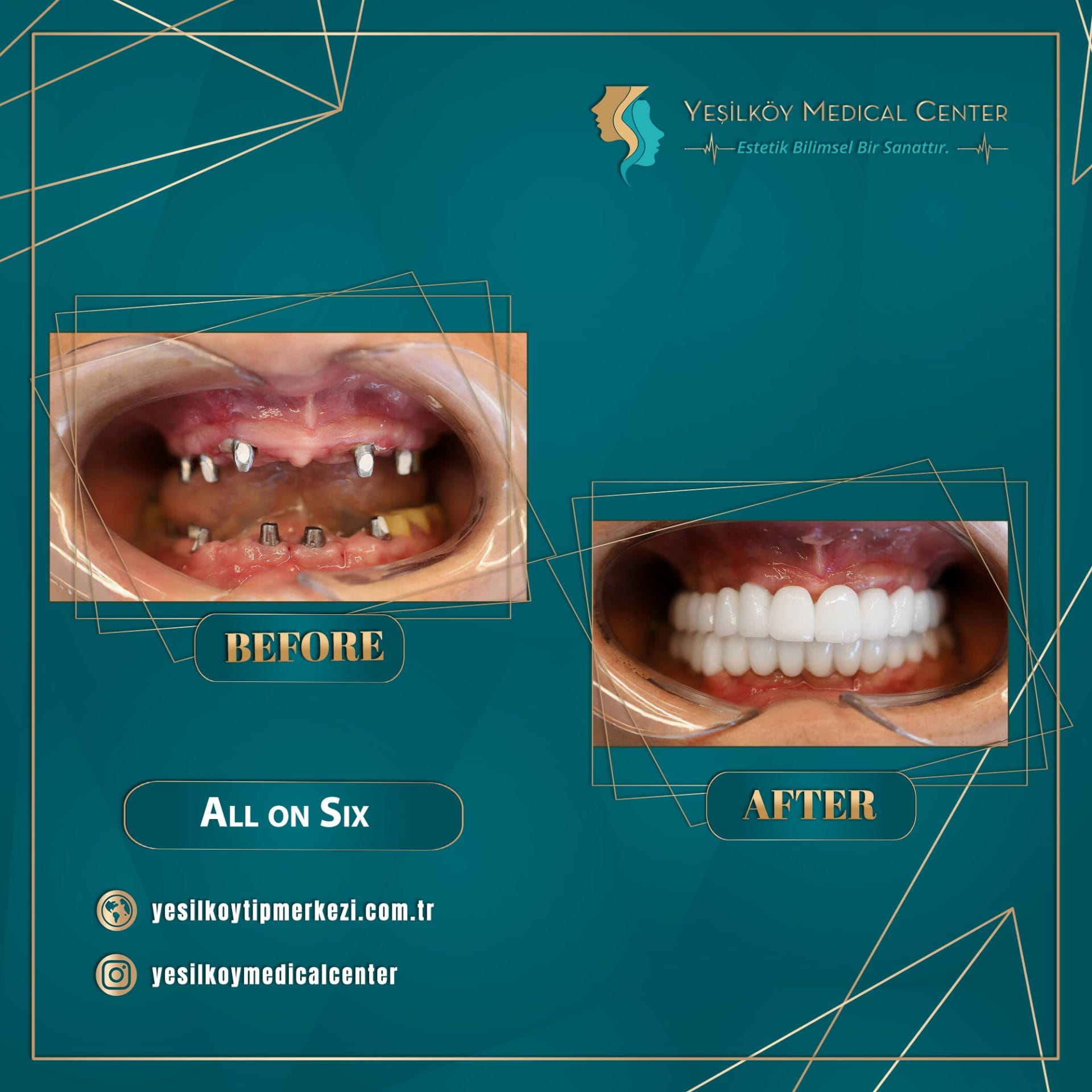
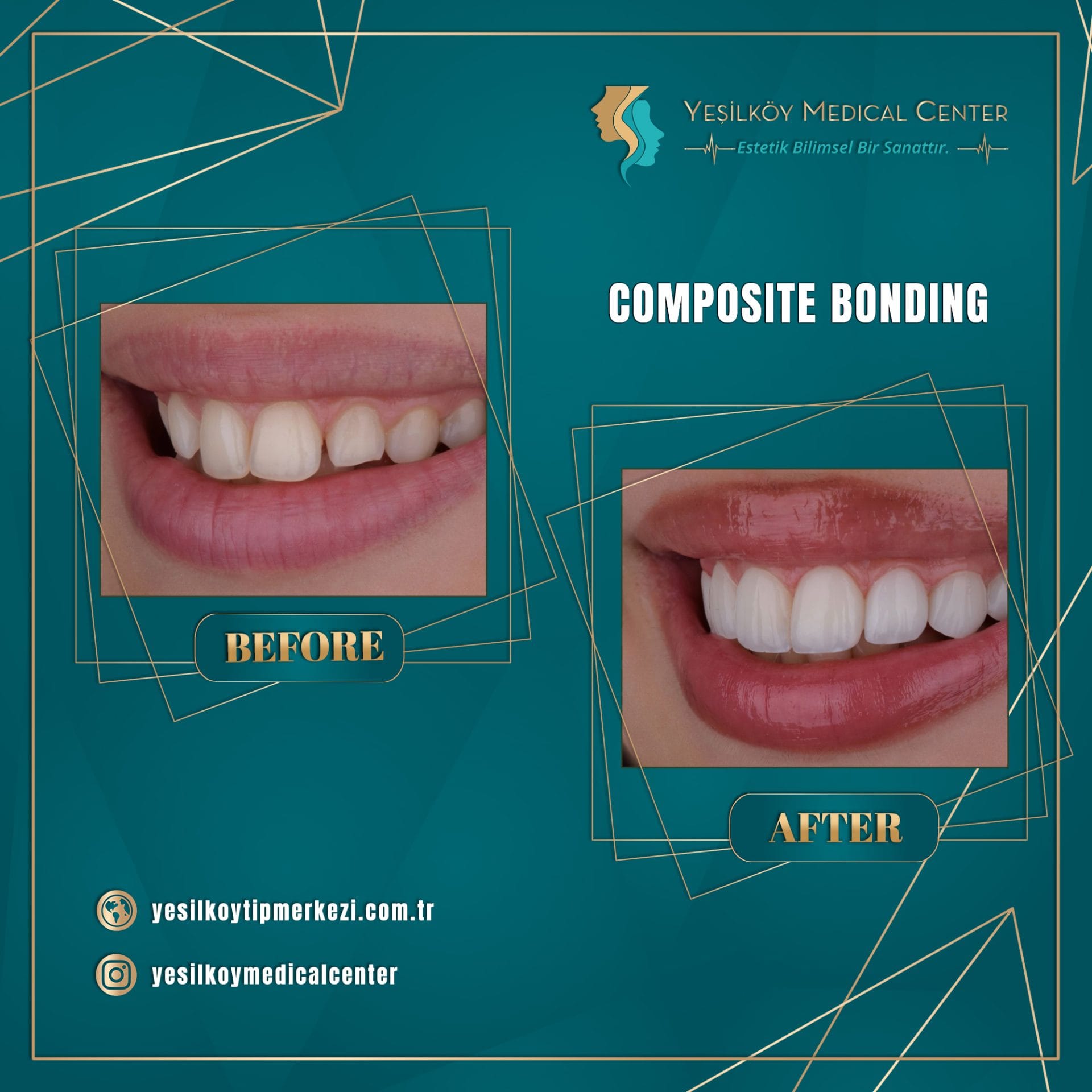
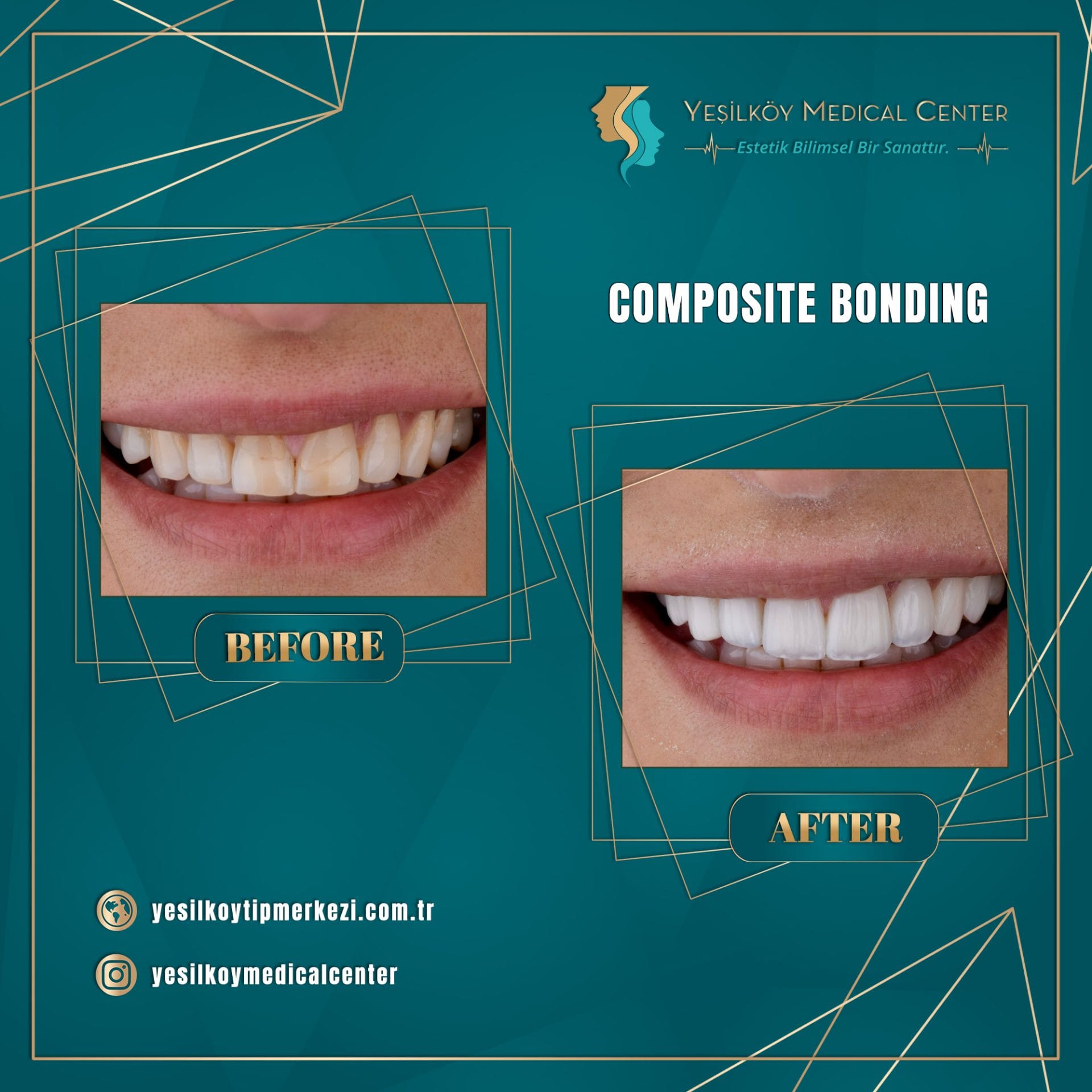
Informative image about the effects of tooth loss on oral health
Tooth loss is not just an aesthetic issue. In fact, when considering the effects of tooth loss on oral health, it becomes clear that this condition can significantly impact both oral balance and overall quality of life. Each tooth plays a vital role in chewing, speaking, maintaining proper bite alignment, and preserving jawbone health. Therefore, losing even a single tooth can lead to more serious problems over time.
Many people tend to ignore missing teeth for long periods. However, the effects of tooth loss on oral health may start with mild symptoms but can eventually lead to serious complications such as shifting teeth, jawbone loss, gum disease, and chewing dysfunction. For this reason, early diagnosis and proper treatment are essential.
What Is Tooth Loss?
Tooth loss refers to the absence of one or more teeth due to decay, trauma, gum disease, infection, genetic factors, or aging. Each tooth contributes to a balanced oral system. When this balance is disrupted, it not only creates gaps but also affects neighboring teeth, bite alignment, and oral hygiene.
Especially in cases of one-sided tooth loss, individuals may unconsciously chew on one side. This leads to uneven muscle function and jaw imbalance. In short, the effects of tooth loss on oral health are not limited to the missing area but can influence the entire oral structure.
Reduced Chewing Efficiency
The primary function of teeth is to break down food for digestion. Missing teeth, particularly molars, significantly reduce chewing efficiency. Poorly chewed food places additional strain on the digestive system, potentially leading to stomach and intestinal issues.
People with missing teeth often avoid hard or fibrous foods, which can negatively affect their diet. This may result in poor nutrition and decreased quality of life. Therefore, the effects of tooth loss on oral health directly influence daily living.
Shifting Teeth and Bite Problems
Each tooth works in harmony with adjacent and opposing teeth. When one tooth is missing, this balance is disrupted. Neighboring teeth may tilt toward the gap, while opposing teeth may over-erupt. These changes can cause bite misalignment and increased pressure on the jaw joint.
Shifting teeth also make oral hygiene more difficult. Hard-to-clean areas can accumulate plaque, leading to cavities and gum disease. Thus, the effects of tooth loss on oral health can evolve into a chain reaction affecting otherwise healthy teeth.
Why Does Jawbone Loss Occur?
Tooth roots stimulate the jawbone and help maintain its density. When a tooth is lost, this stimulation stops, causing the bone in that area to gradually shrink. Jawbone loss is one of the most critical consequences of tooth loss and often goes unnoticed in early stages.
Advanced bone loss can complicate future treatments like dental implants. In some cases, additional bone grafting procedures may be required. Therefore, among the effects of tooth loss on oral health, bone loss must be taken seriously. Early treatment helps preserve bone structure.
Impact on Speech and Social Life
Missing front teeth can make it difficult to pronounce certain sounds such as “S,” “F,” or “V.” This may lead to communication challenges and reduced confidence in social settings. People may feel uncomfortable smiling or speaking openly.
Thus, the effects of tooth loss on oral health should not only be considered physically but also psychologically. A healthy smile contributes to better self-confidence and overall well-being.
Effects on Gum Health and Oral Hygiene
Food particles can easily accumulate in areas with missing teeth. Additionally, shifting teeth create irregular surfaces that are harder to clean. This increases the risk of gum inflammation, bleeding, bad breath, and tartar buildup.
If gum disease progresses, it can damage the supporting structures of other teeth. Therefore, the effects of tooth loss on oral health may require professional dental care beyond regular hygiene practices.
What Happens If Tooth Loss Is Not Treated?
Untreated tooth loss can lead to progressive structural issues such as reduced chewing capacity, jaw strain, tooth misalignment, bone loss, and aesthetic deterioration. Delayed treatment can also make future procedures more complex and costly.
For this reason, it is essential to consult a dentist as soon as tooth loss occurs. Early intervention helps preserve bone and ensures a more comfortable treatment process.
Treatment Options for Missing Teeth
The most suitable treatment depends on the number of missing teeth, bone condition, oral health, and patient expectations. Common options include dental implants, bridges, and removable dentures. Implants are often considered the closest solution to natural teeth. Bridges provide fixed solutions, while dentures are suitable for multiple missing teeth cases.
For more information, you can visit
dental implant treatment.
You can also explore general oral health information at
oral and dental health.
For global health insights, visit
WHO oral health page or
MedlinePlus oral health resource.
Conclusion
In conclusion, the effects of tooth loss on oral health are extensive and should not be underestimated. From chewing difficulties and speech issues to bone loss and gum disease, missing teeth can impact many aspects of health. Additionally, aesthetic concerns and reduced confidence may arise. Therefore, missing teeth should be treated promptly with the most appropriate method to maintain long-term oral health and quality of life.
Use this calculator to check your body mass index (BMI).
Unit type
Height
cm.
Please enter value between 125 and 225.
Weight
kg.
Please enter value between 10.0 and 500.0 ( one decimal ).
Height
ft.
in.
Please enter value between 4.2 and 7.3
Weight
lb.
st.
Please enter value between 22.0 and 1000.0 ( one decimal ).
Calculate BMI
Use this calculator to check your body mass index (BMI), which can be a helpful tool in determining your weight category. Or, use it to calculate your child’s BMI.
Your Body Mass Index (BMI) is
Based on your input, your BMI is in the category
You
Underweight
Healthy
Overweight
Obese
For your height, a healthy weight would be between kilograms
For your height, a healthy weight would be between lb.