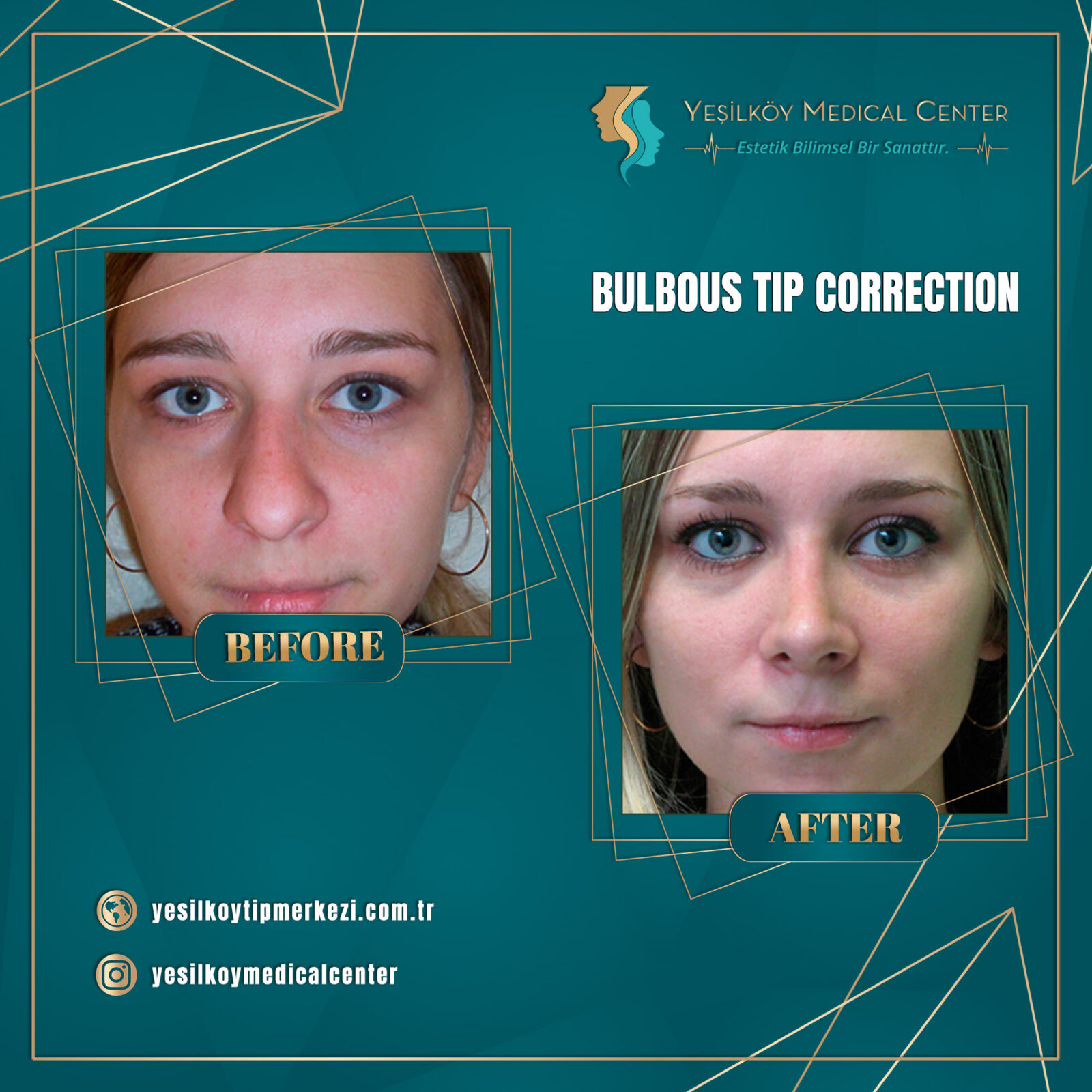
Informative image about what rhinoplasty is and nose surgeryWhat is rhinoplasty is one of the most frequently asked questions by individuals considering nose surgery. Rhinoplasty is a surgical procedure performed to improve the shape, size, and function of the nose. Commonly known as a “nose job,” this operation can be carried out for both aesthetic and medical reasons.
Since the nose is located at the center of the face, it plays a major role in overall facial appearance. Even small changes in nasal structure can significantly impact facial harmony. At the same time, correcting breathing problems can greatly improve quality of life. Therefore, what is rhinoplasty should be understood as both a cosmetic and functional surgical solution.
Why is Rhinoplasty Performed?
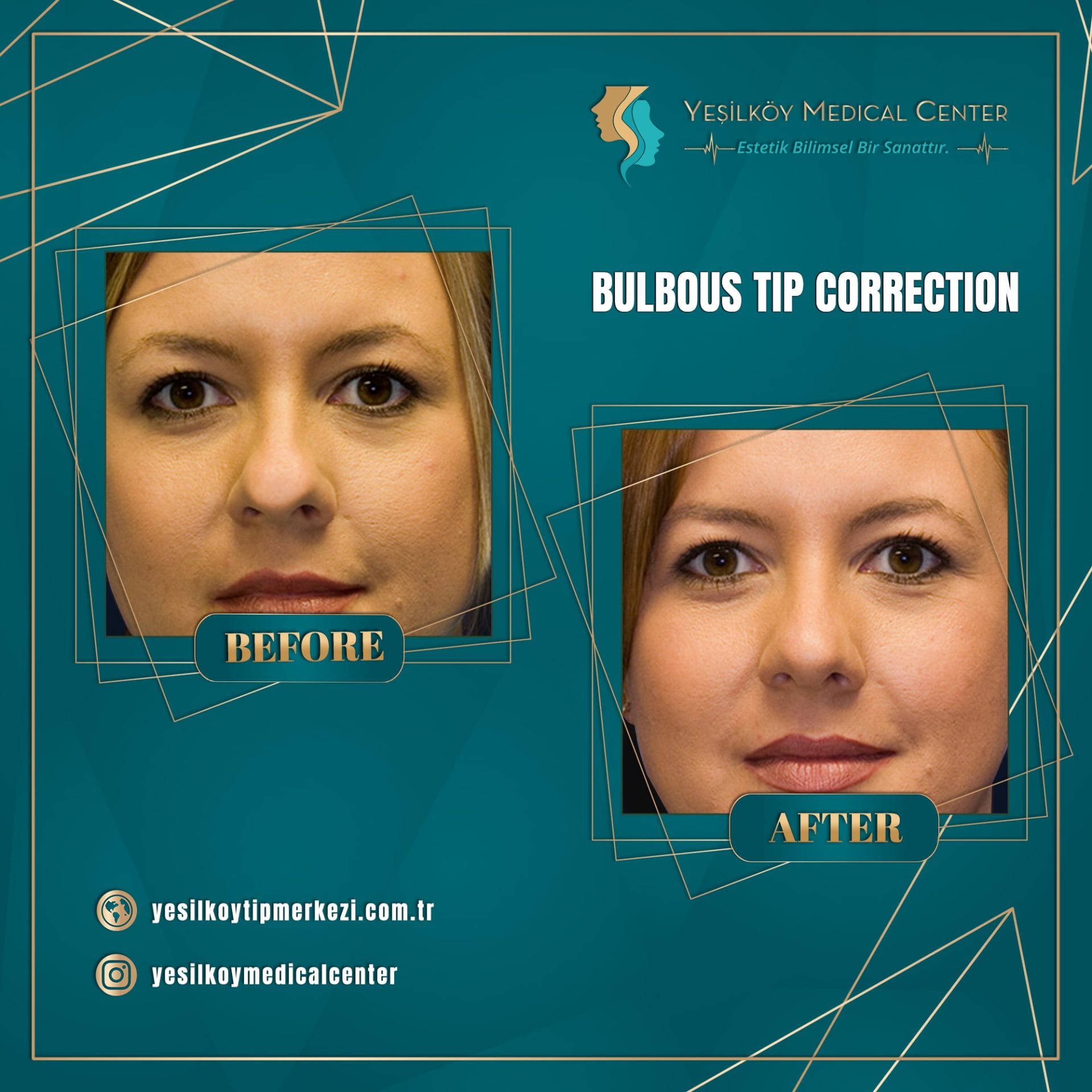
Rhinoplasty can be performed for a variety of reasons. From an aesthetic perspective, individuals may want to correct a nasal hump, refine the nasal tip, reduce or increase the size of the nose, or fix asymmetry. The main goal is to achieve a natural look that complements the facial features.
From a functional standpoint, rhinoplasty is often used to address breathing issues. Structural problems such as a deviated septum, trauma-related deformities, or congenital abnormalities can interfere with proper airflow. In such cases, rhinoplasty improves both appearance and function. This highlights that what is rhinoplasty goes beyond cosmetic enhancement.
How is Rhinoplasty Performed?
Rhinoplasty is typically performed under general anesthesia and takes about 1 to 3 hours. During the procedure, the surgeon reshapes the nasal bones and cartilage to achieve both aesthetic and functional improvements.
The surgery can be performed using either the open or closed technique. In open rhinoplasty, a small incision is made between the nostrils, allowing better visibility for the surgeon. In closed rhinoplasty, all incisions are made inside the nose, leaving no visible scars. The choice of technique depends on the patient’s anatomy and surgical goals.
With modern medical advancements, rhinoplasty procedures are now safer and more precise than ever before. This makes what is rhinoplasty an increasingly accessible and reliable option for patients.
Who is a Good Candidate for Rhinoplasty?
Rhinoplasty is suitable for individuals who are dissatisfied with the appearance of their nose or who experience breathing difficulties. However, certain criteria must be met before undergoing surgery. The patient’s facial and bone development should be complete, and they should be in good overall health.
It is also important for patients to have realistic expectations. Each nose and facial structure is unique, so the results vary from person to person. A detailed consultation with a qualified surgeon is essential for determining suitability and planning the procedure.
Recovery Process After Rhinoplasty
After rhinoplasty, mild swelling, bruising, and discomfort may occur during the first few days. These are normal and temporary effects. Most patients can return to their daily routines within a week, although complete healing takes longer.
The final shape of the nose may take several months to fully develop, with optimal results typically visible within 6 to 12 months. Following the surgeon’s instructions carefully, avoiding physical strain, and protecting the nose are crucial for a smooth recovery.
Benefits of Rhinoplasty
Rhinoplasty offers both physical and psychological benefits. Achieving a nose that is harmonious with facial features can significantly boost self-confidence. Many patients feel more comfortable in social situations after the procedure.
Additionally, improved breathing function can enhance sleep quality and overall well-being. For this reason, what is rhinoplasty should be seen as a procedure that combines aesthetic improvement with functional benefits.
Risks and Considerations
Like any surgical procedure, rhinoplasty carries certain risks, although they are rare. These may include infection, bleeding, prolonged swelling, or dissatisfaction with the results. Choosing an experienced surgeon significantly reduces these risks.
Before surgery, patients should provide a complete medical history and follow all pre- and post-operative instructions. Proper planning and aftercare are key factors in achieving successful outcomes.
In conclusion, what is rhinoplasty can be defined as a surgical procedure aimed at improving both the appearance and function of the nose. When performed by a skilled surgeon with proper planning, rhinoplasty can provide long-lasting and satisfying results.
Since every individual has a unique facial structure, a personalized approach is essential. Consulting with a specialist and understanding the process thoroughly will help ensure the best possible outcome and improved quality of life.
Use this calculator to check your body mass index (BMI).
Unit type
Height
cm.
Please enter value between 125 and 225.
Weight
kg.
Please enter value between 10.0 and 500.0 ( one decimal ).
Height
ft.
in.
Please enter value between 4.2 and 7.3
Weight
lb.
st.
Please enter value between 22.0 and 1000.0 ( one decimal ).
Calculate BMI
Use this calculator to check your body mass index (BMI), which can be a helpful tool in determining your weight category. Or, use it to calculate your child’s BMI.
Your Body Mass Index (BMI) is
Based on your input, your BMI is in the category
You
Underweight
Healthy
Overweight
Obese
For your height, a healthy weight would be between kilograms
For your height, a healthy weight would be between lb.