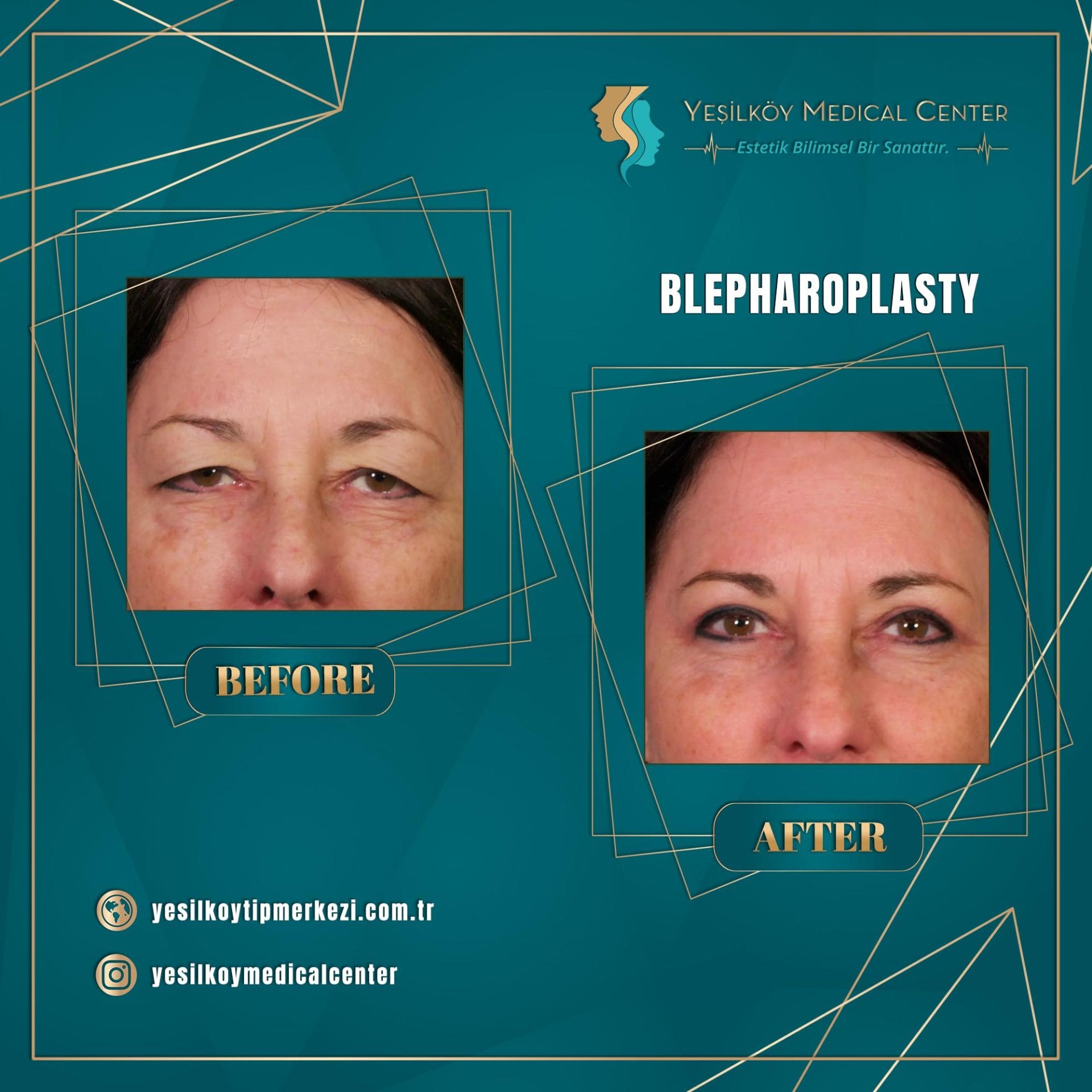
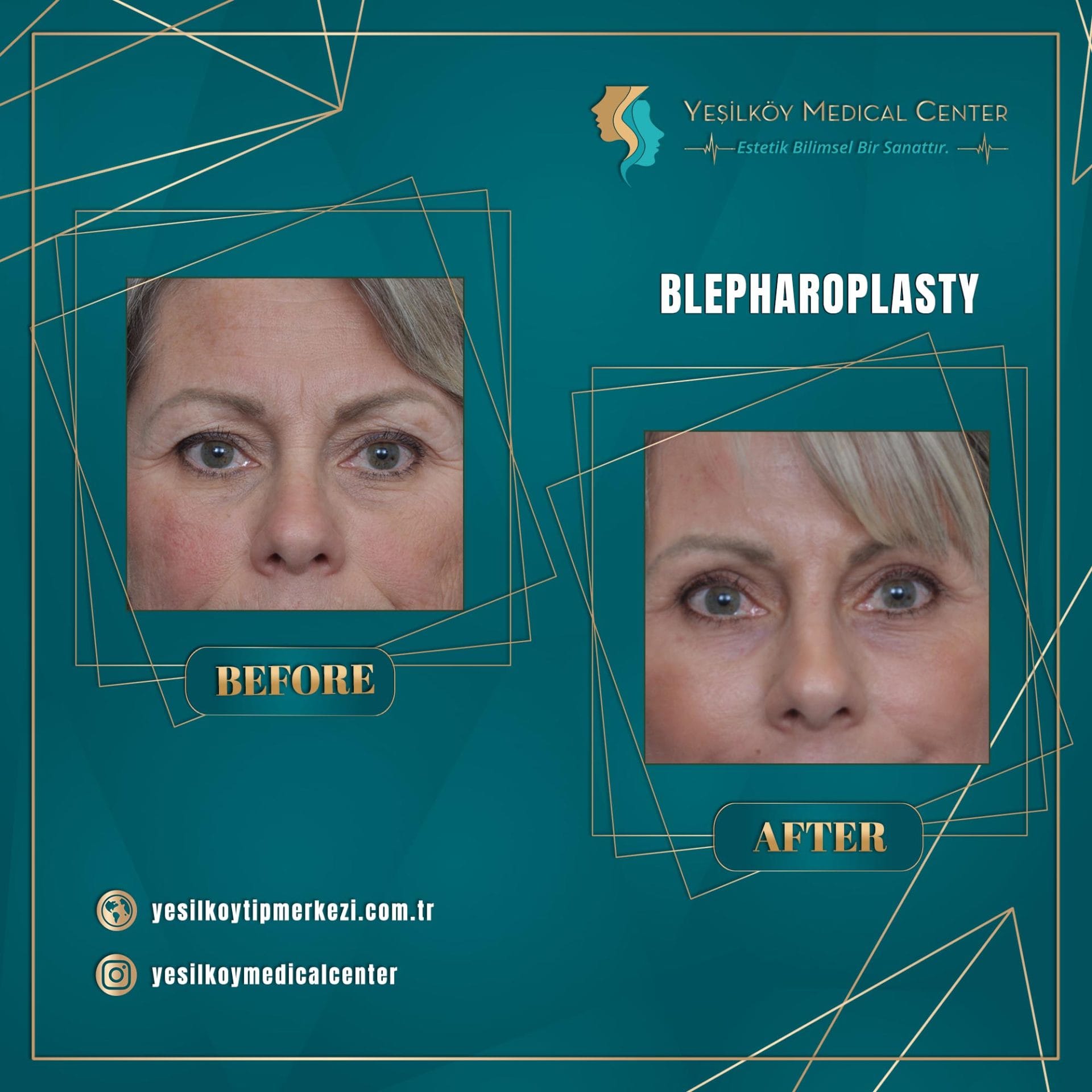
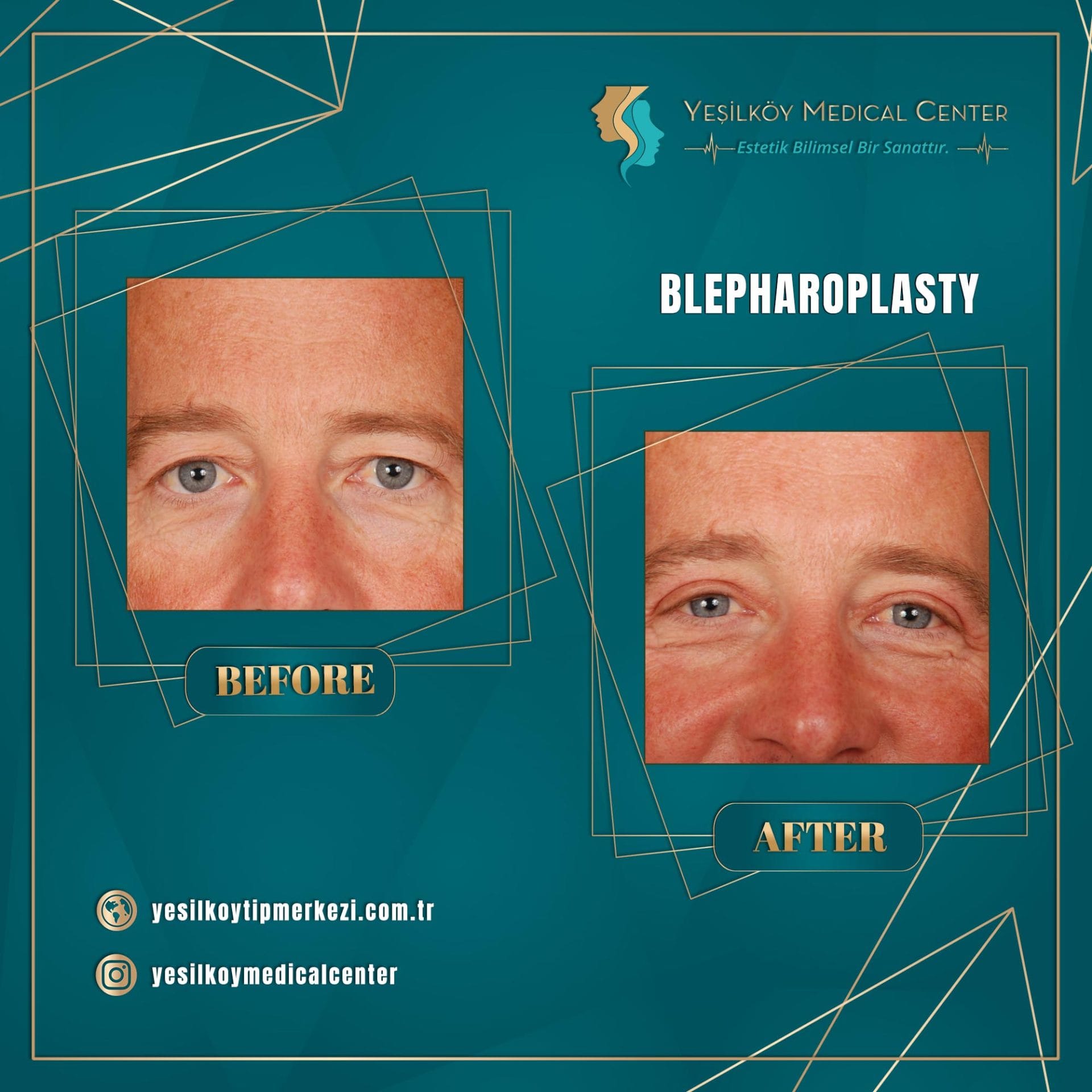
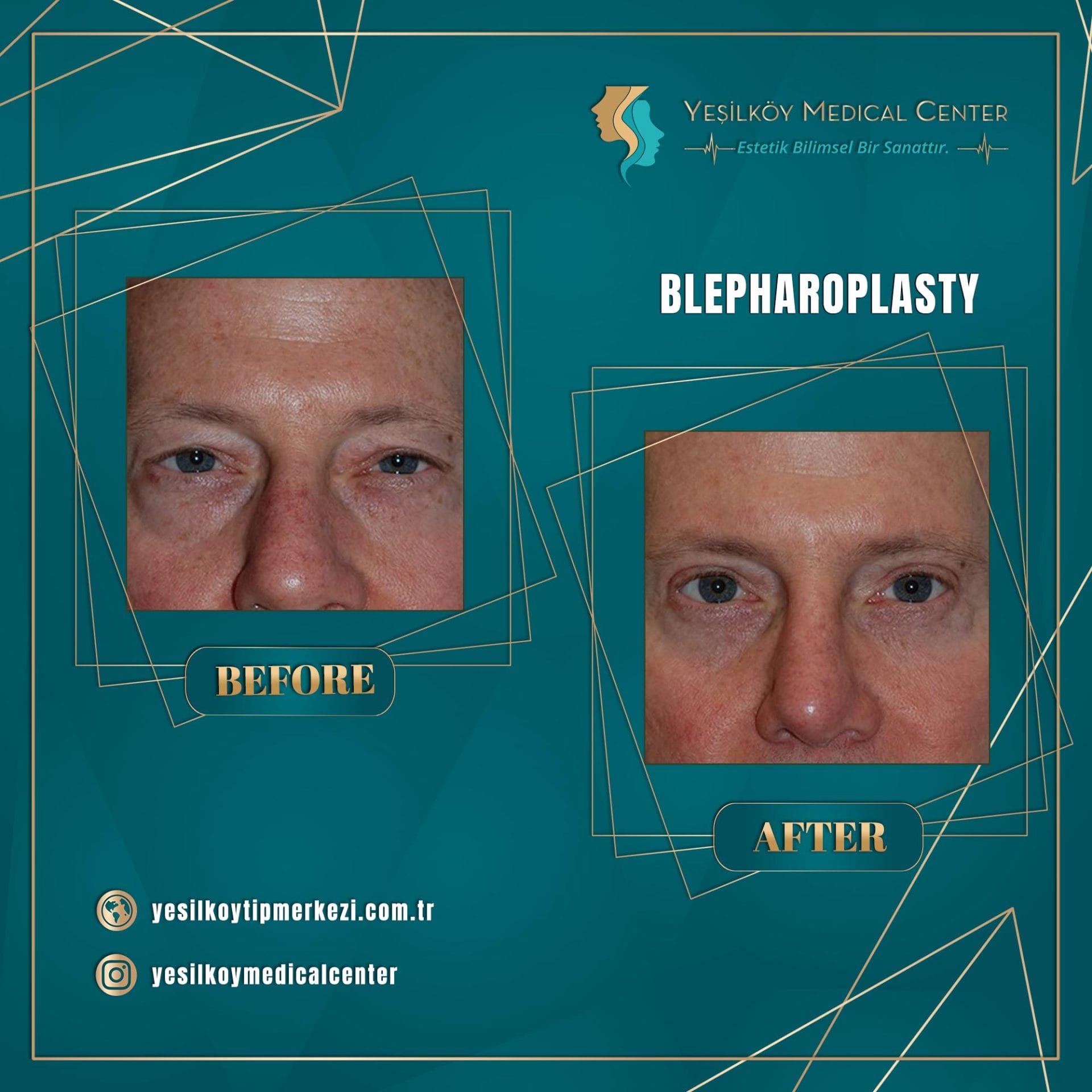
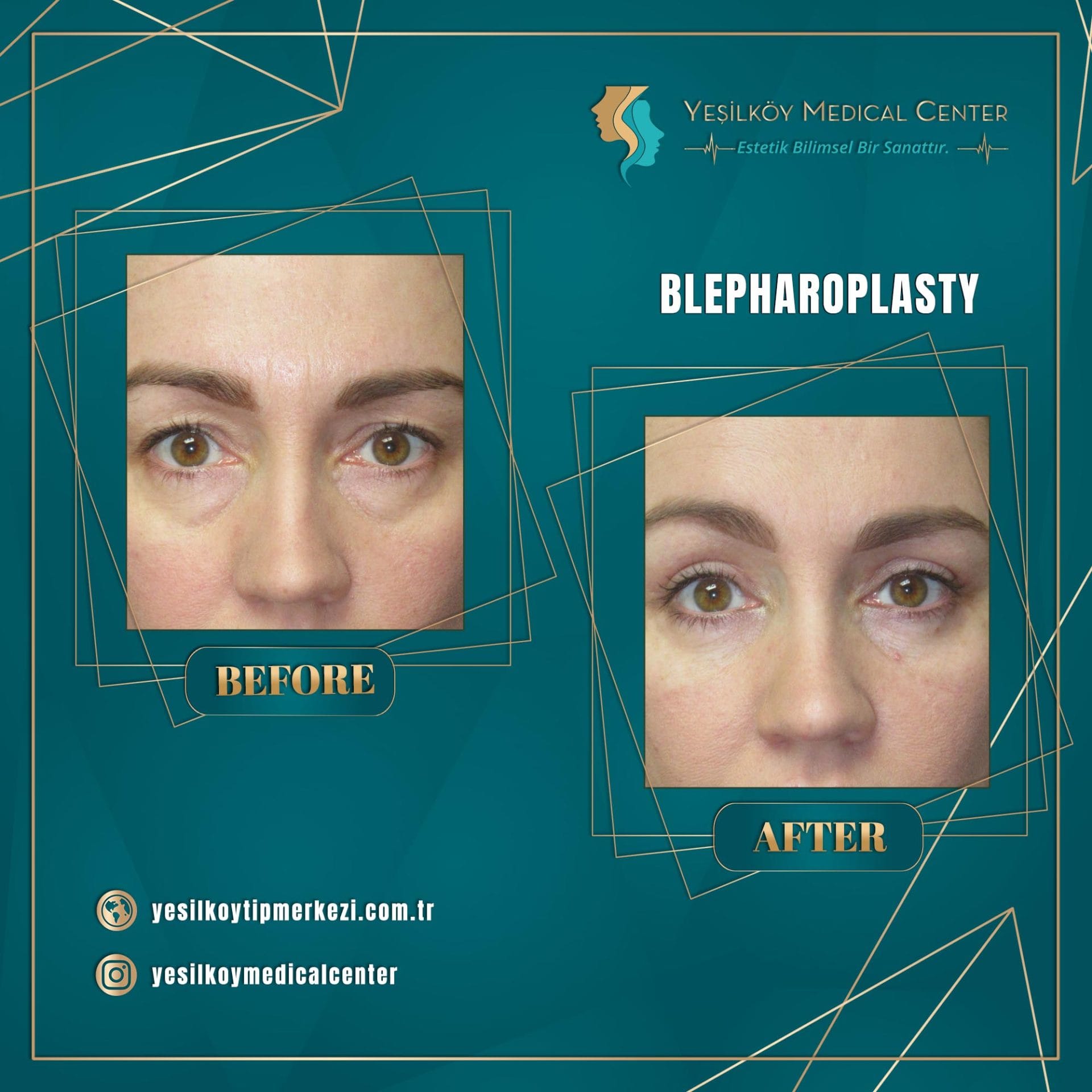
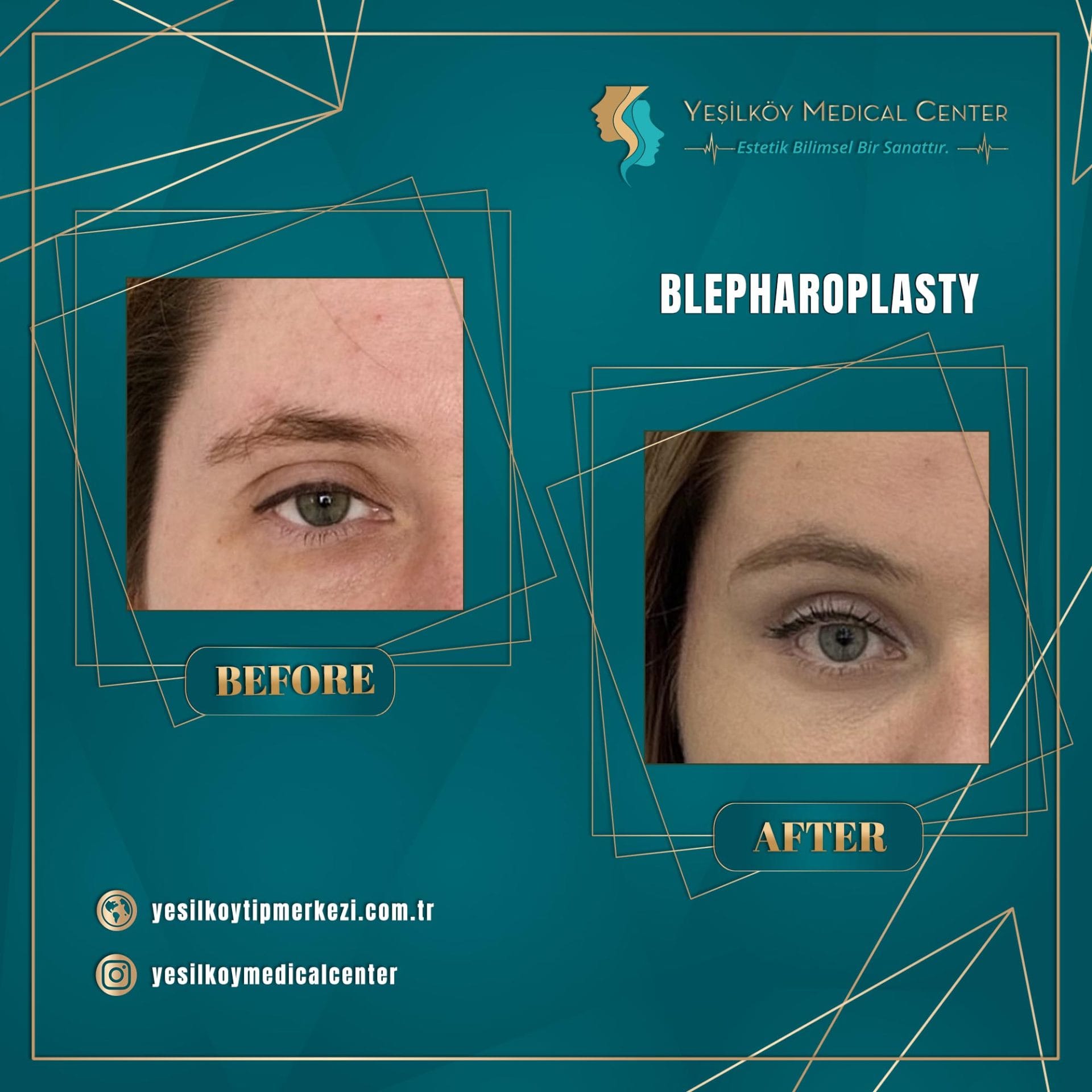
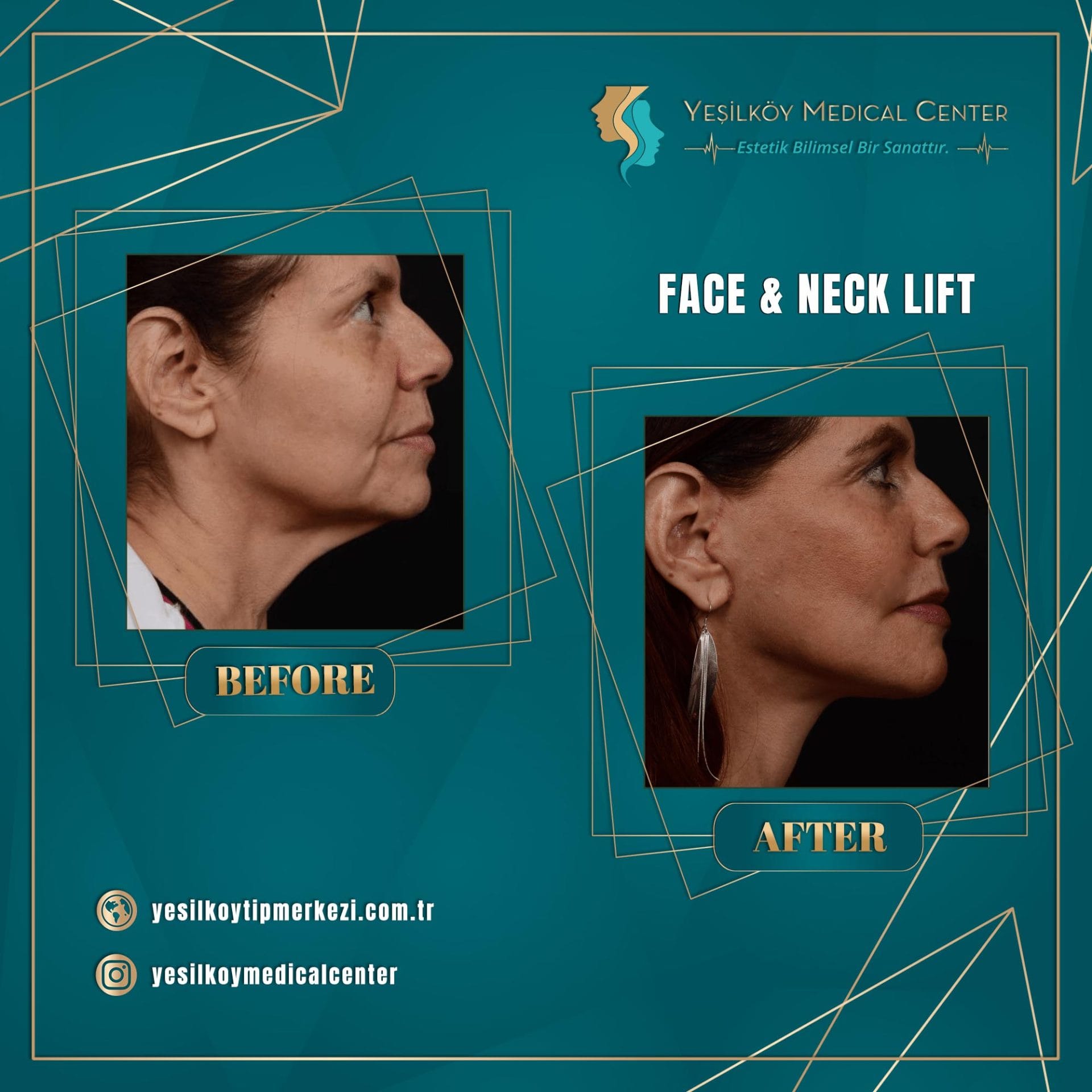
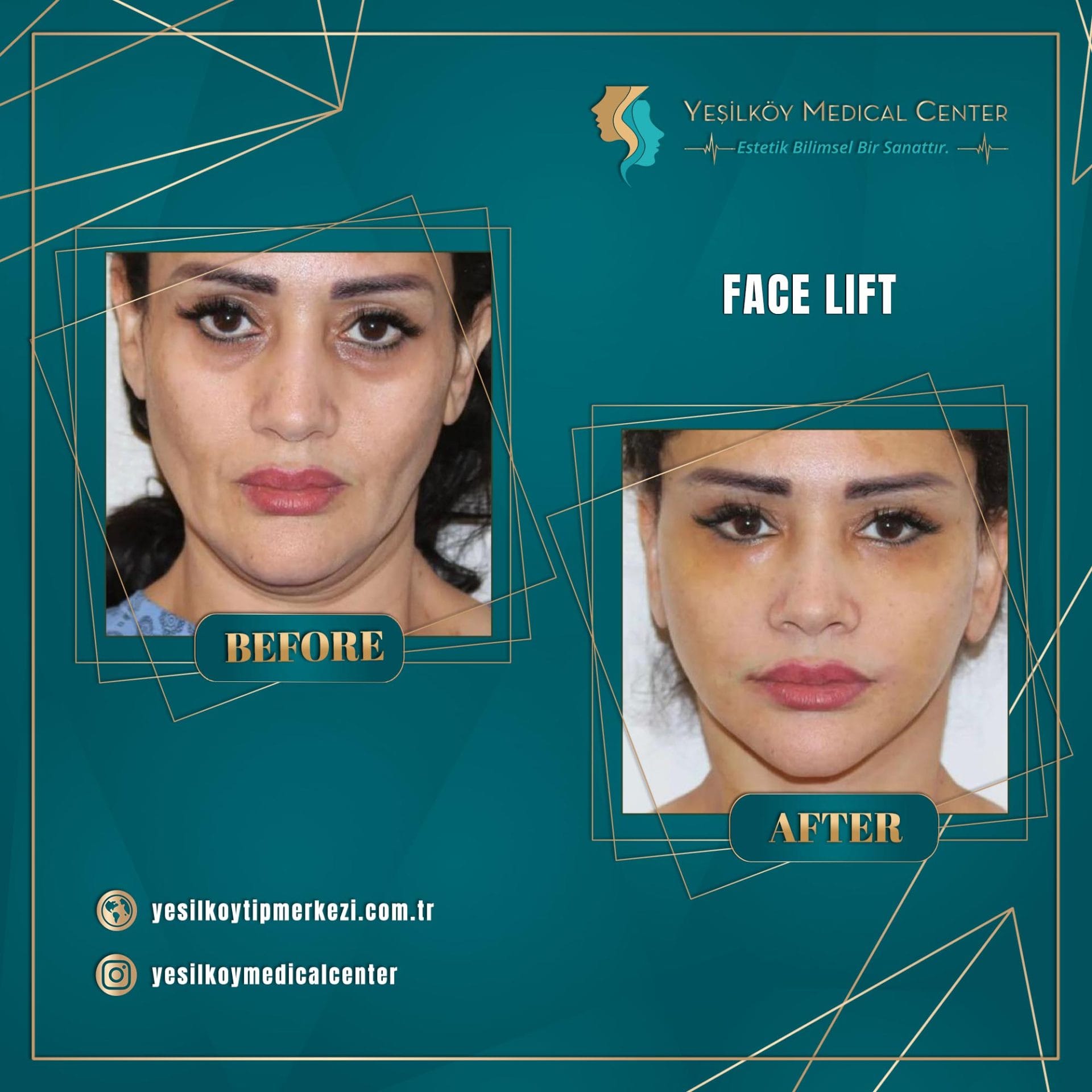
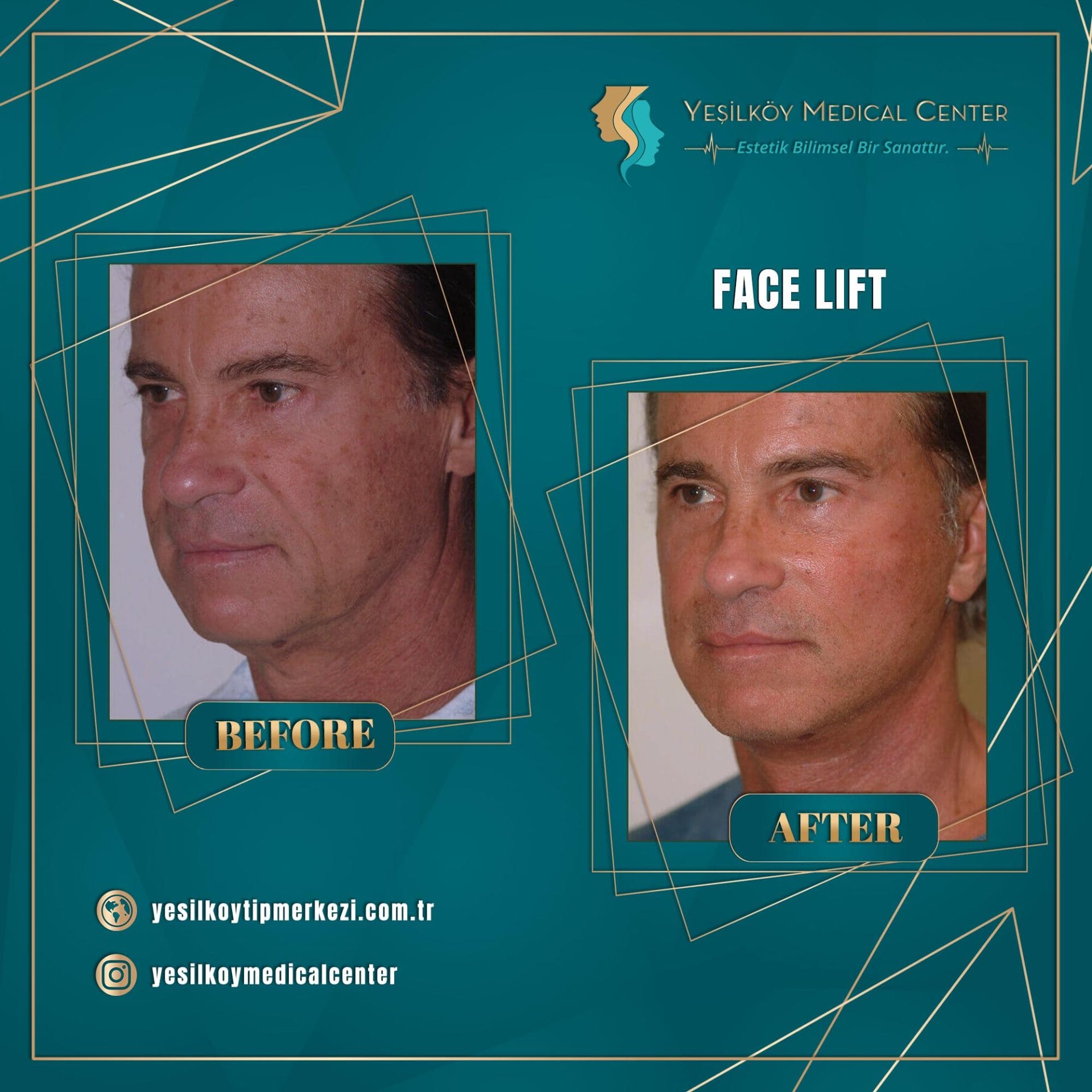
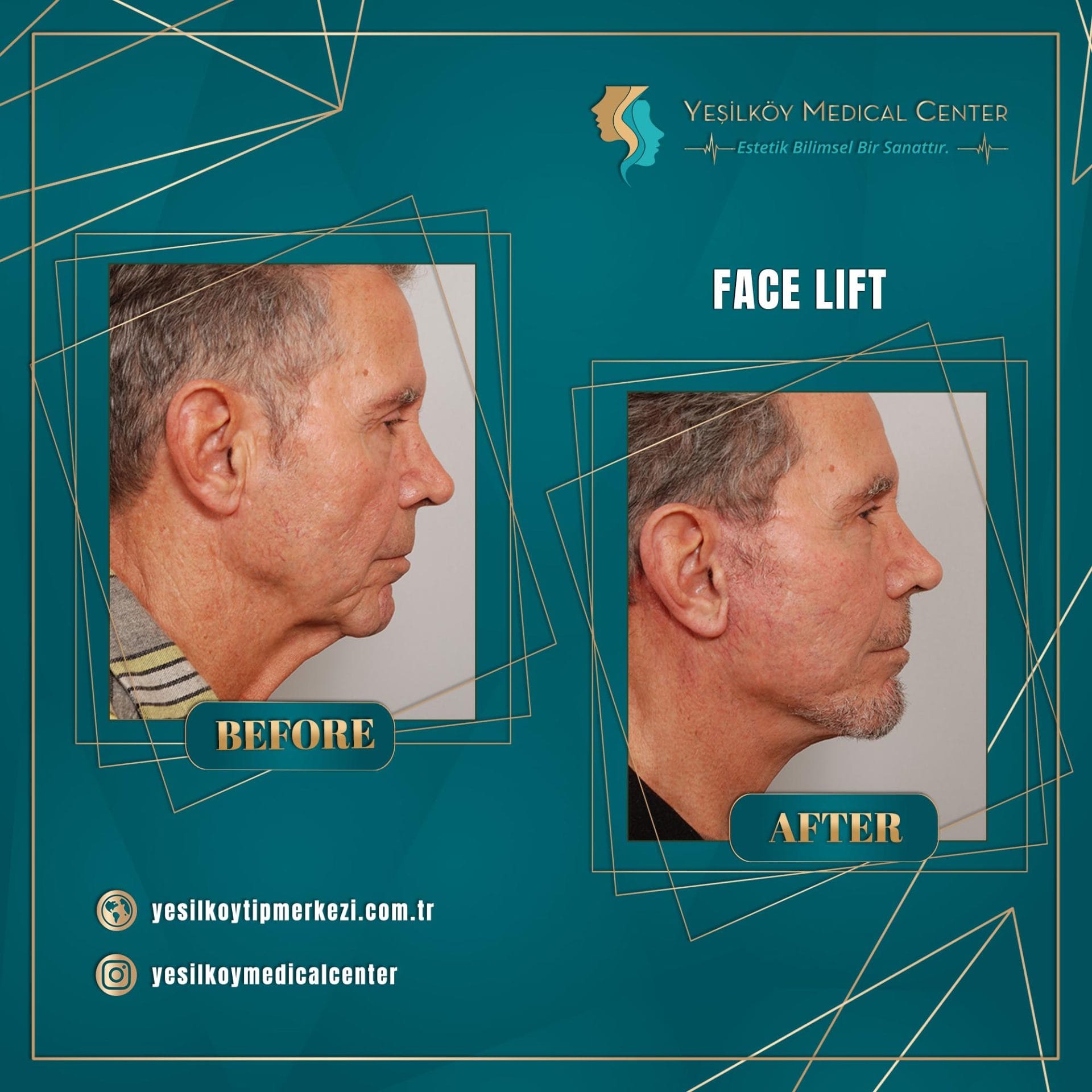
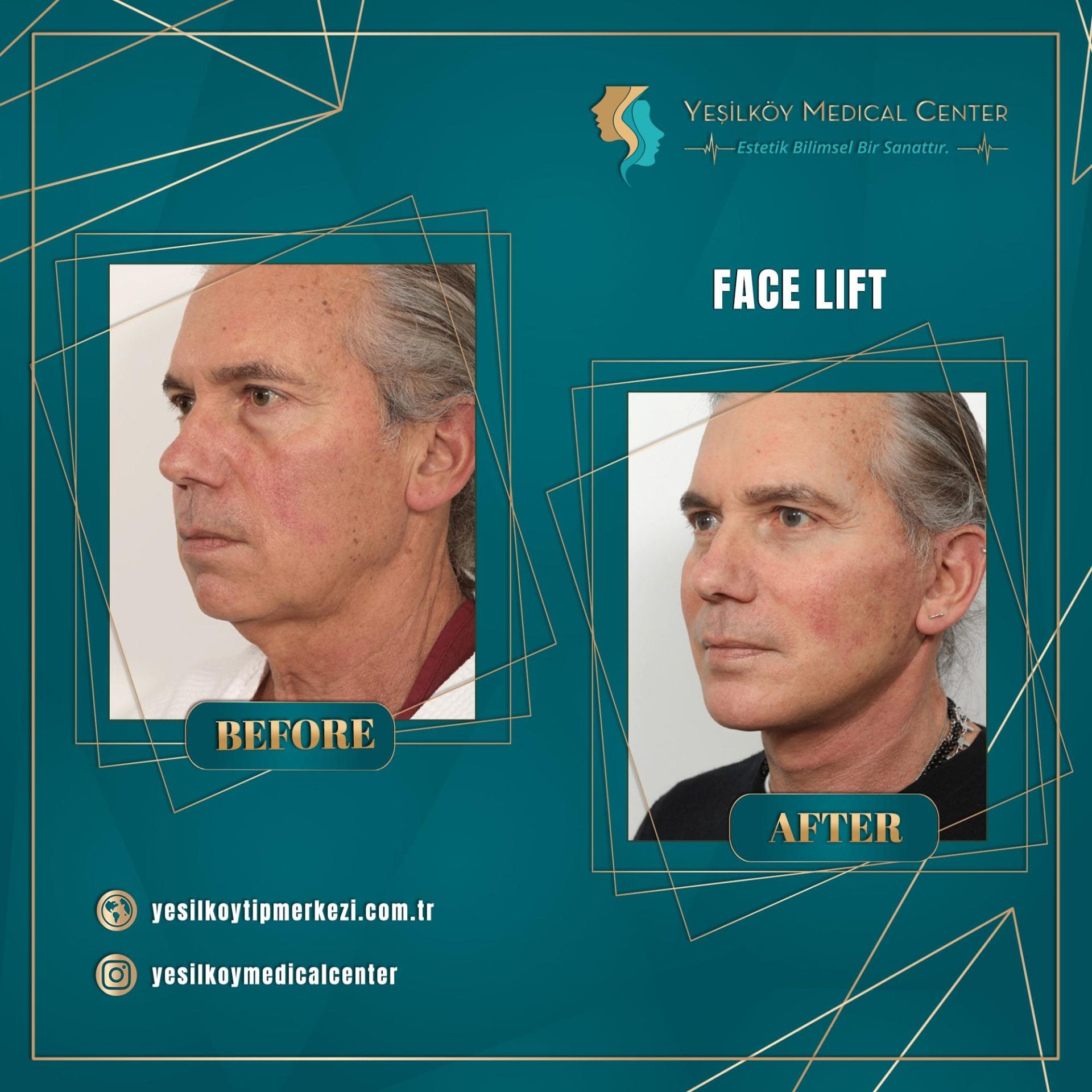
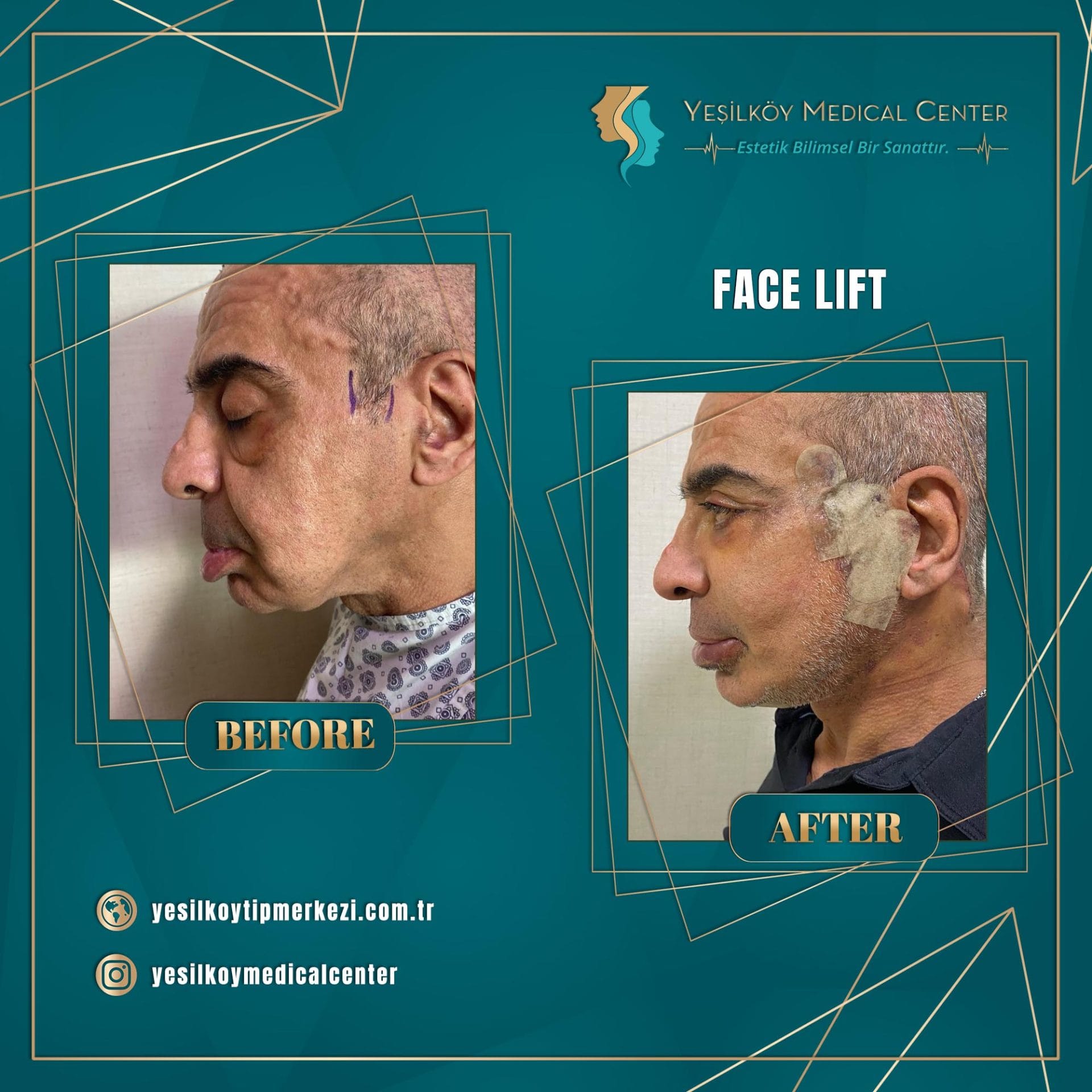
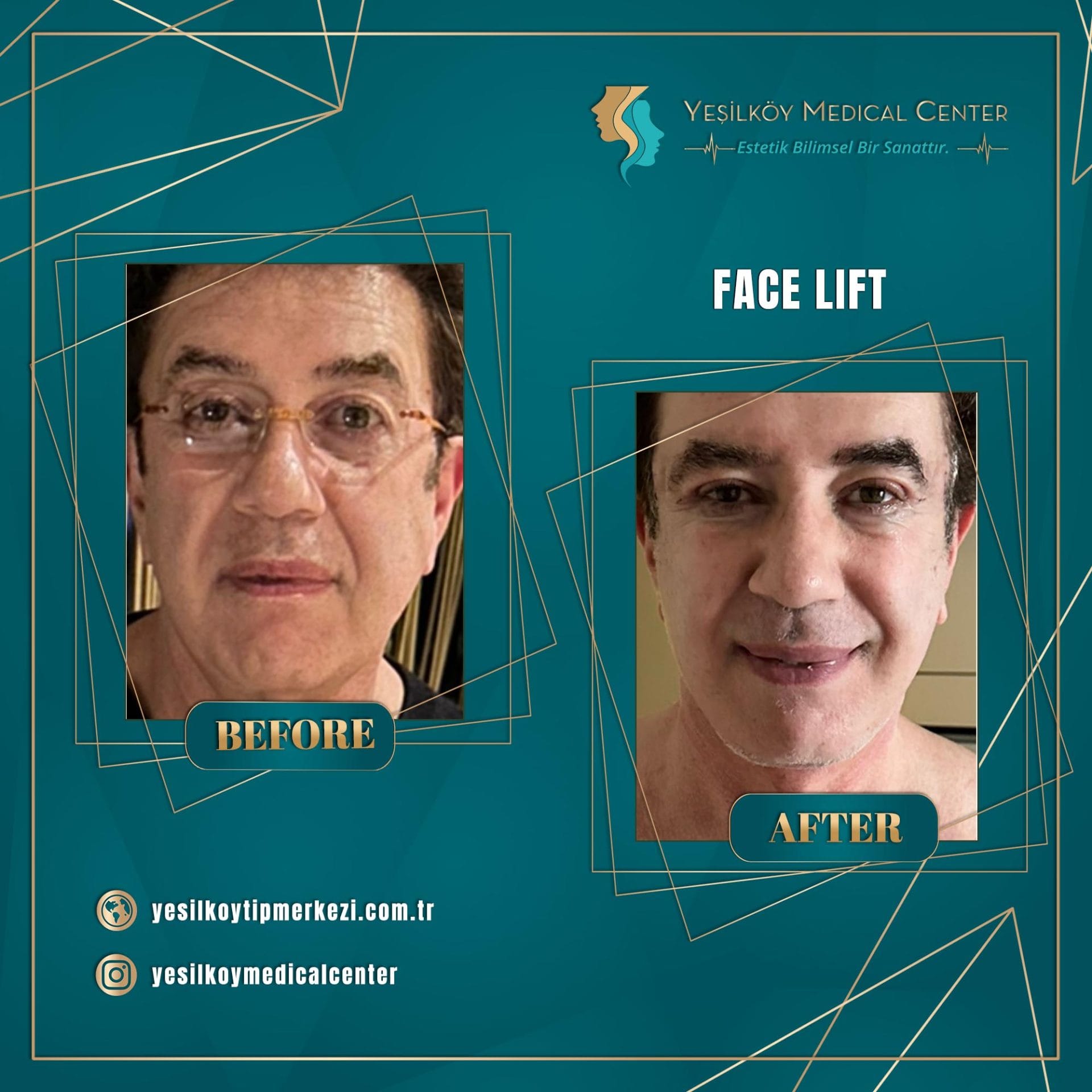
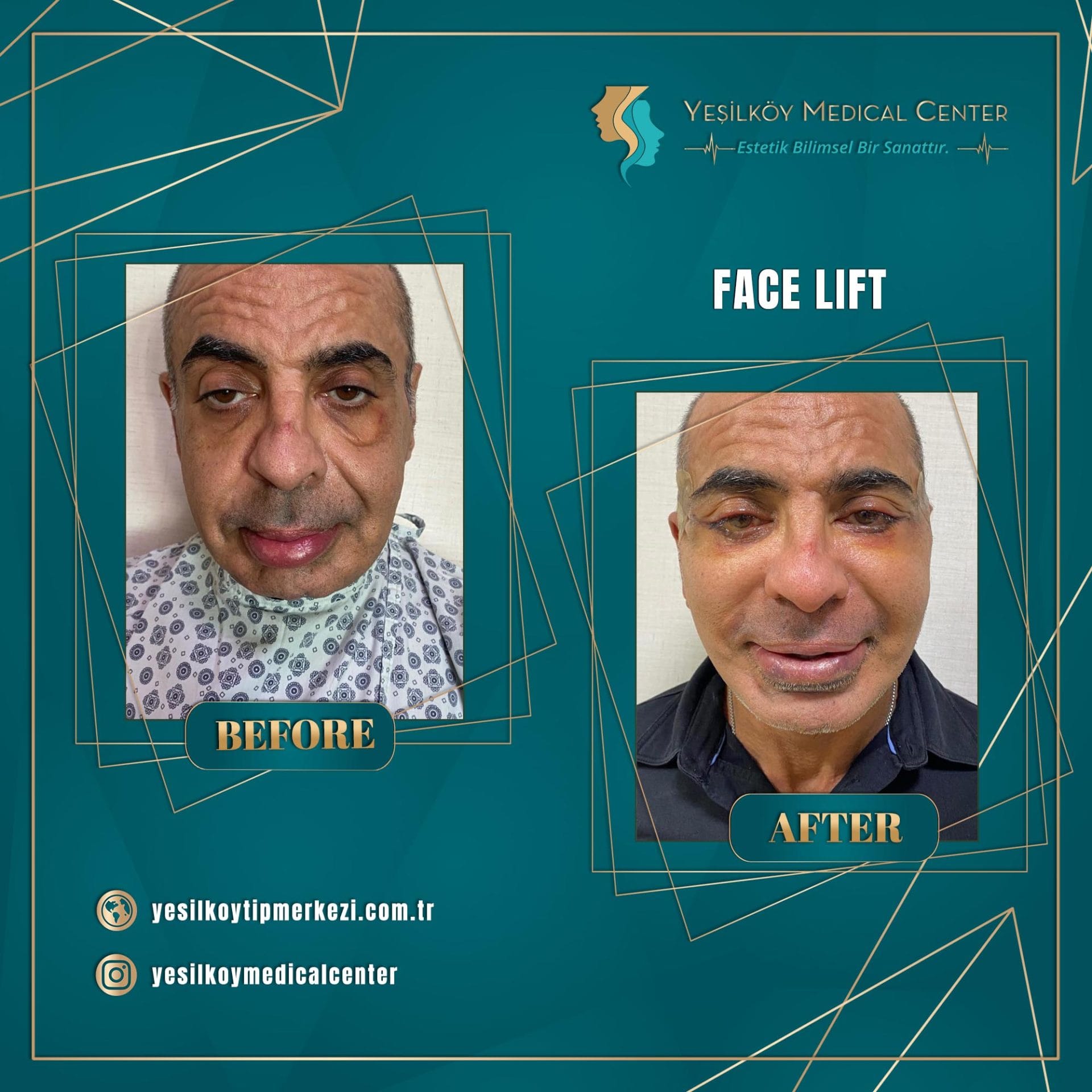
Informative image about eyelid aestheticsGeneral information about eyelid aesthetics has become increasingly popular among individuals who want to improve their appearance and reduce signs of aging around the eyes. Eyelid aesthetics, medically known as blepharoplasty, is a surgical procedure aimed at correcting excess skin, sagging, and under-eye bags that develop over time in the upper and lower eyelids.
The eye area is one of the most noticeable parts of the face, and changes in this region can make a person look tired, older, or even sad. Factors such as aging, genetics, lifestyle, sun exposure, and irregular sleep patterns can directly affect the eyelids. In some cases, excess skin on the upper eyelid may even restrict the field of vision. Therefore, general information about eyelid aesthetics is important not only for cosmetic reasons but also for functional improvement.
What is Eyelid Aesthetics?
Eyelid aesthetics is a surgical procedure designed to remove excess skin, tighten weakened muscles, and reposition or remove fat deposits in the upper and lower eyelids. This helps the eye area appear more youthful, refreshed, and vibrant.
Since the skin around the eyes is thin and frequently used during facial expressions, it is one of the first areas to show signs of aging. When reviewing general information about eyelid aesthetics, it becomes clear that the procedure is customized for each patient. Some individuals may primarily need upper eyelid correction, while others may require treatment for under-eye bags and wrinkles.
The goal is not to create an artificial look but to achieve a natural and balanced facial expression.
When is Eyelid Aesthetics Preferred?
Eyelid aesthetics is commonly preferred in cases of upper eyelid sagging, excess skin, under-eye puffiness, and a tired or aged facial expression. Some individuals experience difficulty applying makeup due to excess skin, while others feel uncomfortable with their appearance.
In advanced cases, sagging upper eyelids can partially limit vision. In such situations, general information about eyelid aesthetics highlights both aesthetic and functional benefits. Patients can achieve a more open field of vision along with a refreshed appearance.
Who is Suitable for the Procedure?
Eyelid aesthetics is suitable for individuals in good general health who are bothered by sagging or puffiness around the eyes. Although it is more common among middle-aged and older individuals, it can also be performed at younger ages due to genetic factors.
A detailed medical evaluation is necessary before the procedure. Conditions such as dry eyes, glaucoma, thyroid disorders, and overall health status should be carefully reviewed. Therefore, general information about eyelid aesthetics emphasizes the importance of proper patient selection and personalized planning.
How Does the Procedure Work?
Eyelid surgery is usually performed under local anesthesia, sometimes with sedation. The duration depends on the extent of the procedure. For upper eyelid surgery, incisions are made along the natural eyelid crease, making scars less visible.
For lower eyelids, the approach may be through the lash line or inside the eyelid, depending on the condition. Excess skin is removed, muscles are tightened if needed, and fat deposits are repositioned or reduced. The goal is to create a natural, symmetrical, and refreshed appearance.
According to general information about eyelid aesthetics, precise surgical planning is essential for achieving optimal results.
What is the Recovery Process Like?
After the procedure, mild swelling, bruising, and tightness may occur. These effects are temporary and usually improve within a few days to weeks. Applying cold compresses, resting, and following medical advice can enhance comfort during recovery.
Most patients can return to daily activities in a short time. The healing speed varies from person to person, and scars tend to fade over time due to the delicate skin in the eye area. When considering general information about eyelid aesthetics, it is important to remember that final results take time to fully appear.
Advantages of Eyelid Aesthetics
This procedure can significantly improve facial appearance by creating a more youthful and energetic look. Removing sagging skin from the upper eyelids makes the eyes appear more open, while treating under-eye bags results in a more rested expression.
Additionally, reducing excess skin that limits vision can improve daily comfort. Therefore, general information about eyelid aesthetics includes both aesthetic and functional benefits.
Risks and Considerations
Like any surgical procedure, eyelid aesthetics carries some risks. These may include infection, temporary dryness, asymmetry, or prolonged swelling. However, these risks are minimized when the procedure is performed by an experienced specialist.
Following medical advice before and after surgery is crucial. Patients should also have realistic expectations. According to general information about eyelid aesthetics, the goal is to enhance natural beauty rather than drastically change facial features.
Are the Results Permanent?
The results of eyelid aesthetics are long-lasting, but the natural aging process continues. A well-performed procedure can help maintain a youthful appearance for many years.
Factors such as skin quality, genetics, and lifestyle influence the longevity of results. Healthy habits, proper skincare, and sun protection can help preserve the outcome. Therefore, general information about eyelid aesthetics should be considered as part of a comprehensive approach to long-term care.
In conclusion, general information about eyelid aesthetics shows that this procedure is beneficial not only for improving appearance but also for addressing functional issues caused by eyelid sagging.
With proper patient selection, personalized planning, and careful recovery, eyelid aesthetics can provide natural, balanced, and rejuvenated results. Since the eye area plays a key role in facial expression, even small improvements can make a significant difference.
Use this calculator to check your body mass index (BMI).
Unit type
Height
cm.
Please enter value between 125 and 225.
Weight
kg.
Please enter value between 10.0 and 500.0 ( one decimal ).
Height
ft.
in.
Please enter value between 4.2 and 7.3
Weight
lb.
st.
Please enter value between 22.0 and 1000.0 ( one decimal ).
Calculate BMI
Use this calculator to check your body mass index (BMI), which can be a helpful tool in determining your weight category. Or, use it to calculate your child’s BMI.
Your Body Mass Index (BMI) is
Based on your input, your BMI is in the category
You
Underweight
Healthy
Overweight
Obese
For your height, a healthy weight would be between kilograms
For your height, a healthy weight would be between lb.