

General Information About the FUE Technique
Hair loss is a common aesthetic concern affecting both men and women today.
Genetic factors, hormonal changes, stress, aging, and certain medical conditions
can cause hair to gradually thin or fall out completely. For individuals experiencing
hair loss, one of the most effective and permanent solutions is
hair transplantation.
Among the available techniques, the FUE technique is one of the most
widely preferred hair transplant methods today. Due to its minimally invasive
nature, faster recovery time, and natural-looking results, FUE hair transplantation
is widely performed around the world.
What Is the FUE Technique?
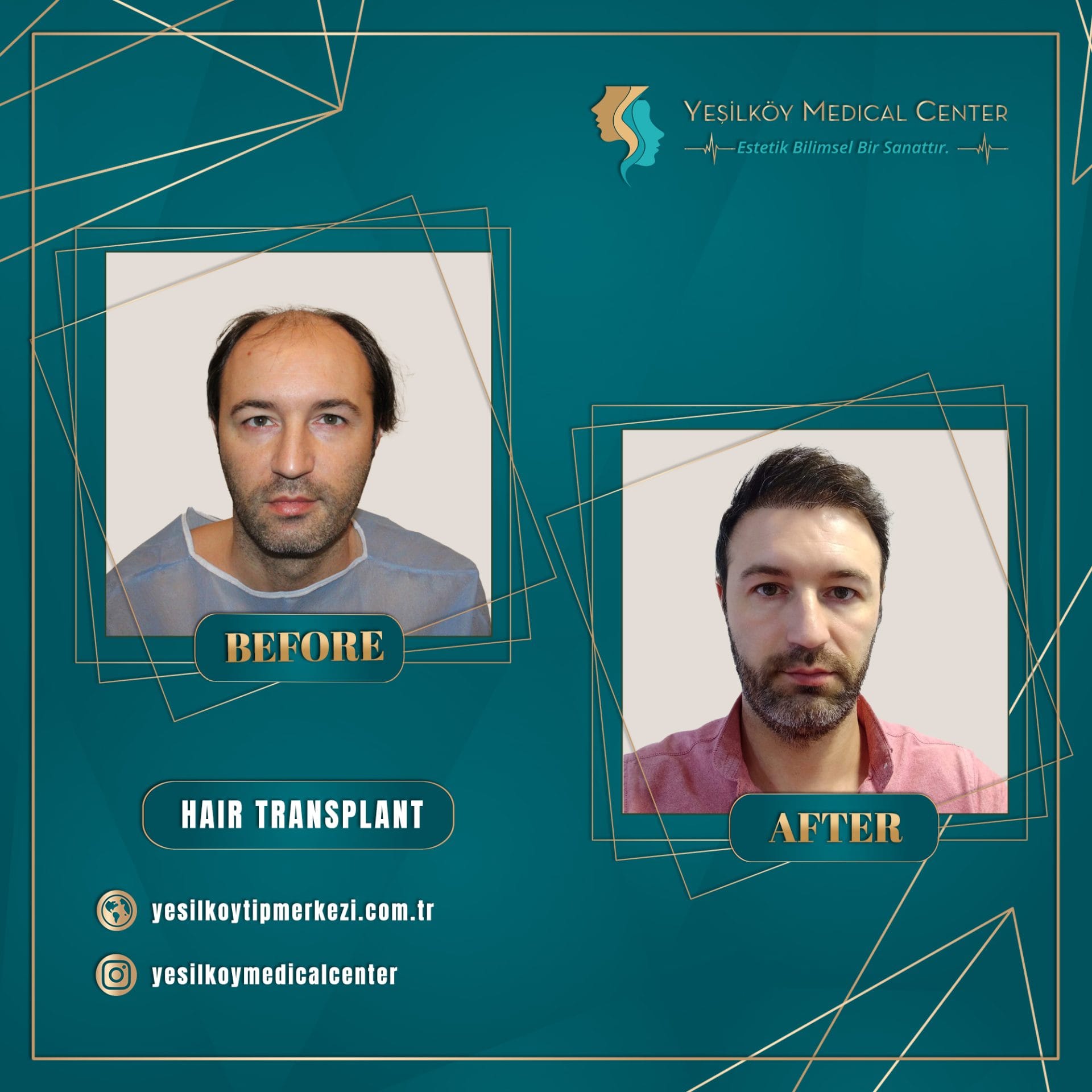
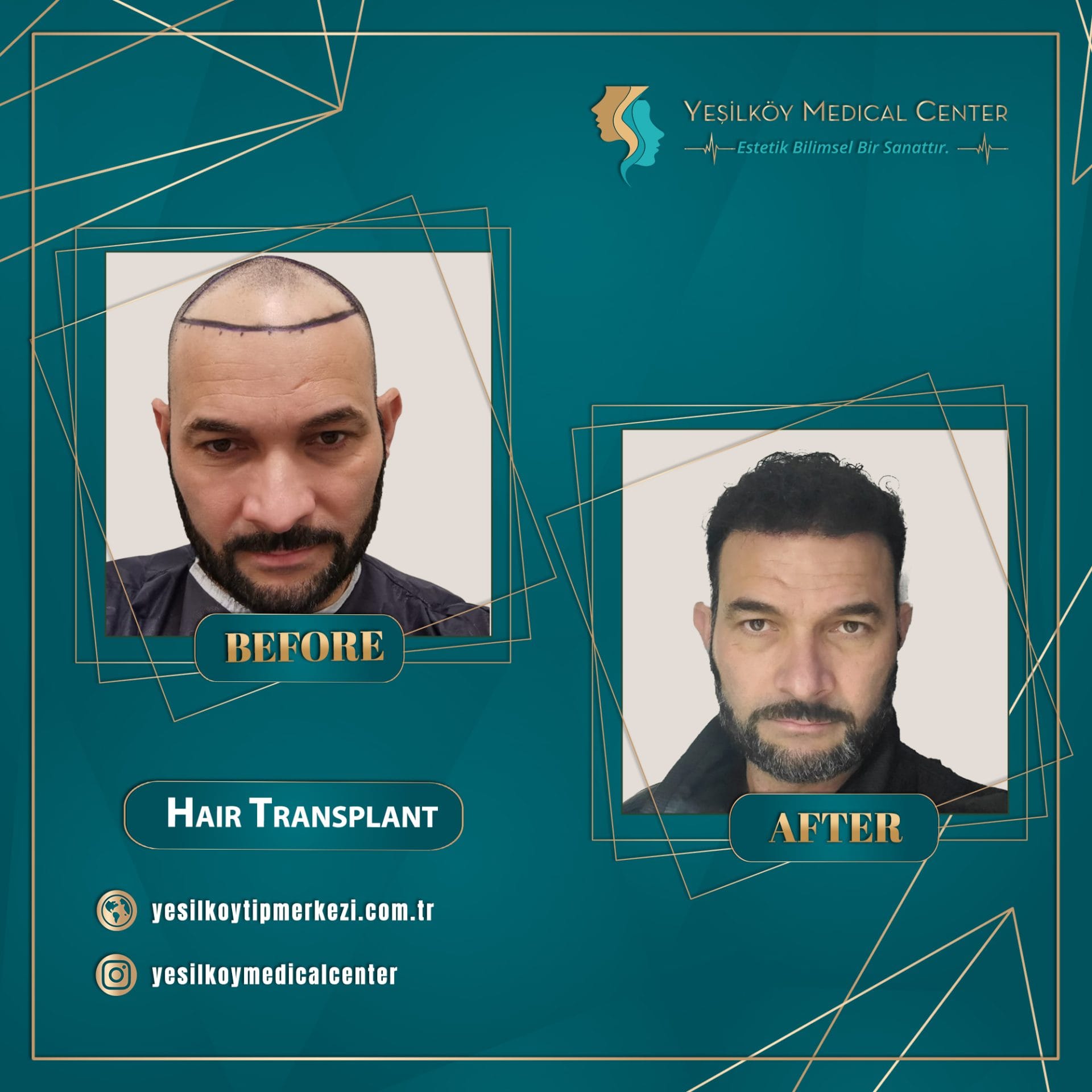
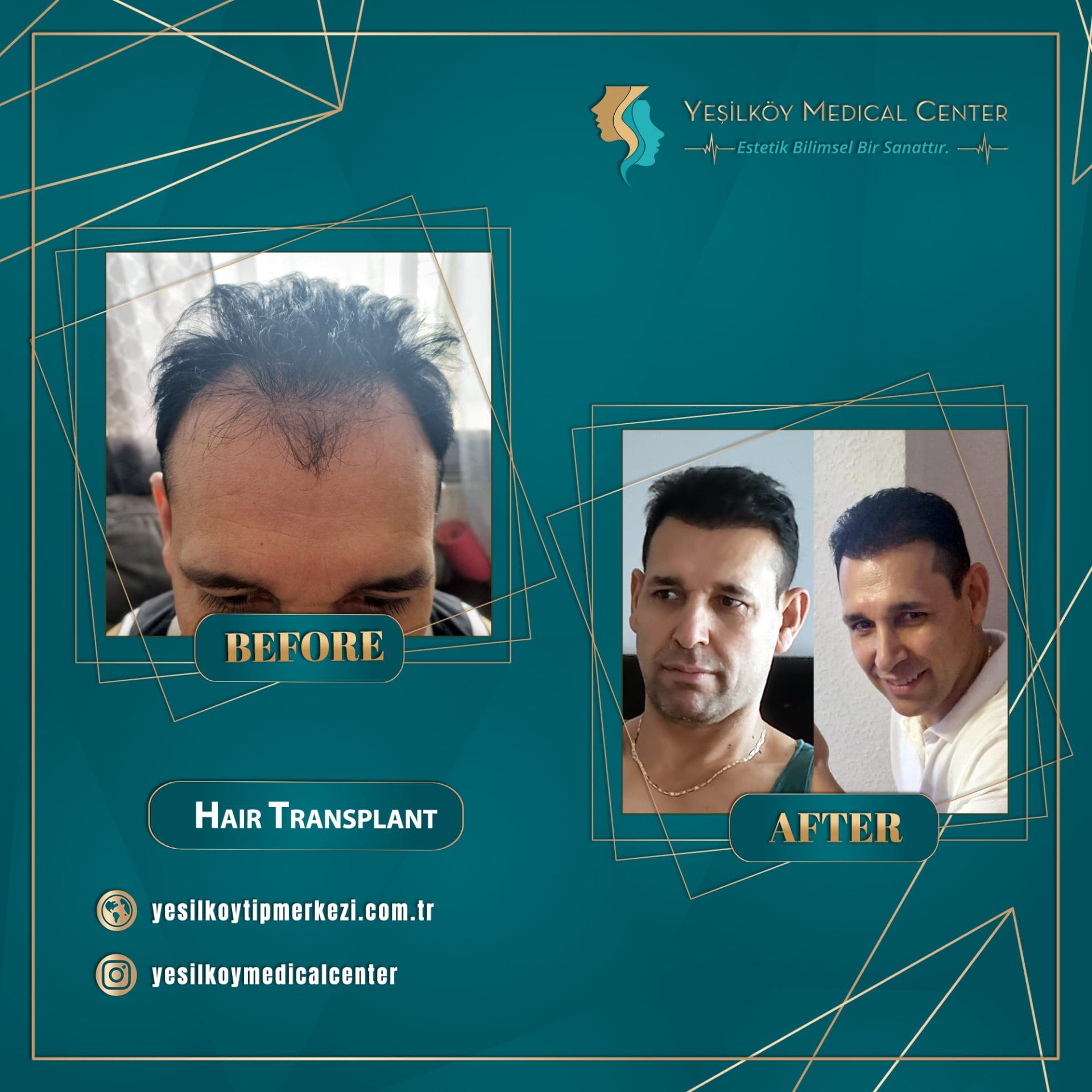
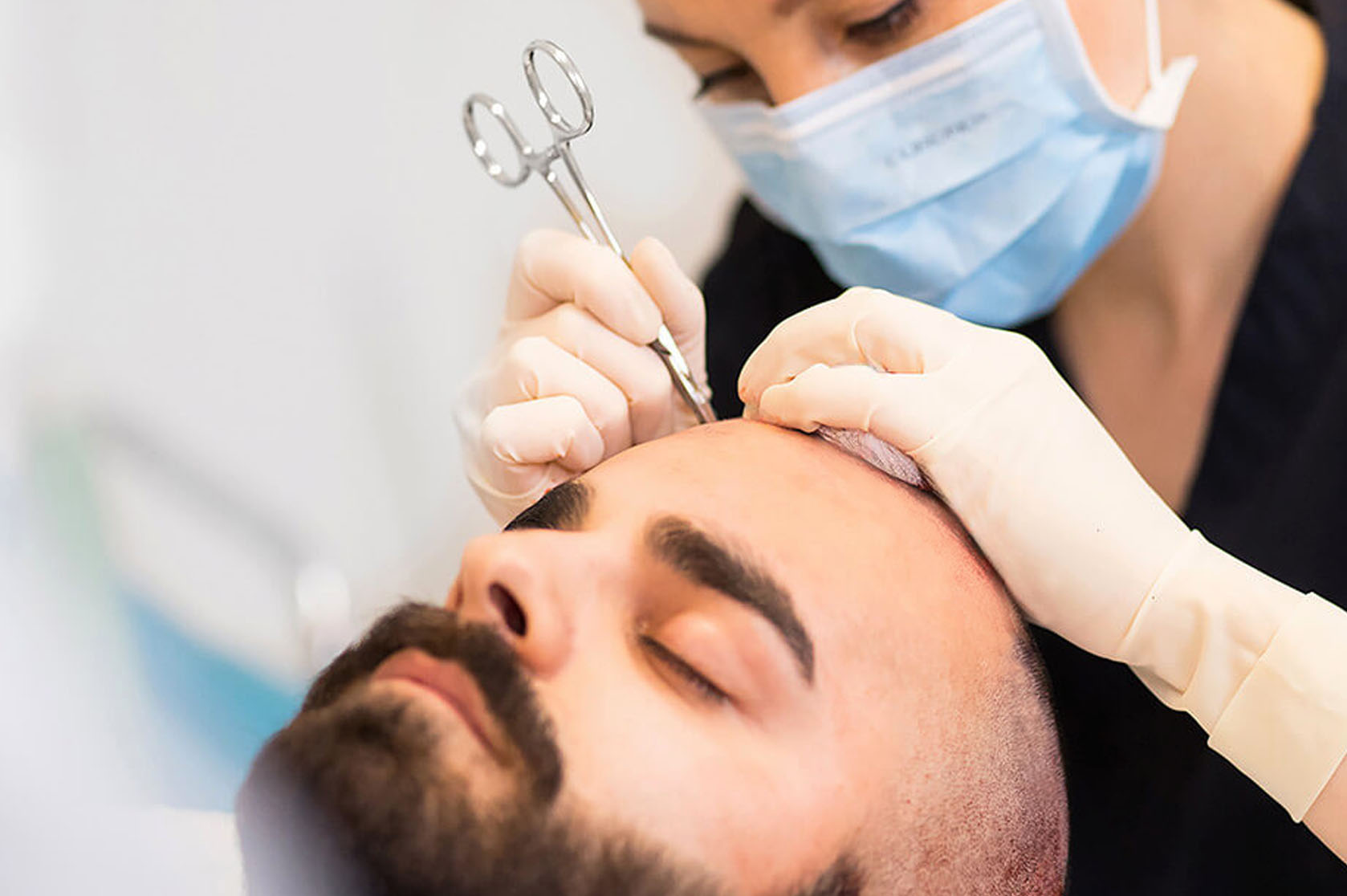
FUE (Follicular Unit Extraction) is a modern hair transplant method
in which individual hair follicles are extracted from a donor area and transplanted
into areas with hair loss or thinning hair. The donor area is usually the back of
the head because hair follicles in this region are genetically more resistant to hair loss.
With the FUE technique, hair follicles are removed using micro-surgical tools and
placed into the recipient area following the natural direction and angle of hair growth.
This allows the final result to appear natural and aesthetically pleasing.
How Is FUE Hair Transplant Performed?
The FUE hair transplant procedure typically consists of several stages.
First, the patient’s hair structure and degree of hair loss are carefully analyzed.
The number of hair follicles that can be safely extracted from the donor area
is then determined.
During the procedure, local anesthesia is applied to ensure patient comfort.
Hair follicles are then individually extracted using special micro-motor
or manual punch devices.
After collection, the hair follicles are transplanted into the recipient area
according to the natural hair growth angle and direction. This stage is extremely
important for achieving natural-looking results after the hair transplant procedure.
Advantages of the FUE Technique
The popularity of the FUE hair transplant technique has increased significantly
in recent years because of the many advantages it offers.
Some of the main benefits include:
- Minimally invasive procedure
- Low risk of visible scarring in the donor area
- Faster healing process
- Natural-looking hair results
- Suitable for larger transplant areas
- Allows a natural hairline design
Who Is Suitable for the FUE Technique?
The FUE hair transplant method may be suitable for individuals who:
- Experience male pattern hair loss
- Have visible hair thinning
- Have sufficient hair density in the donor area
- Are in generally good health
However, hair transplantation should always be planned individually.
For this reason, patients should undergo a professional medical
evaluation before deciding on the procedure.
Recovery Process After FUE Hair Transplant
After the FUE hair transplant procedure, the healing process begins.
In the first few days, mild redness and small scabs may appear
in the treated area. This is completely normal and usually decreases
within a few days.
During the first 7–10 days, it is important to protect the scalp
and follow the washing and care instructions recommended by the doctor.
Some patients may also experience a temporary stage known as
shock hair loss.
During this stage, the transplanted hair shafts may fall out,
but the hair follicles remain under the skin. New hair growth
typically begins around the third month, and the final results
of the hair transplant are usually visible within 9–12 months.
Is FUE Hair Transplant Permanent?
Since the hair follicles used in the FUE technique are taken
from areas genetically resistant to hair loss, the results can
be long-lasting. However, natural hair loss may continue
in the existing hair around the transplanted area.
For this reason, long-term hair loss patterns should also be
considered during the planning stage of hair transplantation.
More Information
For more detailed information about hair transplantation,
you can visit our
hair transplant page
.
For scientific information about hair loss, you may also visit
American Academy of Dermatology
.