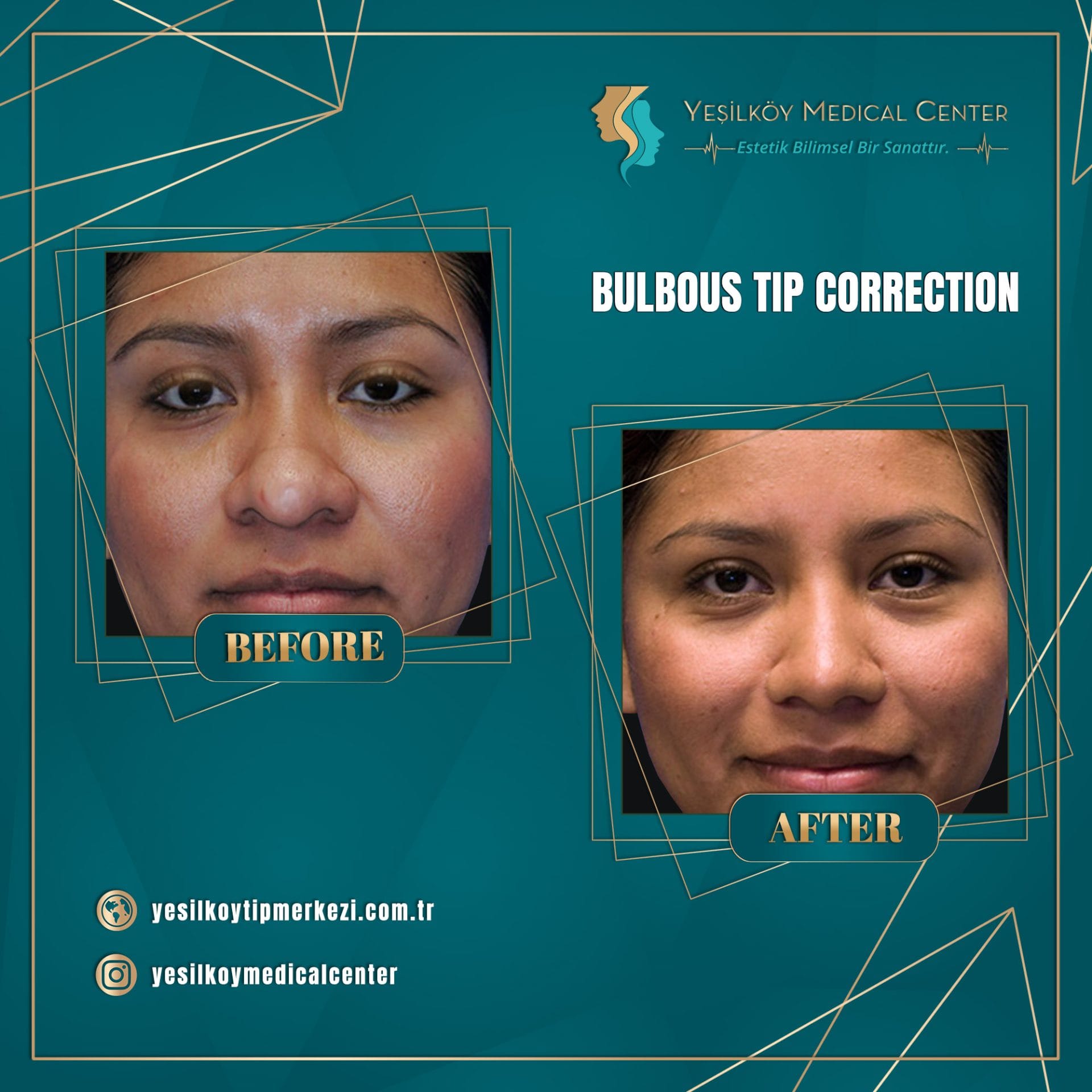
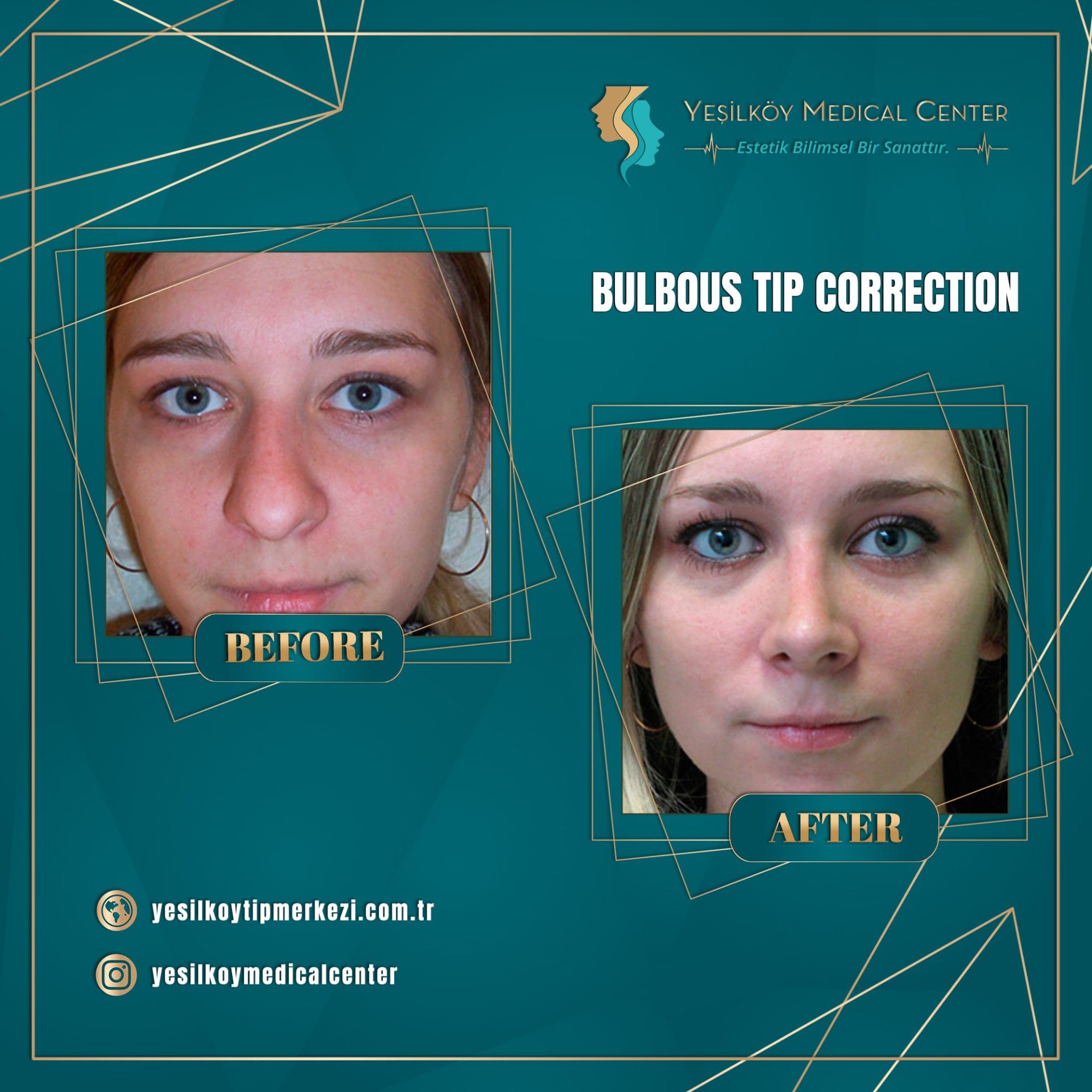
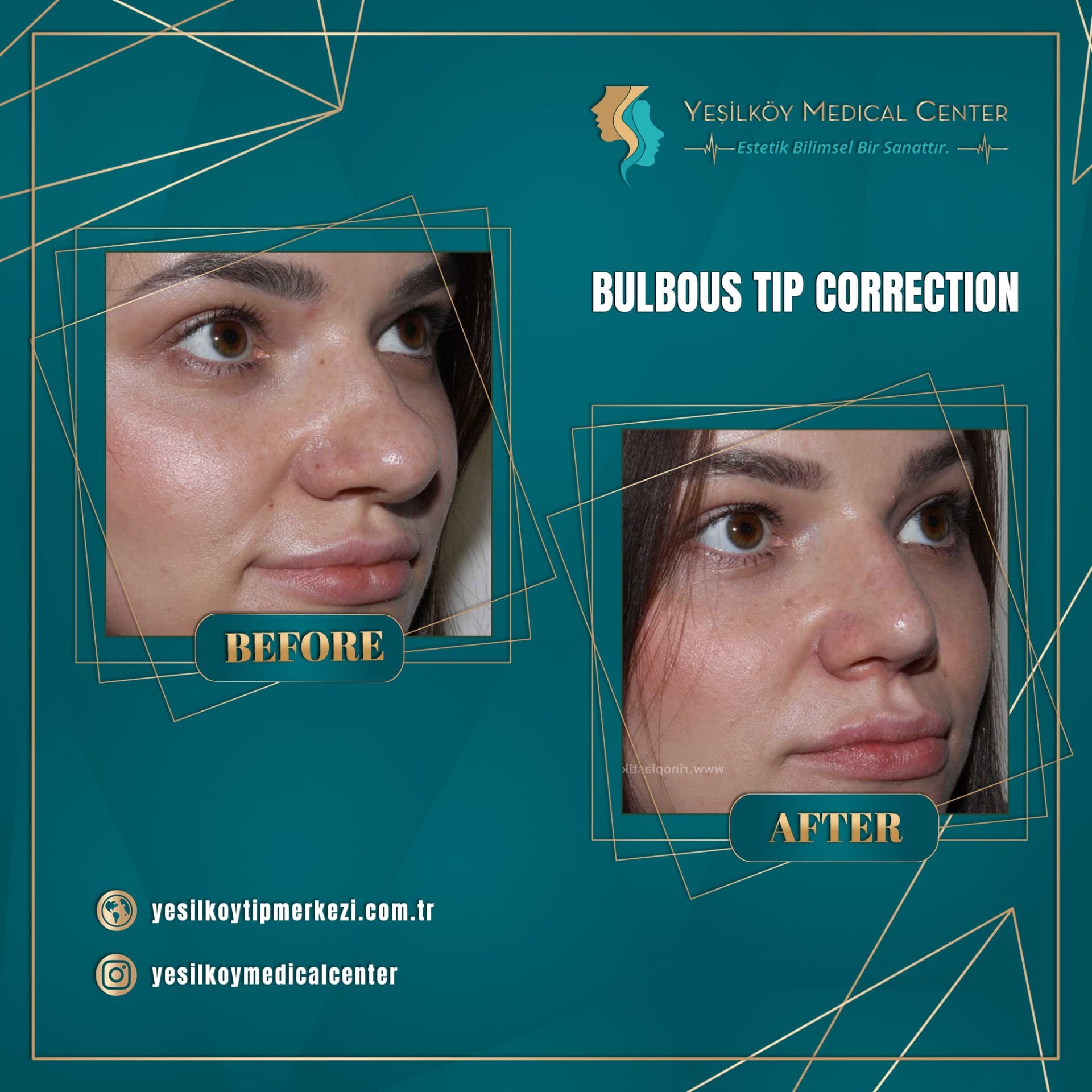
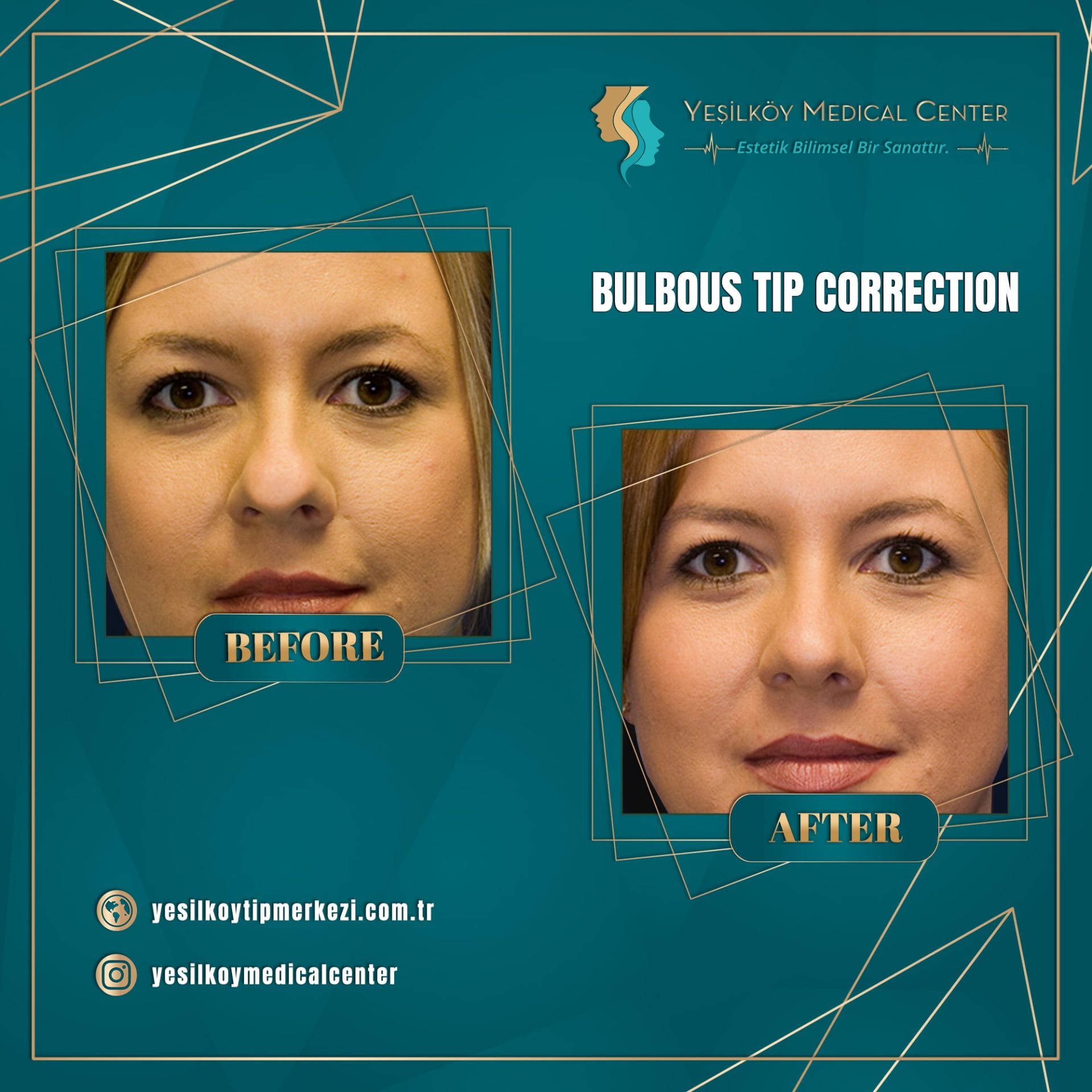
Informative image about how the rhinoplasty process progressesHow does the rhinoplasty process progress is one of the most frequently asked questions by individuals considering nose surgery. Rhinoplasty is not limited to the day of surgery alone. Instead, it is a multi-stage journey that includes consultation, planning, preparation, surgery, early recovery, and the final shaping of the nose. Understanding this entire process helps patients develop realistic expectations and feel more confident about their decision.
The nose plays a central role in both facial aesthetics and breathing function. Therefore, planning a rhinoplasty requires evaluating not only the external appearance but also the internal nasal structure, airflow, and facial proportions. In this context, how does the rhinoplasty process progress can be described as a personalized journey shaped by careful analysis, surgical precision, and a patient recovery period.
Initial Consultation and Evaluation
The rhinoplasty process begins with a detailed consultation. During this stage, the patient’s expectations, breathing issues, previous injuries, and medical history are carefully evaluated. The surgeon examines skin thickness, cartilage structure, bone anatomy, and the relationship between the nose and facial features.
This first step is crucial because it determines the direction of the entire process. Patients should clearly express their expectations, while the surgeon explains what is realistically achievable. Since every face and nose is unique, results must be personalized. Therefore, the answer to how does the rhinoplasty process progress starts with an individualized assessment and realistic planning.
Pre-Surgery Planning
After the consultation, a detailed surgical plan is created. Some patients seek purely aesthetic improvements, while others also require functional corrections such as improved breathing. The surgeon evaluates the nasal bridge, tip, nostrils, and septum to design the procedure.
During this stage, lifestyle factors such as smoking, medication use, and chronic conditions are also reviewed. Patients are informed about pre-operative instructions to ensure a smooth procedure. At this point, how does the rhinoplasty process progress becomes closely tied to proper preparation, which plays a significant role in the success of the surgery.
What Happens on the Day of Surgery?
Rhinoplasty is typically performed under general anesthesia and takes approximately 1 to 3 hours. The duration depends on the complexity of the case and the procedures required. The surgeon reshapes the bone and cartilage structures to achieve both aesthetic and functional improvements.
The operation can be performed using either open or closed techniques. In open rhinoplasty, a small incision is made between the nostrils, while in closed rhinoplasty all incisions are inside the nose. The choice depends on the patient’s needs. At this stage, how does the rhinoplasty process progress includes both cosmetic enhancement and functional correction in a single procedure.
Early Recovery Period
The first few days after rhinoplasty are considered the most sensitive phase of recovery. Patients may experience mild pain, swelling, nasal congestion, and bruising around the eyes. These effects are normal and temporary.
During this period, it is important to follow medical advice, keep the head elevated, and avoid any trauma to the nose. Nasal splints are usually removed within the first week, and many patients can return to social life shortly after. However, early recovery does not mean complete healing. Therefore, how does the rhinoplasty process progress involves understanding that full results take time.
When Does the Nose Take Its Final Shape?
The nose continues to heal gradually after surgery. While most swelling subsides within weeks, subtle swelling—especially at the nasal tip—may persist longer. Patients with thinner skin may see results sooner, while those with thicker skin may require more time.
Final results are typically visible within 6 to 12 months. This stage is often misunderstood, as patients may expect immediate results. However, how does the rhinoplasty process progress clearly shows that patience is essential for achieving the best outcome.
Post-Surgery Care and Precautions
After rhinoplasty, patients should avoid heavy physical activities, protect the nose from impact, and follow all medical recommendations. Sleeping position, avoiding pressure on the nose, and limiting sun exposure are also important factors during recovery.
Proper aftercare ensures that the newly shaped structures heal correctly. Therefore, how does the rhinoplasty process progress depends not only on surgical success but also on patient compliance during recovery.
Why Natural Results Matter
Modern rhinoplasty focuses on achieving natural-looking results rather than overly altered appearances. The goal is to create a nose that harmonizes with the patient’s facial features while maintaining proper function.
Since every face is unique, rhinoplasty must be tailored individually. In this sense, how does the rhinoplasty process progress emphasizes the importance of personalized planning and natural outcomes.
Who is Suitable for the Rhinoplasty Process?
Individuals who are dissatisfied with their nasal appearance, have experienced trauma, or suffer from breathing problems may be suitable candidates. However, good general health, realistic expectations, and psychological readiness are essential.
Each case requires a customized approach. Therefore, how does the rhinoplasty process progress varies from patient to patient and must be evaluated by a qualified specialist.
In summary, how does the rhinoplasty process progress can be described as a comprehensive journey that starts with consultation, continues with personalized planning, includes surgery, and ends with a gradual healing process. Success depends not only on the procedure itself but also on preparation and post-operative care.
For individuals considering rhinoplasty, understanding the entire process is essential. With proper planning and expert guidance, rhinoplasty can lead to improved facial harmony, enhanced confidence, and better breathing function.
Use this calculator to check your body mass index (BMI).
Unit type
Height
cm.
Please enter value between 125 and 225.
Weight
kg.
Please enter value between 10.0 and 500.0 ( one decimal ).
Height
ft.
in.
Please enter value between 4.2 and 7.3
Weight
lb.
st.
Please enter value between 22.0 and 1000.0 ( one decimal ).
Calculate BMI
Use this calculator to check your body mass index (BMI), which can be a helpful tool in determining your weight category. Or, use it to calculate your child’s BMI.
Your Body Mass Index (BMI) is
Based on your input, your BMI is in the category
You
Underweight
Healthy
Overweight
Obese
For your height, a healthy weight would be between kilograms
For your height, a healthy weight would be between lb.