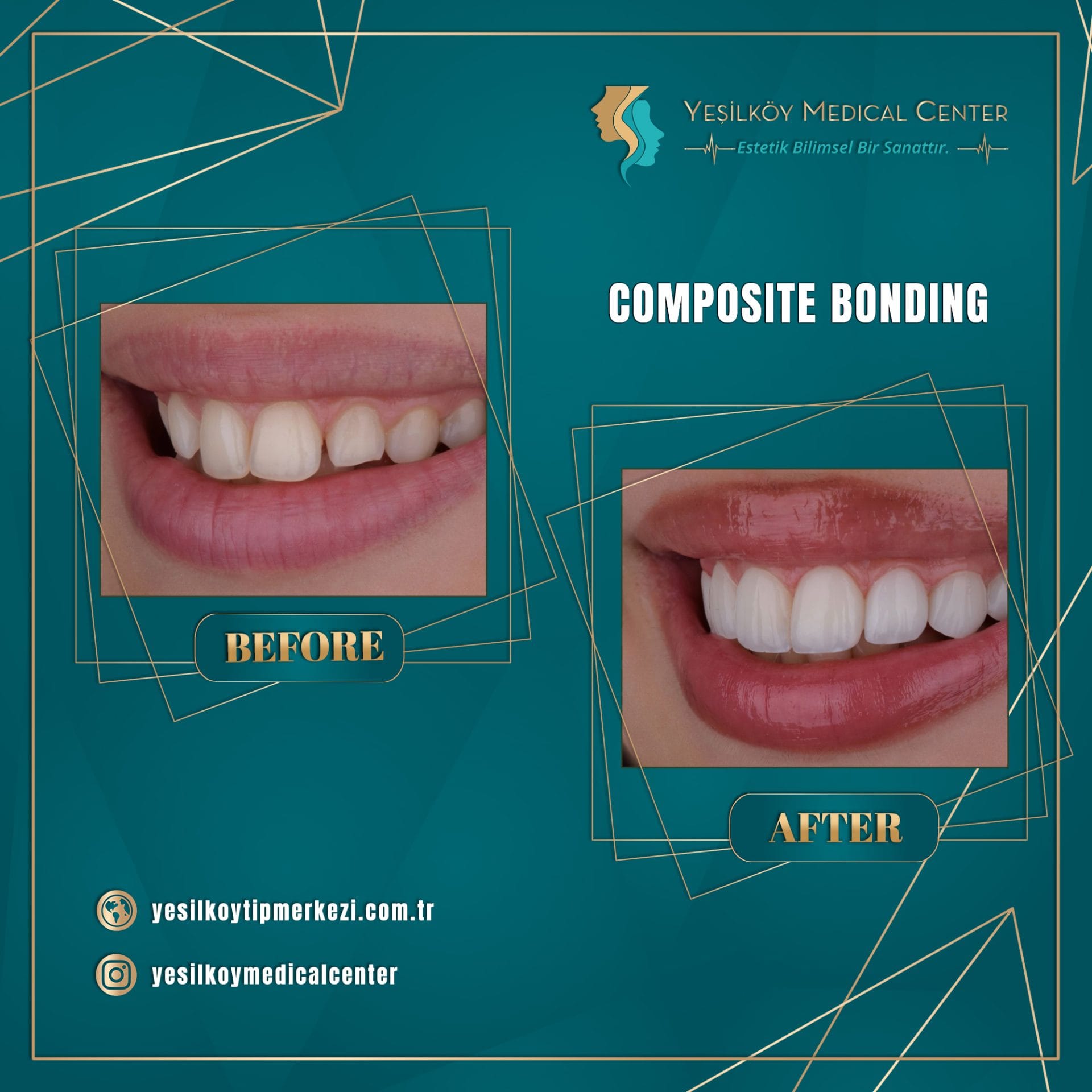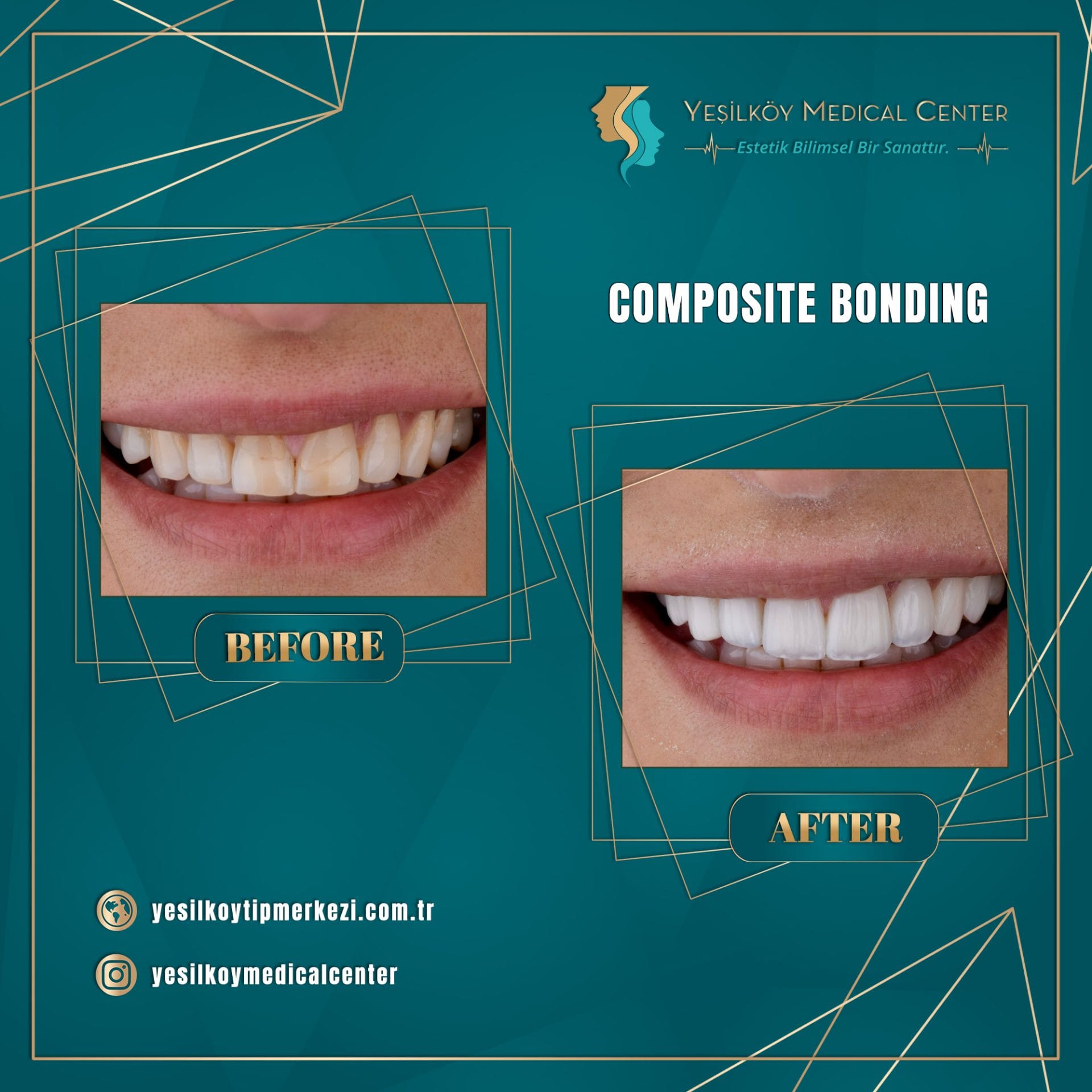


How Is the Dental Implant Treatment Process Planned?
The dental implant treatment process is a modern and effective method used to replace missing teeth in a permanent and aesthetic way. This process involves much more than simply placing an implant; it requires careful planning, detailed analysis, and a well-managed healing phase. The success of dental implant treatment depends on accurate diagnosis, personalized planning, and professional application.
Today, dental implants are considered one of the most advanced solutions that provide results closest to natural teeth. They offer both aesthetic and functional benefits, making them a preferred treatment option for many patients. However, achieving long-lasting success requires each stage of the process to be performed carefully and systematically.
1. Initial Examination and Detailed Assessment
The dental implant treatment process begins with a comprehensive oral examination. At this stage, the dentist evaluates the patient’s oral health, gum condition, and jawbone structure. Imaging techniques such as panoramic X-rays and 3D tomography are used to assess bone density and determine whether the patient is suitable for implant treatment.
This detailed evaluation helps determine the exact location where the implant will be placed. Additionally, the patient’s overall health condition, medications, and lifestyle habits are taken into account during the planning phase.
2. Personalized Treatment Planning
After the examination, a personalized implant planning process begins. The number of implants, their positions, and the materials to be used are determined at this stage. If the jawbone is insufficient, additional procedures such as bone grafting or sinus lifting may be required.
Proper planning is one of the most critical factors affecting the success of implant treatment. Therefore, each patient should receive a customized treatment plan tailored to their specific needs.
3. Surgical Procedure (Implant Placement)
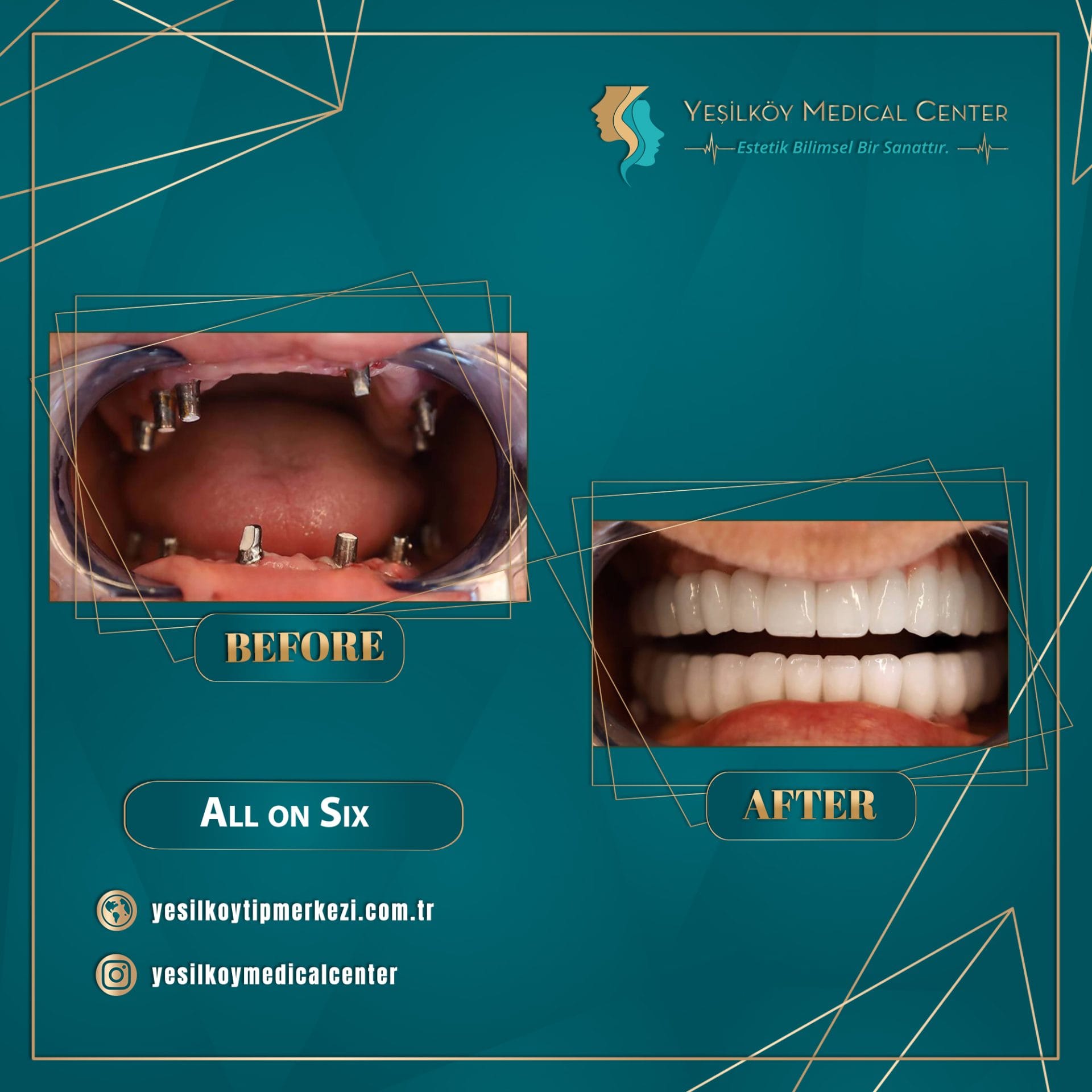
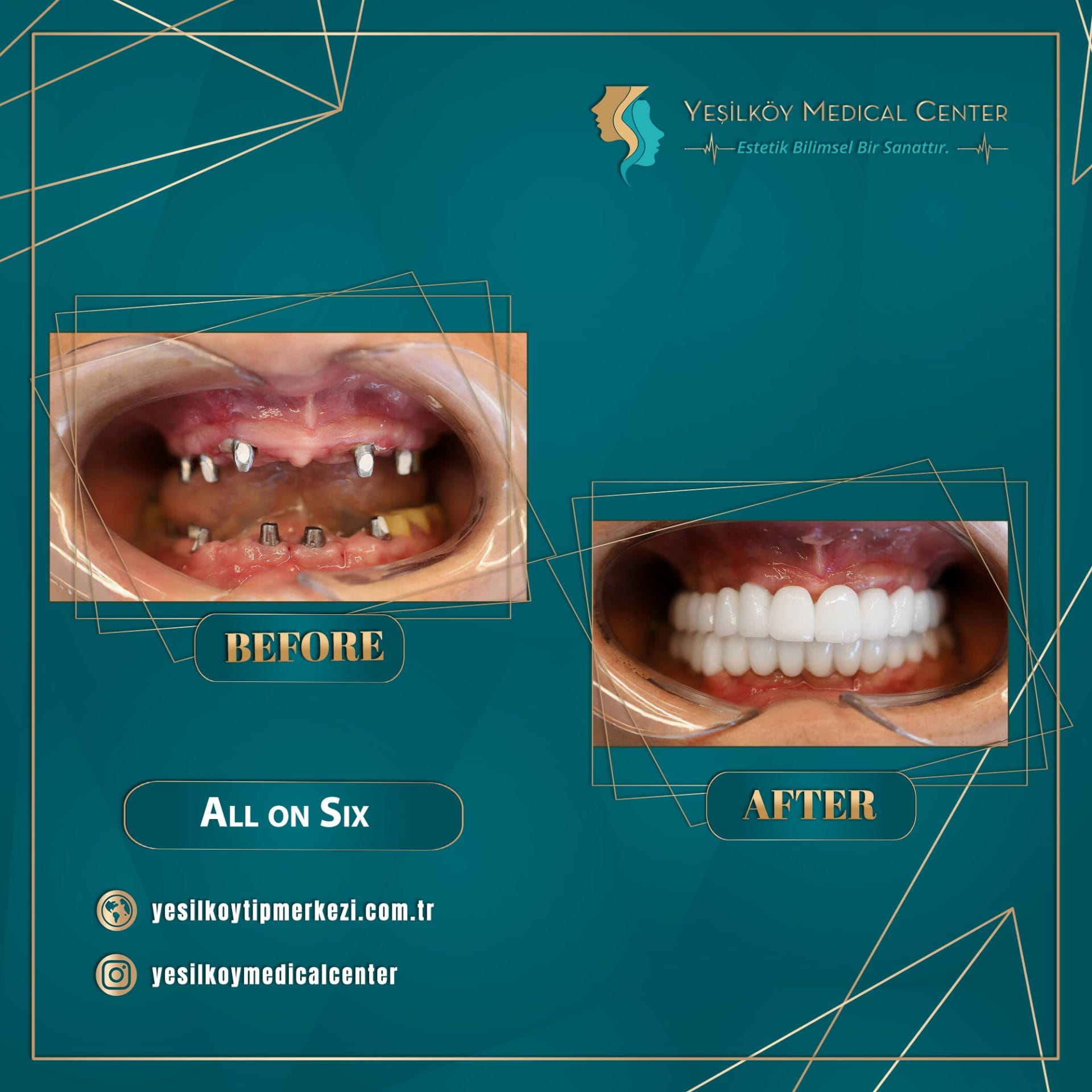
During the surgical phase of the dental implant treatment process, a titanium implant is placed into the jawbone. This procedure is performed under local anesthesia and is generally painless. The duration of the procedure depends on the number of implants being placed.
After the implant is inserted, the gum tissue is closed, and the healing phase begins. Following the dentist’s post-operative instructions is crucial for a successful outcome.
4. Healing and Osseointegration Phase
The process in which the implant fuses with the jawbone is called “osseointegration.” This phase typically takes between 2 to 4 months. During this time, the implant integrates with the bone and forms a strong and stable foundation.
Maintaining proper oral hygiene, avoiding smoking, and attending regular dental check-ups are essential during this period. A healthy healing process directly affects the longevity of the implant.
5. Placement of the Prosthetic Tooth
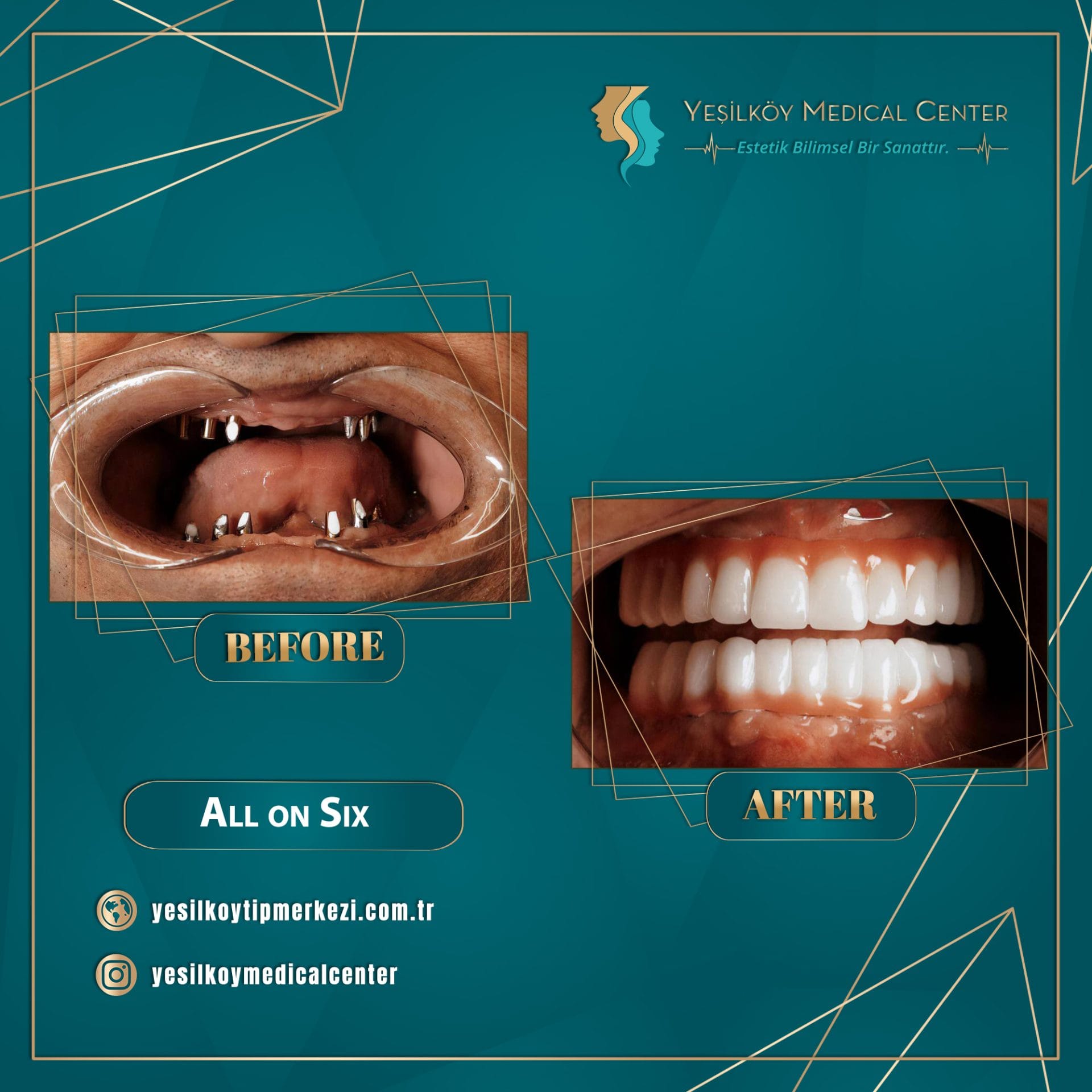
Once the healing process is complete, an abutment is attached to the implant, followed by the placement of the prosthetic tooth. This is the final stage of the treatment, allowing the patient to use their new tooth comfortably.
The prosthetic tooth closely resembles a natural tooth in both appearance and function, restoring chewing ability and improving aesthetics.
Advantages of Dental Implant Treatment
- Provides a natural and aesthetic appearance
- Long-lasting and durable solution
- Helps preserve jawbone structure
- Offers a stable and comfortable experience
- Does not damage adjacent teeth
Thanks to these advantages, dental implants are considered a more reliable and permanent solution compared to traditional bridges and dentures.
How Long Does the Dental Implant Treatment Process Take?
The dental implant treatment process varies depending on the patient’s bone structure and the procedures required. In most cases, the treatment is completed within 2 to 4 months. However, if additional procedures such as bone grafting are needed, the duration may be extended.
The most important factor is not speed but ensuring that the implant integrates properly with the bone, providing long-term success.
Post-Implant Care
- Maintain proper oral hygiene
- Brush teeth regularly
- Avoid smoking
- Attend regular dental check-ups
Aftercare is just as important as the treatment itself in ensuring the longevity of dental implants.
Who Is Suitable for Implant Treatment?
Individuals with good overall health and sufficient jawbone density are generally suitable candidates for implant treatment. However, certain chronic conditions or bone loss may affect the treatment plan.
Therefore, a detailed evaluation by a dental professional is necessary before starting treatment.
For More Information
To learn more about our services, visit our
dental treatments page.
For scientific information about dental implants, you can visit
trusted medical sources.
Frequently Asked Questions
Is the dental implant treatment process painful?
No, the procedure is performed under local anesthesia, so no pain is felt during the operation.
How long do dental implants last?
With proper care, dental implants can last for many years.
What is the recovery process like?
The healing process is generally mild and manageable.
Conclusion
The dental implant treatment process is a highly successful treatment method when properly planned and performed by experienced professionals. It provides a permanent solution for missing teeth, improving both aesthetics and functionality.
If you are experiencing tooth loss, consulting a dental specialist can help you determine the most suitable treatment plan for your needs.