

What Is a Dental Implant?

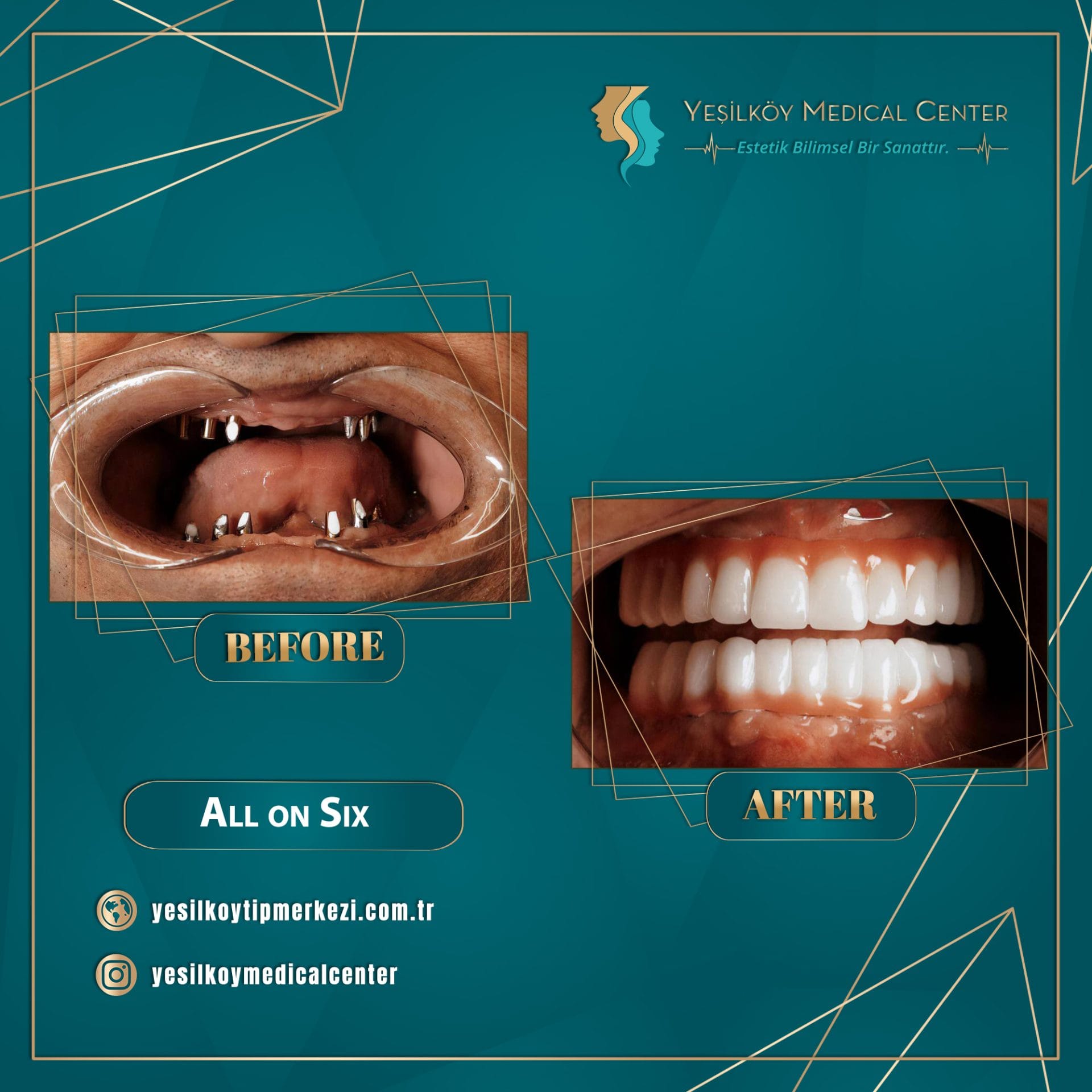
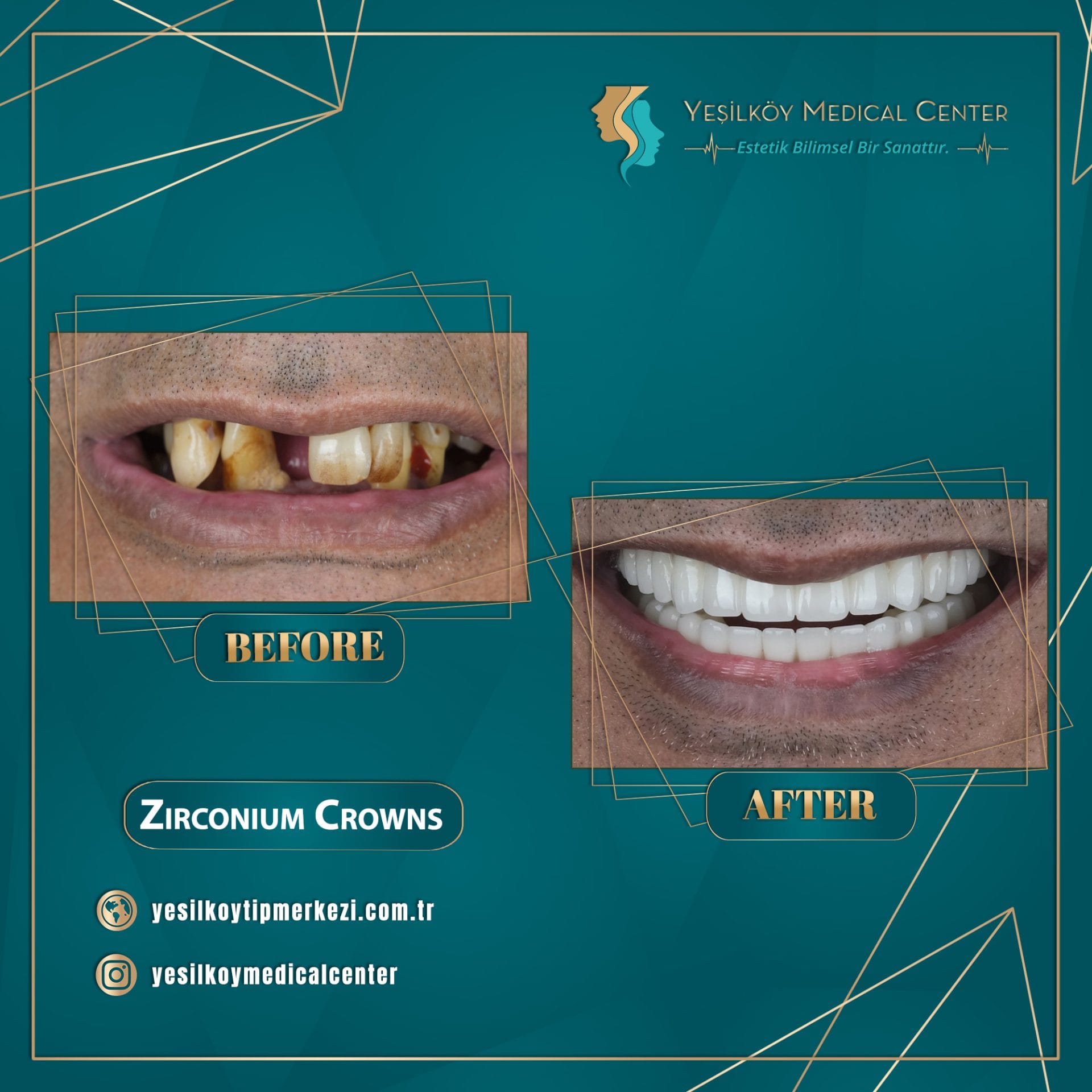
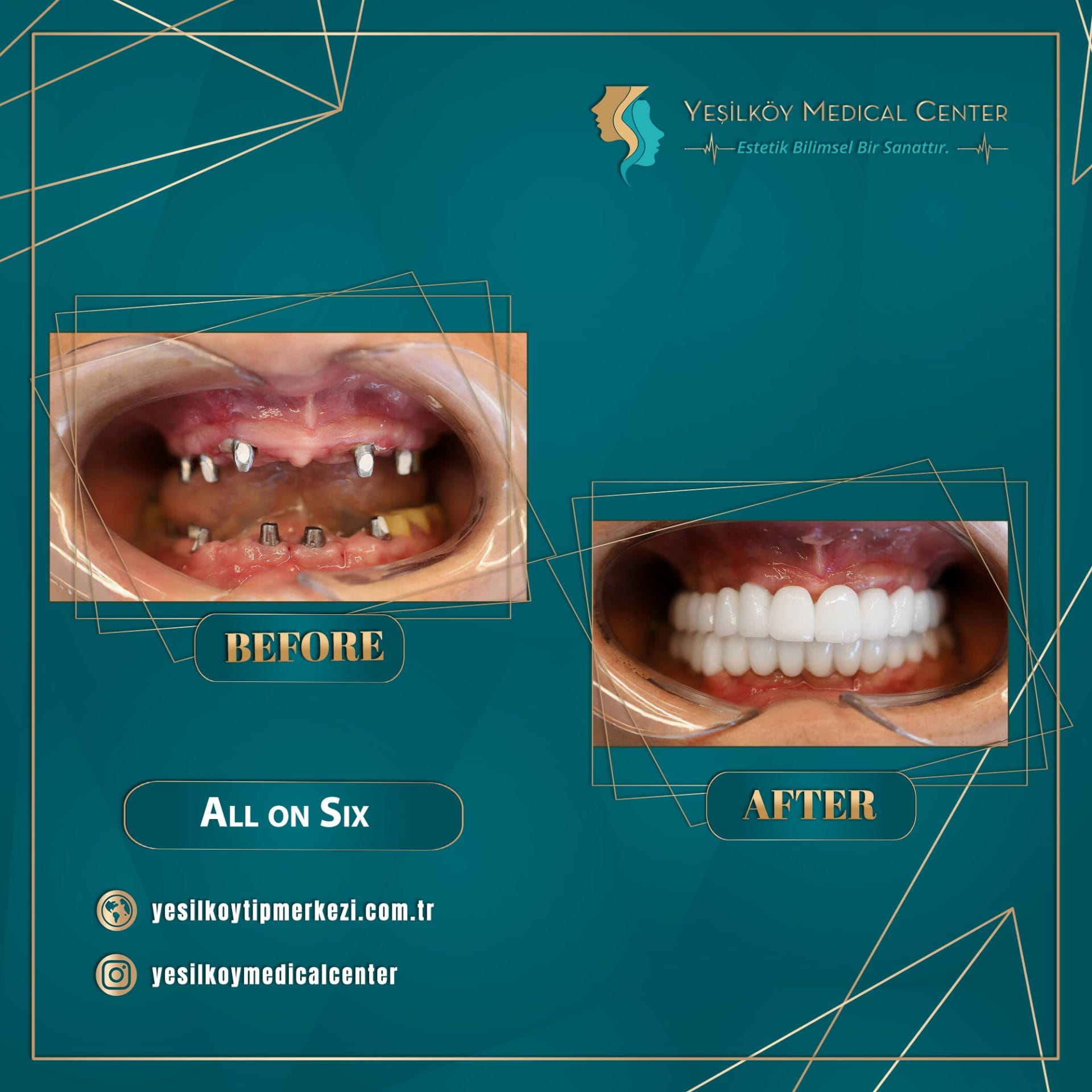
What is a dental implant is one of the most frequently asked questions by individuals experiencing tooth loss. A dental implant is an artificial titanium root placed into the jawbone to replace missing teeth. A prosthetic tooth is then placed on top, providing both aesthetic and functional results very close to natural teeth.
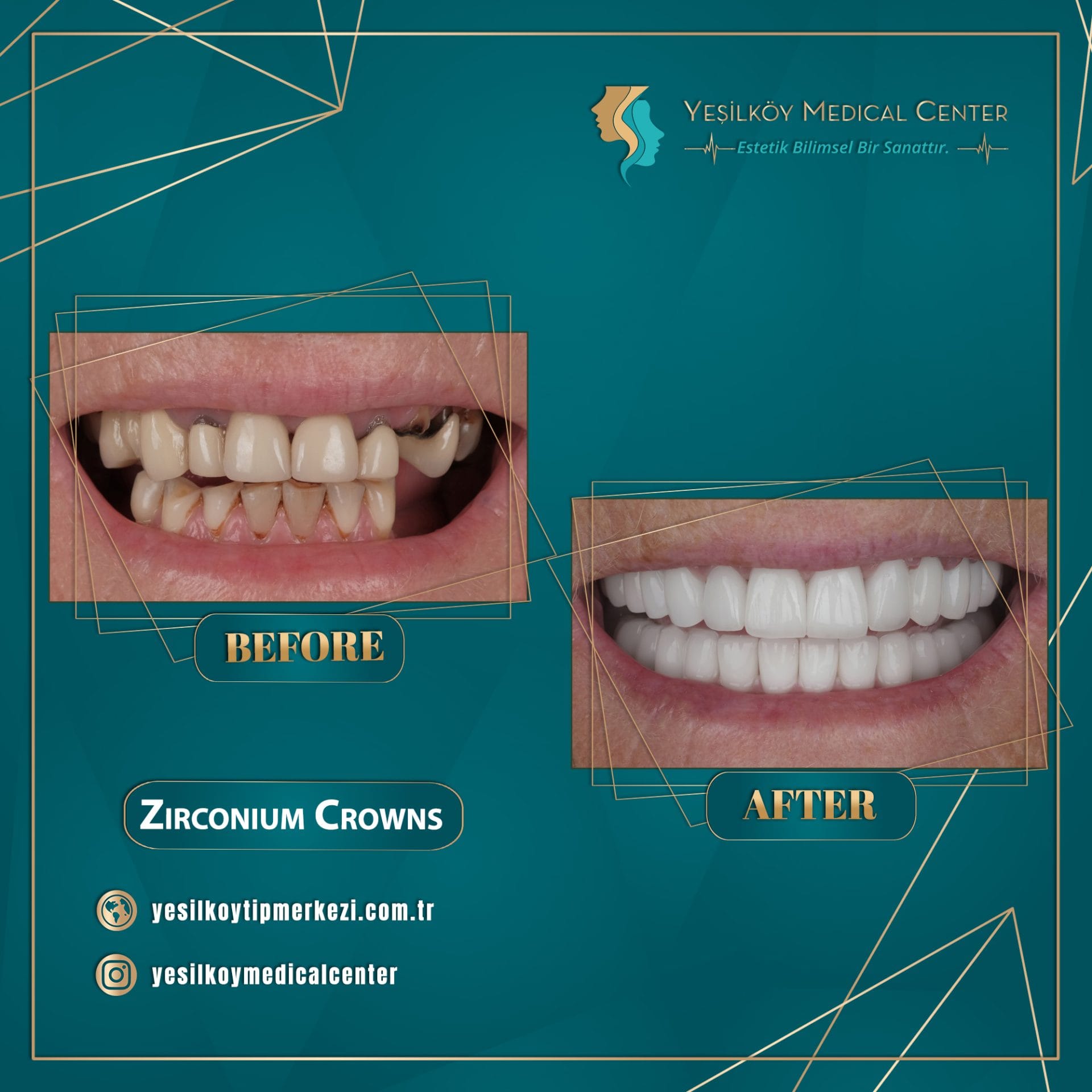
Dental implant treatment is considered one of the most successful modern dental procedures due to its durability, long lifespan, and comfort. It significantly improves quality of life by restoring chewing function and enhancing appearance.
What is a dental implant? In simple terms, it is a permanent artificial tooth root placed into the jawbone, designed to support a fixed dental crown. It is an effective solution for single, multiple, or complete tooth loss.
How Is a Dental Implant Done?
The dental implant process consists of several stages. First, the patient’s oral structure, gum health, and jawbone are carefully evaluated. Imaging techniques such as X-rays or tomography may be used to assess bone density.
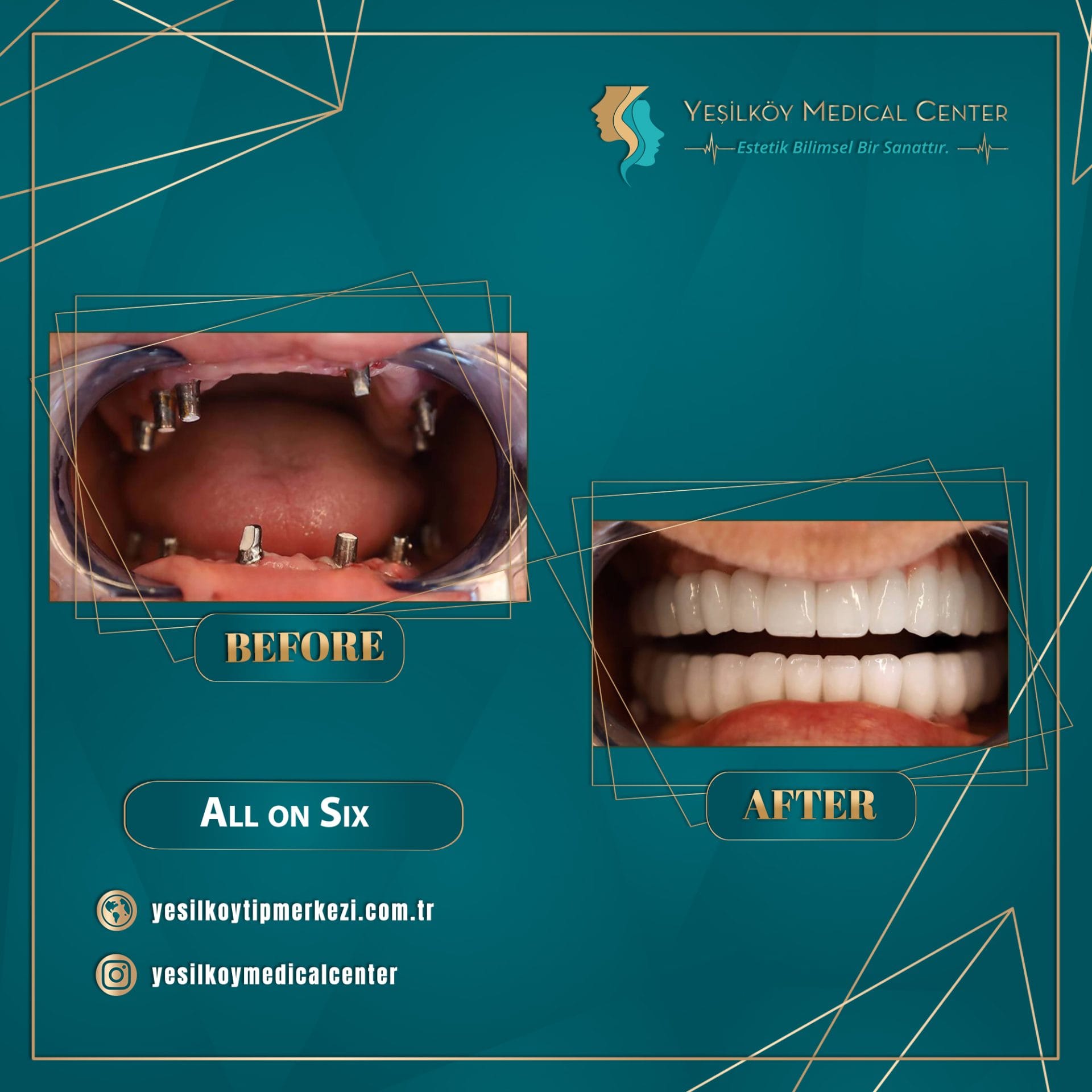
Next, the implant is placed into the jawbone under local anesthesia. The procedure is generally painless and completed in a short time. After placement, a healing period of 2 to 4 months is required for the implant to integrate with the bone, a process known as osseointegration.
Once healing is complete, an abutment and prosthetic tooth are attached to the implant, finalizing the treatment. The result closely mimics natural teeth in both appearance and function.

What Are the Advantages of Dental Implants?
One of the biggest advantages of dental implants is that they provide a natural look and feel. Since they are fixed, they do not move or shift, offering high comfort in daily life. They also protect neighboring teeth since no reduction is required.
- Provides a natural and aesthetic appearance
- Improves chewing and speaking functions
- Does not damage adjacent teeth
- Helps prevent jawbone loss
- Long-lasting and durable solution
- Offers comfort and confidence in daily life
Another key benefit is longevity. With proper care and regular dental check-ups, implants can last for many years, making them an ideal long-term solution.
Who Is Suitable for Dental Implants?
Adults with good general health and sufficient jawbone density are typically suitable candidates for dental implant treatment. However, conditions such as diabetes, severe bone loss, gum disease, or heavy smoking may affect treatment success.
In some cases, additional procedures like bone grafting or sinus lifting may be required to prepare the jawbone. Therefore, treatment should always be personalized.
How Long Does Dental Implant Treatment Take?
The duration of treatment varies depending on the patient’s bone structure and whether additional procedures are needed. In most cases, the full process takes a few months.
The key factor is allowing sufficient time for proper bone integration. This ensures long-term success and stability of the implant.
Is Dental Implant Procedure Painful?
The procedure is performed under local anesthesia, so no pain is felt during the operation. After the procedure, mild discomfort or swelling may occur, but it usually subsides quickly with proper care and medication.
Many patients report that the procedure is much easier than expected, especially when performed by an experienced professional.
How Should Implant Aftercare Be Done?
Proper aftercare is essential for the longevity of dental implants. Regular brushing, flossing, and maintaining oral hygiene are crucial. Avoiding hard foods during the early stages and refraining from smoking can significantly improve success rates.
Routine dental check-ups help monitor the implant and surrounding tissues, ensuring long-term success.
For More Information
To learn more about dental services, visit our
dental treatments page.
For additional medical information, you can visit this
trusted external source.
Frequently Asked Questions
What is a dental implant and why is it preferred?
A dental implant is an artificial tooth root used to replace missing teeth. It is preferred for its durability, natural appearance, and functionality.
Can everyone get dental implants?
Most healthy adults with sufficient bone structure are suitable candidates, but a dental examination is required for confirmation.
How long do dental implants last?
With proper care, dental implants can last for many years and even a lifetime.
What should be considered after implant treatment?
Good oral hygiene, avoiding smoking, and regular dental visits are essential for long-term success.
Conclusion
What is a dental implant can be defined as a titanium structure placed in the jawbone to function as an artificial tooth root. It is one of the most reliable and effective solutions in modern dentistry.
If you are experiencing tooth loss, consulting a dental specialist can help determine the best treatment plan. With proper care and professional application, dental implants provide long-lasting and successful results.