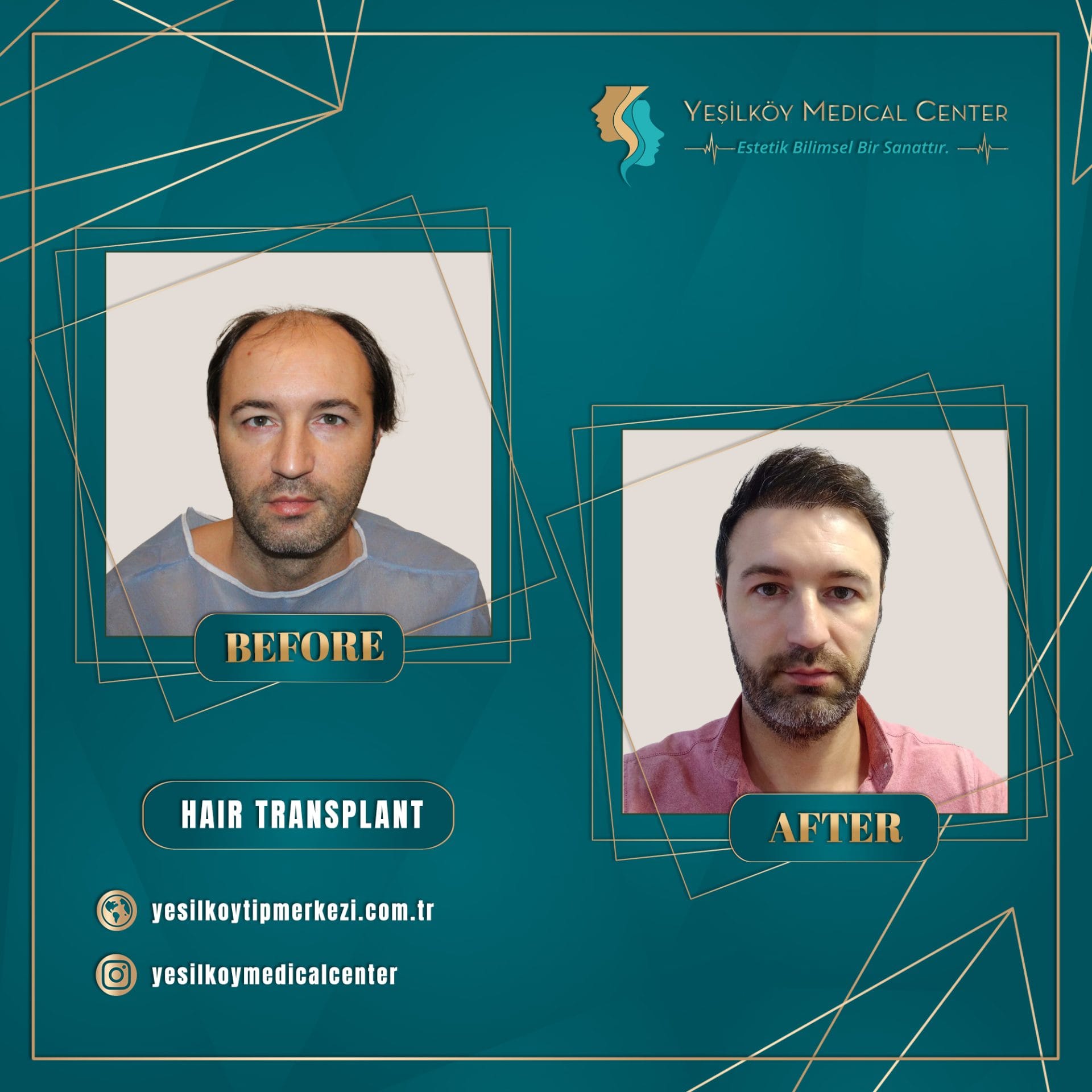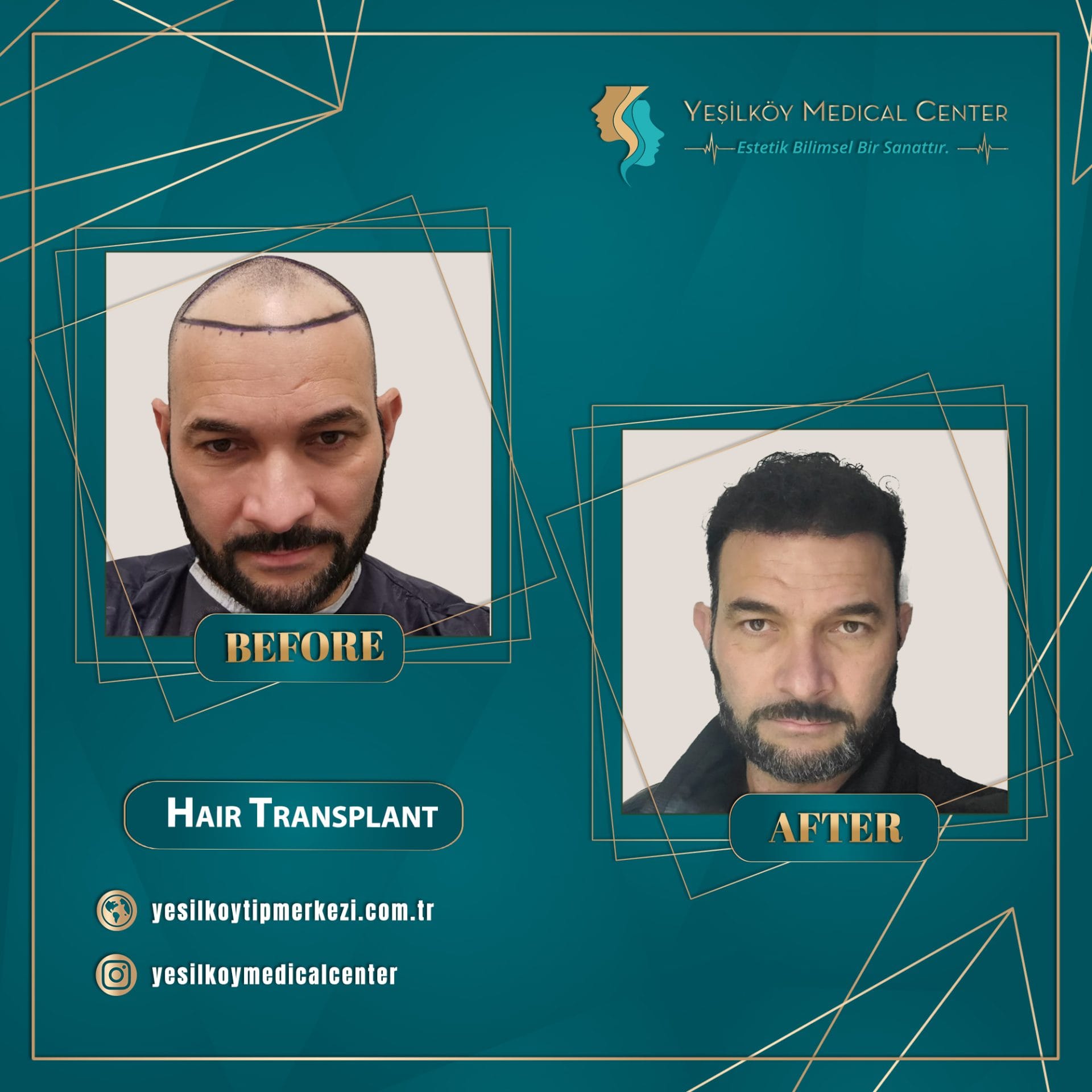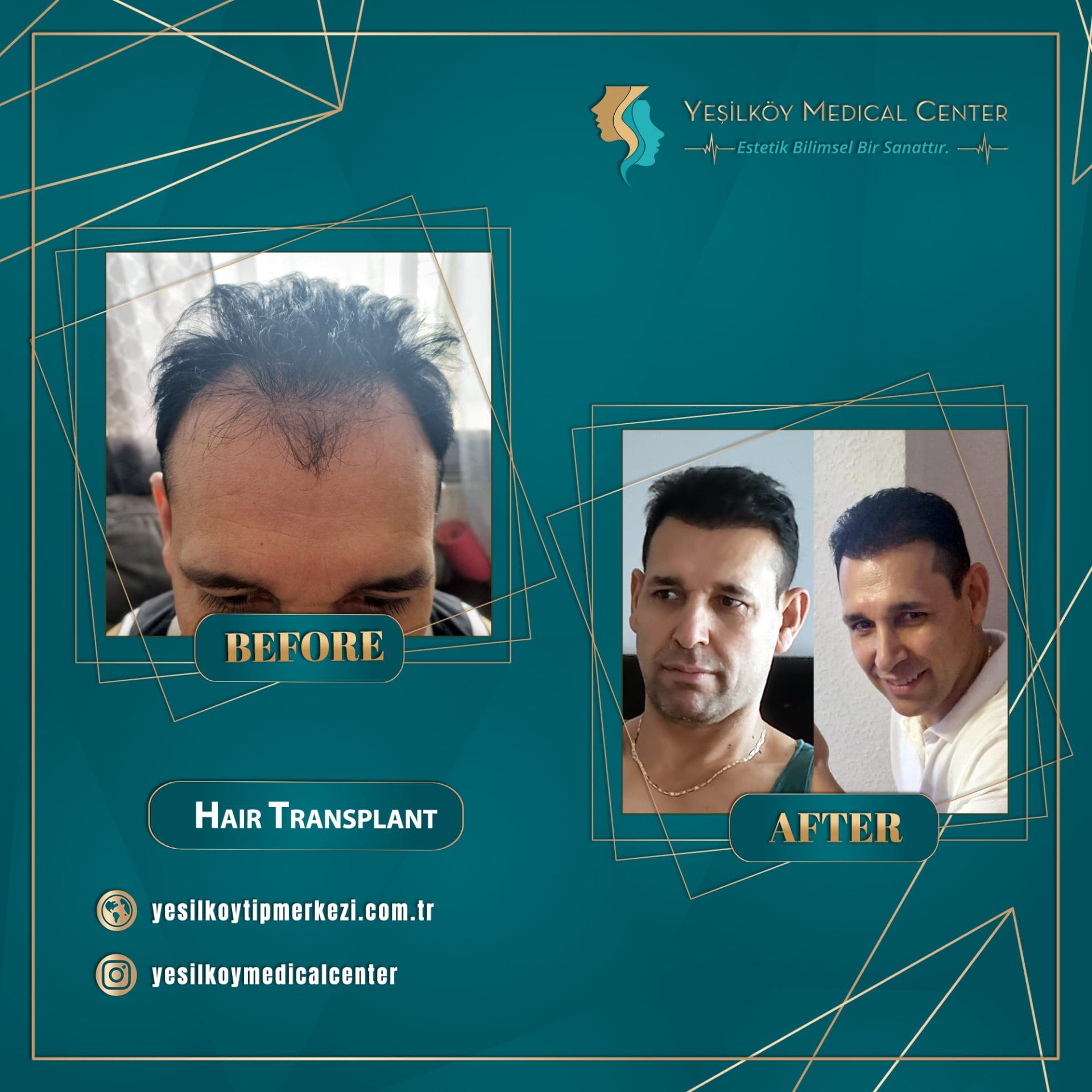


What Is Hair Transplantation? A Complete Guide to Hair Transplant Procedures
Hair loss is one of the most common aesthetic concerns affecting both men and women.
Genetic factors, hormonal changes, stress, aging, and certain medical conditions can lead to hair thinning
or complete hair loss in specific areas of the scalp.
One of the most effective and long-lasting solutions for hair loss today is
hair transplantation. Thanks to modern medical technologies,
hair transplant procedures can now deliver natural-looking and permanent results.
In this article, you will learn what hair transplantation is,
how the procedure works, what methods are used, and who may be suitable for this treatment.
What Is Hair Transplantation?
Hair transplantation is a medical procedure in which healthy hair follicles
are taken from a donor area of the patient—usually the back of the head—and transplanted
to areas where hair is thinning or completely absent.
The back of the scalp is typically used as the donor area because the hair follicles there
are genetically resistant to hair loss. Once these follicles are transplanted, they generally
retain this resistance, allowing them to continue growing hair in the new area.
Because the procedure uses the patient’s own hair follicles, the risk of rejection is minimal,
and the final results can appear very natural when performed by experienced professionals.
Why Does Hair Loss Occur?
Hair loss can occur for several different reasons. The most common causes include:
- Genetic predisposition
- Hormonal changes
- Stress and psychological factors
- Aging
- Certain medical conditions
- Nutritional deficiencies
The most common type is androgenetic alopecia, also known as male or female pattern baldness.
How Is a Hair Transplant Performed?
Hair transplantation is usually performed under local anesthesia and involves several stages.
This makes the procedure relatively comfortable for the patient.
1. Consultation and Planning
Before the procedure, the specialist evaluates the extent of hair loss,
the density of the donor area, and designs a natural-looking hairline.
2. Extraction of Hair Follicles
Hair follicles are carefully extracted from the donor area using specialized medical tools.
Each follicle is preserved to ensure it remains viable for transplantation.
3. Preparation of the Recipient Area
Tiny channels are created in the area where the hair will be transplanted.
The angle and direction of these channels are essential for achieving natural-looking results.
4. Implantation of Hair Follicles
Finally, the extracted follicles are implanted into the prepared channels.
Once the procedure is completed, the healing process begins and new hair growth gradually starts.
Hair Transplant Methods
FUE Method
FUE (Follicular Unit Extraction) is one of the most commonly used hair transplant techniques.
In this method, hair follicles are extracted individually and then transplanted into the bald area.
- Minimal scarring
- Faster recovery
- Natural appearance
DHI Method
DHI (Direct Hair Implantation) is a more advanced technique where hair follicles
are implanted directly using a specialized tool known as an implanter pen.
- High implantation precision
- Potentially denser results
- Better control of hair growth direction
Who Is a Good Candidate for Hair Transplantation?
Hair transplantation may be suitable for individuals who:
- Experience noticeable hair loss
- Have sufficient donor hair follicles
- Are in good overall health
- Have realistic expectations about the results
Recovery After Hair Transplant Surgery
Most patients can return to their daily routine within a few days after the procedure.
In the first days, mild redness or scabbing in the transplanted area may occur.
A process known as shock hair loss may happen within a few weeks after the procedure.
This is a normal stage where the transplanted hairs temporarily shed before new growth begins.
New hair growth usually becomes noticeable after about
3–4 months, while the final results are typically visible within
9–12 months.
Is Hair Transplantation Permanent?
In most cases, transplanted hair is permanent because it is taken from areas
that are resistant to hair loss. However, natural aging and hair loss may still
continue in other areas of the scalp.
Conclusion
Hair transplantation is one of the most effective modern solutions for people experiencing hair loss.
With advanced techniques and proper planning, it is possible to achieve natural and long-lasting results.
If you are concerned about hair loss, consulting with a medical professional
can help determine the most suitable treatment option and create a personalized
hair restoration plan.