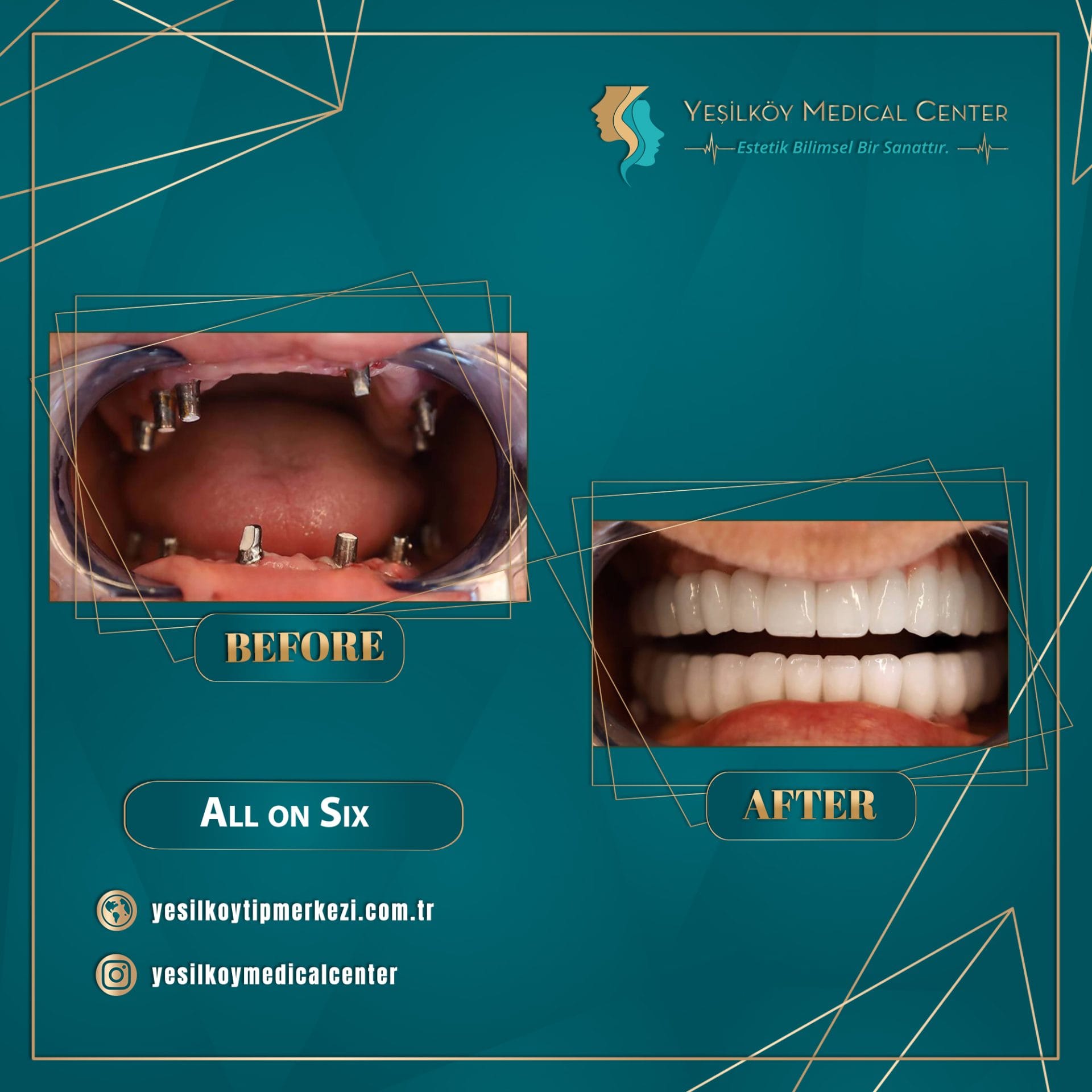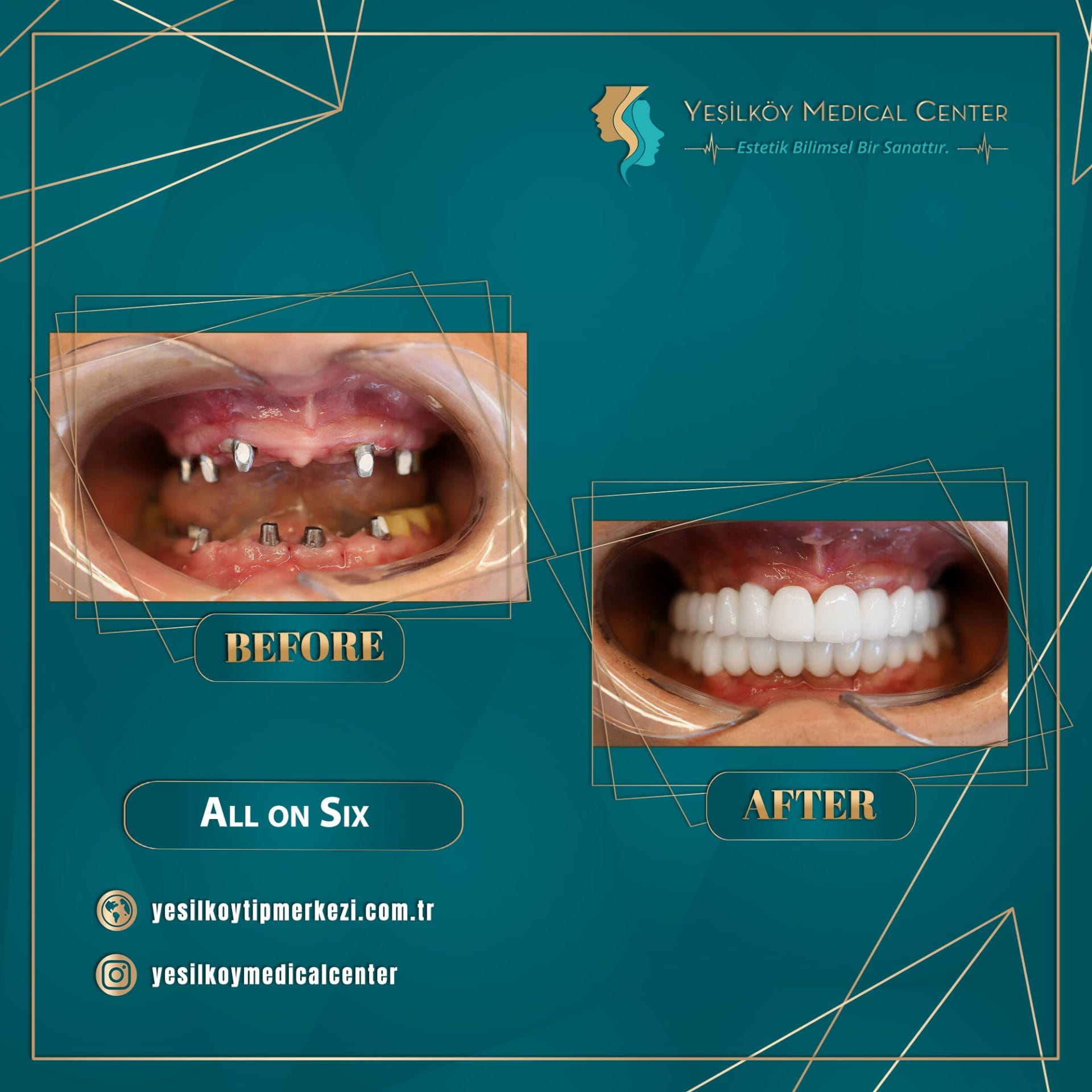


Dental Implant Healing Process
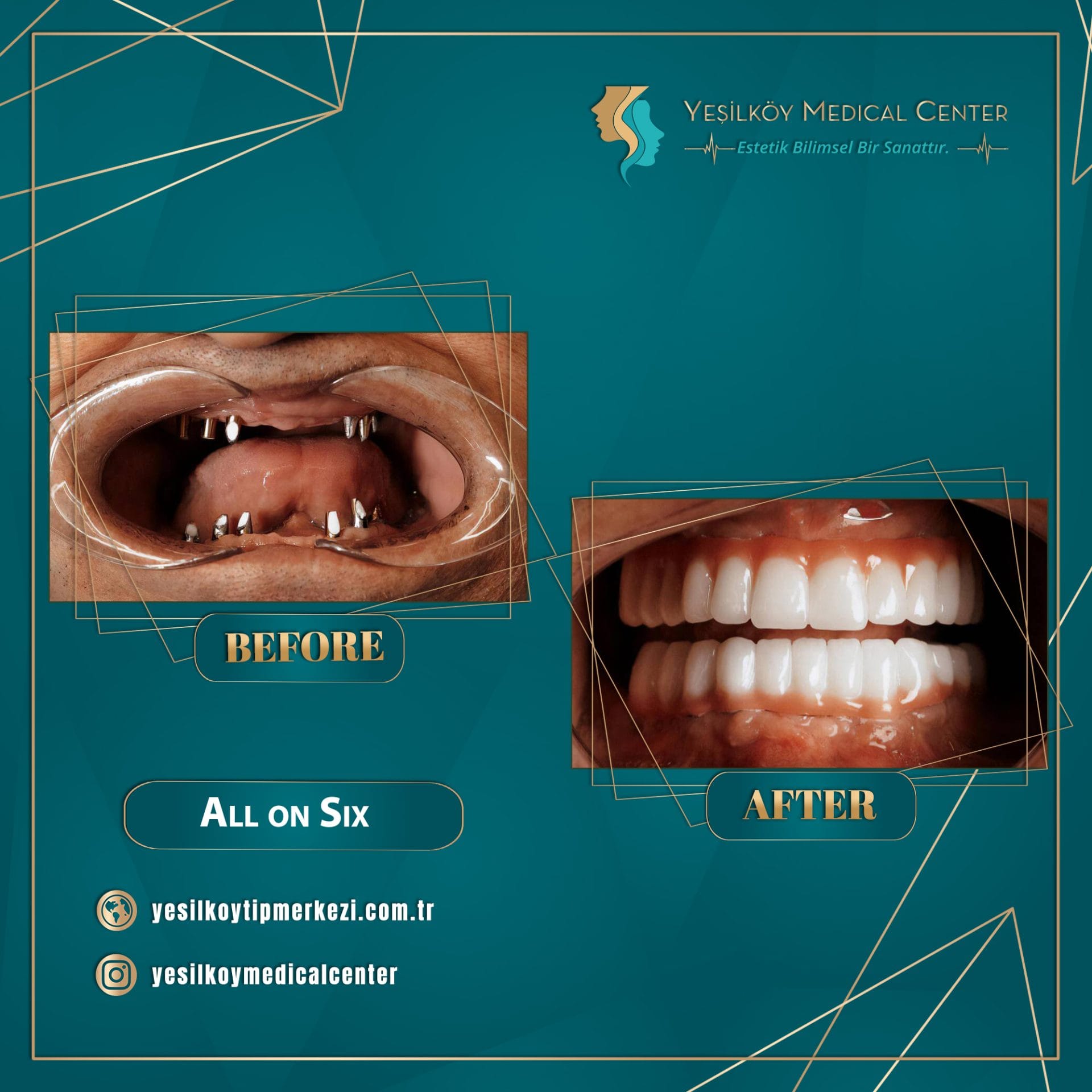
Dental implant healing process is one of the most critical stages that determine the long-term success of implant treatment. After the implant is placed, it must integrate with the jawbone in a process known as “osseointegration.” This biological process ensures that the implant becomes stable and functions like a natural tooth root.
The dental implant healing process may vary from person to person. Factors such as age, bone density, immune system strength, and oral hygiene habits play a major role in how quickly and effectively healing occurs. However, with proper care and adherence to professional advice, the recovery period is usually smooth and predictable.
First 24 Hours: The Most Critical Phase
The first 24 hours after implant surgery are extremely important for proper healing. Mild bleeding, swelling, and sensitivity are considered normal during this period.
- Avoid hot food and drinks
- Do not smoke or consume alcohol
- Avoid rinsing your mouth forcefully
- Stay away from hard or crunchy foods
Following these guidelines helps protect the surgical area and supports the initial healing phase.
First Week: Tissue Recovery
During the first week, mild pain and swelling may continue but gradually decrease. Prescribed medications should be used regularly to manage discomfort and prevent infection.
Soft and lukewarm foods are recommended, and pressure on the implant area should be avoided. Maintaining oral hygiene during this period is essential to reduce the risk of complications.
Osseointegration Phase
The dental implant healing process reaches its most crucial stage during osseointegration. In this phase, the implant fuses with the jawbone, creating a strong and stable foundation.
This process typically takes between 2 to 4 months. Regular dental check-ups during this time ensure that the implant is integrating properly and that no complications arise.
Pain and Swelling: Is It Normal?
Mild pain and swelling are common after implant placement. These symptoms usually subside within a few days.
Applying cold compresses, keeping the head slightly elevated, and taking prescribed medications can significantly improve comfort during recovery.
Nutrition During Healing
Proper nutrition plays a key role in the healing process. Hard, spicy, and very hot foods should be avoided.
A diet rich in protein, vitamins, and minerals helps accelerate tissue repair and supports the immune system.
Oral Hygiene Importance
The dental implant healing process requires careful attention to oral hygiene. Teeth should be brushed regularly, and recommended antiseptic mouthwashes should be used.
However, the implant area must be cleaned gently to avoid irritation or damage.
Factors Affecting Healing
Several factors can influence healing, including smoking, poor nutrition, and inadequate oral care. These can delay recovery and increase the risk of implant failure.
On the other hand, maintaining a healthy lifestyle and following medical advice can significantly improve healing outcomes.
Lifestyle and Recovery
The patient’s lifestyle plays a major role in ensuring a smooth recovery. Getting enough sleep enhances the body’s ability to repair itself and strengthens the immune system.
Reducing stress is equally important, as high stress levels can slow down the healing process and negatively impact overall recovery.
Regular Check-Ups After Implant Surgery
Regular dental check-ups should not be neglected after implant placement. During these visits, the condition of the implant is evaluated, and any potential complications can be detected early.
Early intervention is one of the key factors that contribute to long-term implant success.
Patients Requiring Extra Attention
In some cases, the healing process may take longer. Patients with chronic conditions such as diabetes, reduced bone density, or advanced age may require additional care and monitoring.
Following a personalized treatment plan is essential for achieving the best possible results in these situations.
Patience in the Healing Process
The dental implant healing process requires patience. The integration of the implant with the bone is a natural process that cannot be rushed.
When proper care is taken, dental implants can function like natural teeth for many years, providing both aesthetic and functional satisfaction.
For More Information
To learn more about treatment options, visit our
dental treatments
page.
For scientific information, refer to
trusted medical sources.
Frequently Asked Questions
How long does implant healing take?
It usually takes between 2 to 4 months, depending on individual factors.
Is pain normal after implant surgery?
Yes, mild pain is normal and typically subsides within a few days.
Can I smoke after implant placement?
No, smoking can delay healing and increase the risk of complications.
Conclusion
The dental implant healing process is a crucial phase that requires proper care, patience, and attention. Following professional advice and maintaining good oral hygiene ensures long-term success.
A healthy healing process is the foundation of a successful dental implant treatment.