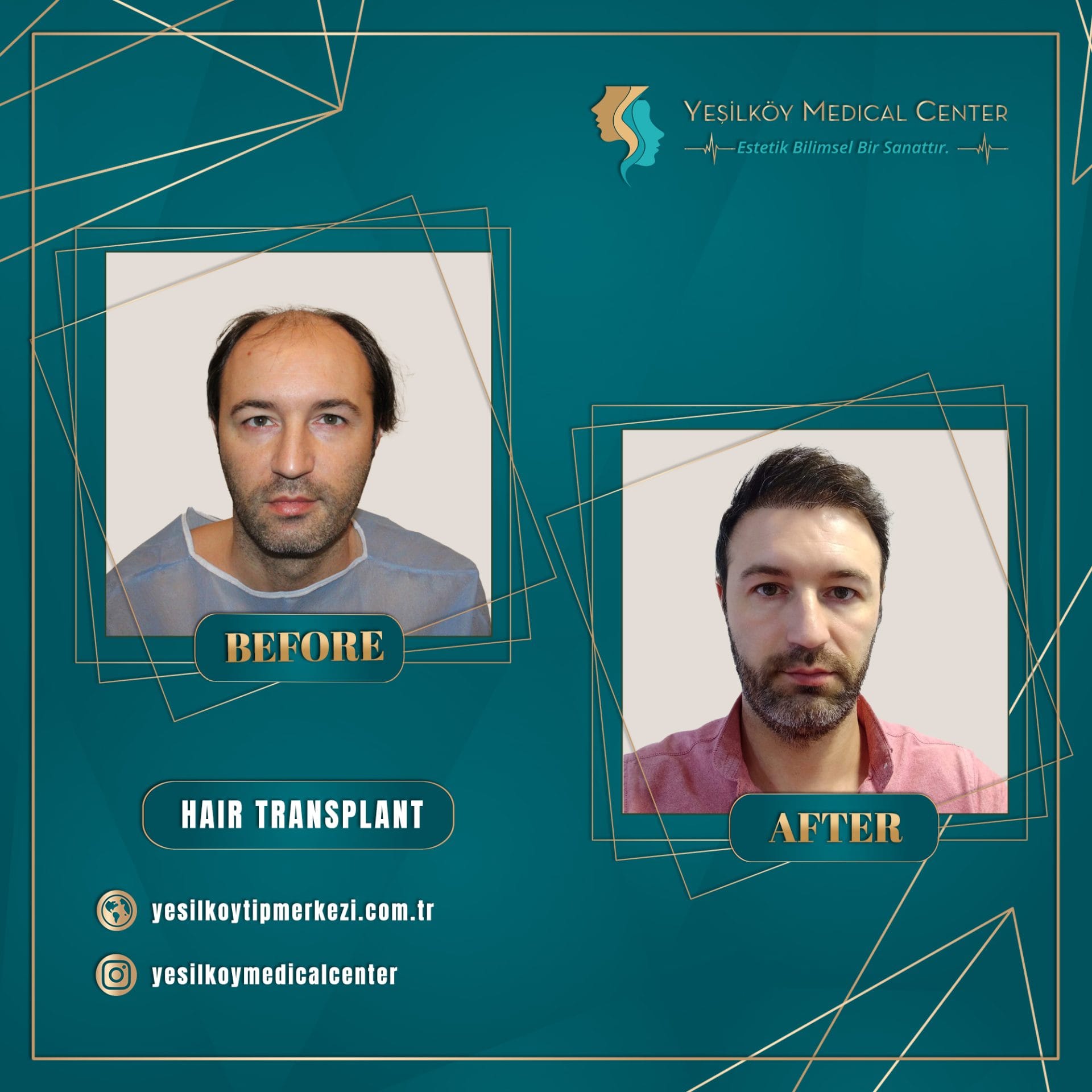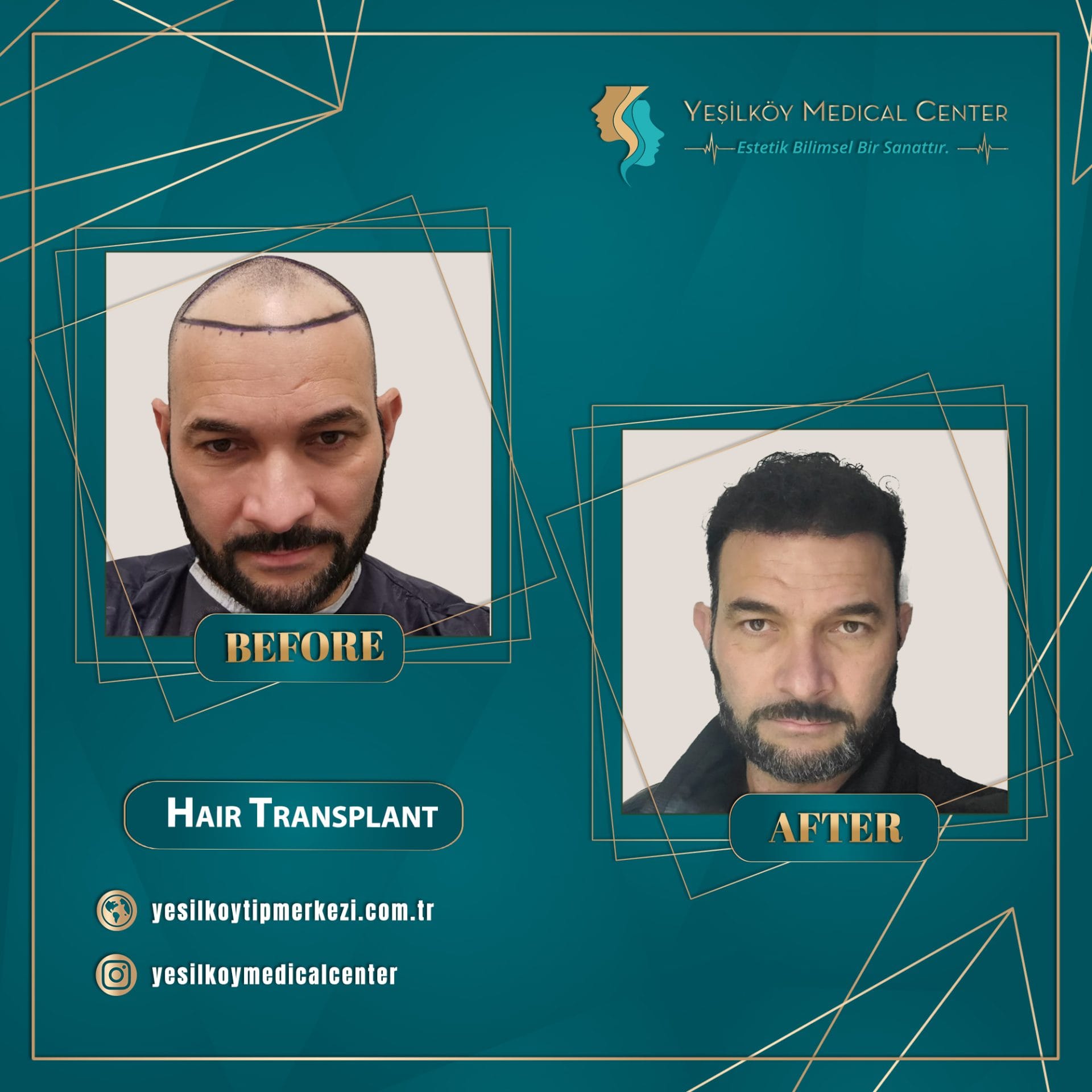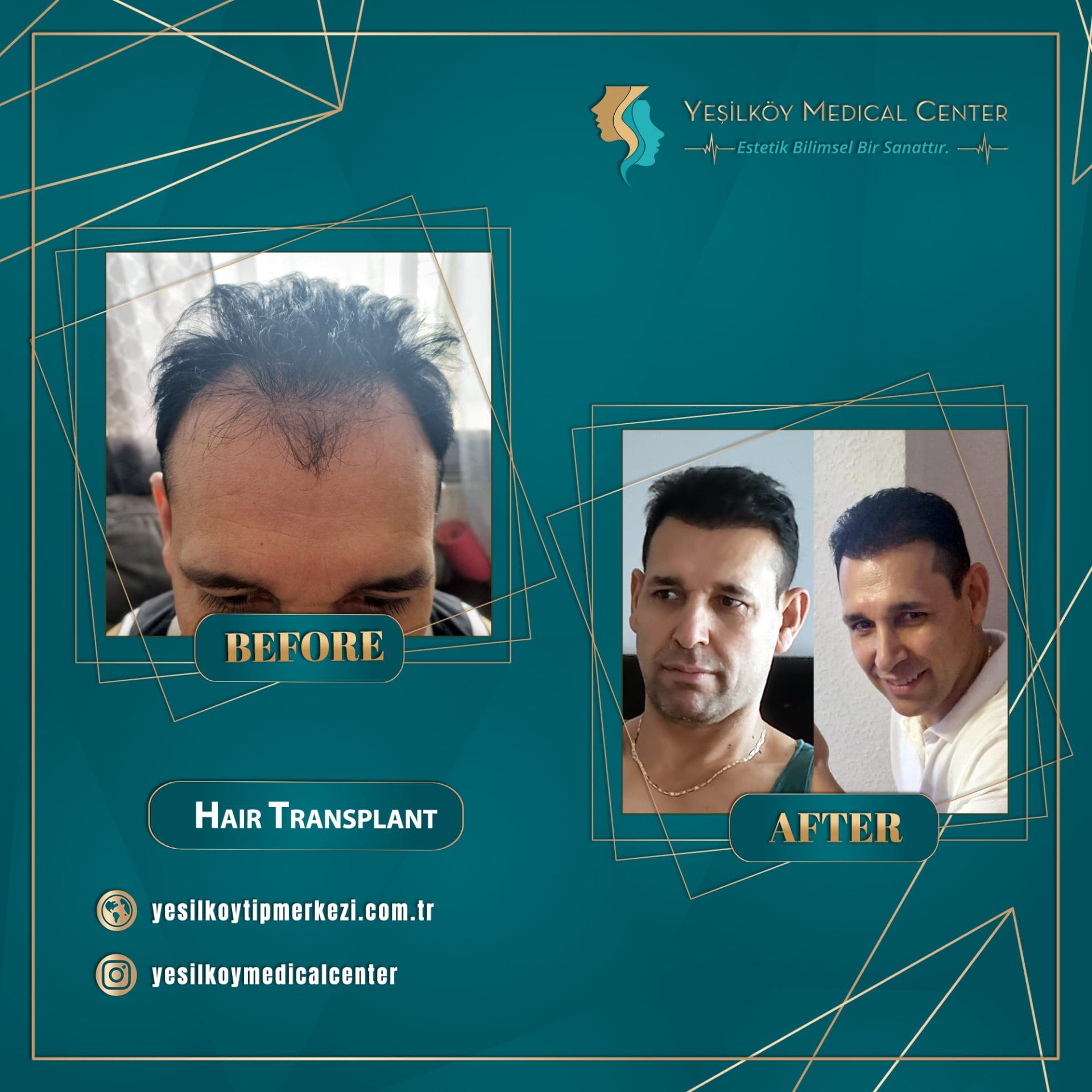


Hair Transplant Recovery Process
Hair transplantation is one of the most effective and permanent
solutions for people experiencing hair loss. Thanks to modern
hair transplant techniques, it is now possible to achieve
natural-looking results. However, a successful hair transplant
does not depend only on the procedure itself.
The hair transplant recovery process is just as
important as the surgery. Proper care during this period helps
the transplanted hair follicles settle properly and allows
new hair to grow stronger and healthier.
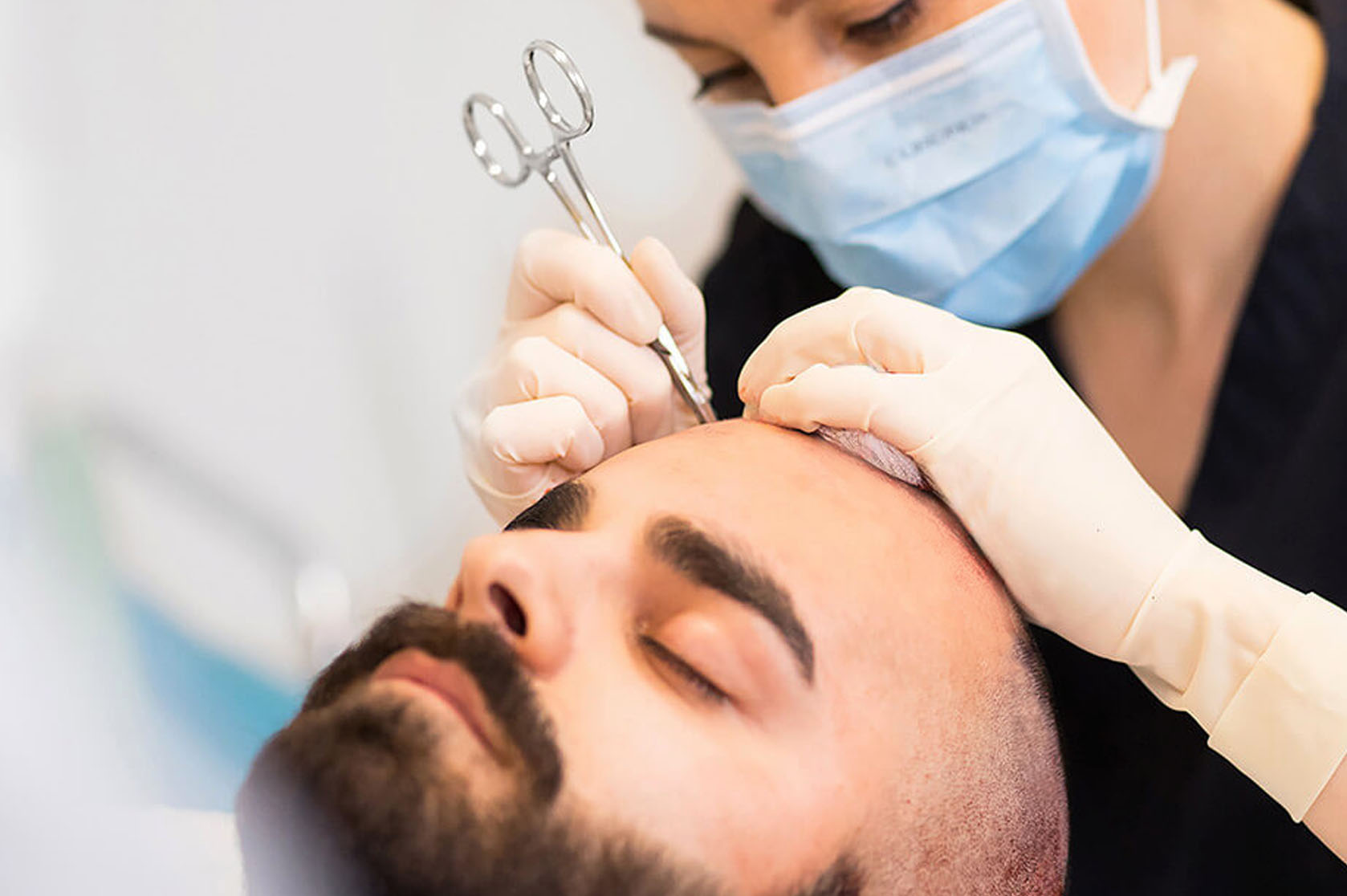
The First Day After Hair Transplant
Immediately after a hair transplant procedure, mild redness,
swelling, and sensitivity may appear on the scalp. This is
completely normal and usually begins to decrease within a few days.
During the first day, it is extremely important to protect the
transplanted area. Since the hair follicles have just been
implanted, pressure, friction, or physical impact should be avoided.
All medications and aftercare instructions given by the doctor
should be followed carefully.
The First 3 Days
The first 72 hours after a hair transplant are among the most
sensitive stages of the healing process. During this period,
the transplanted hair follicles begin adapting to their new location.
- The scalp should not be touched unnecessarily
- The head area should be protected
- Heavy physical activities should be avoided
- The recommended sleeping position should be maintained
During this time, small scabs may start to form on the scalp.
These scabs are a natural part of the healing process.
The First 7–10 Days
Within the first week after the hair transplant, scabbing may
increase slightly. During this period, the hair washing routine
recommended by the doctor usually begins.
Hair washing should be performed gently to avoid damaging
the newly transplanted follicles. The scabs will gradually
fall off on their own.
Picking or forcefully removing the scabs can damage
the hair follicles and negatively affect the results
of the hair transplant.
Shock Loss Period
During the hair transplant recovery process, many people may
experience a temporary phase known as shock loss.
During this stage, the transplanted hair strands may fall out.
However, this is completely normal because the hair follicles
remain under the skin.
Shock loss usually occurs between 2 and 6 weeks after the
hair transplant procedure. After this phase, the hair follicles
enter a new growth cycle.
New Hair Growth
New hair growth usually begins around three months after
the hair transplant. Initially, the new hairs may appear thin
and weak.
Over time, these hairs become thicker and develop
a healthier appearance.
Most patients begin to notice visible improvement within
six months. However, the final results of a hair transplant
typically appear between 9 and 12 months.
Things to Consider After a Hair Transplant
For the hair transplant recovery process
to progress smoothly, several important precautions should be taken.
- Avoid direct sunlight during the first weeks
- Avoid heavy sports activities
- Use the hair care products recommended by your doctor
- Avoid irritating the scalp
- Attend follow-up appointments regularly
Following these recommendations helps ensure more natural
and successful hair transplant results.
More Information
For more detailed information about hair transplantation,
you can visit our
hair transplant page
.
For scientific information about hair loss, you may visit
American Academy of Dermatology
.