

Methods for Treating Bone Deficiency
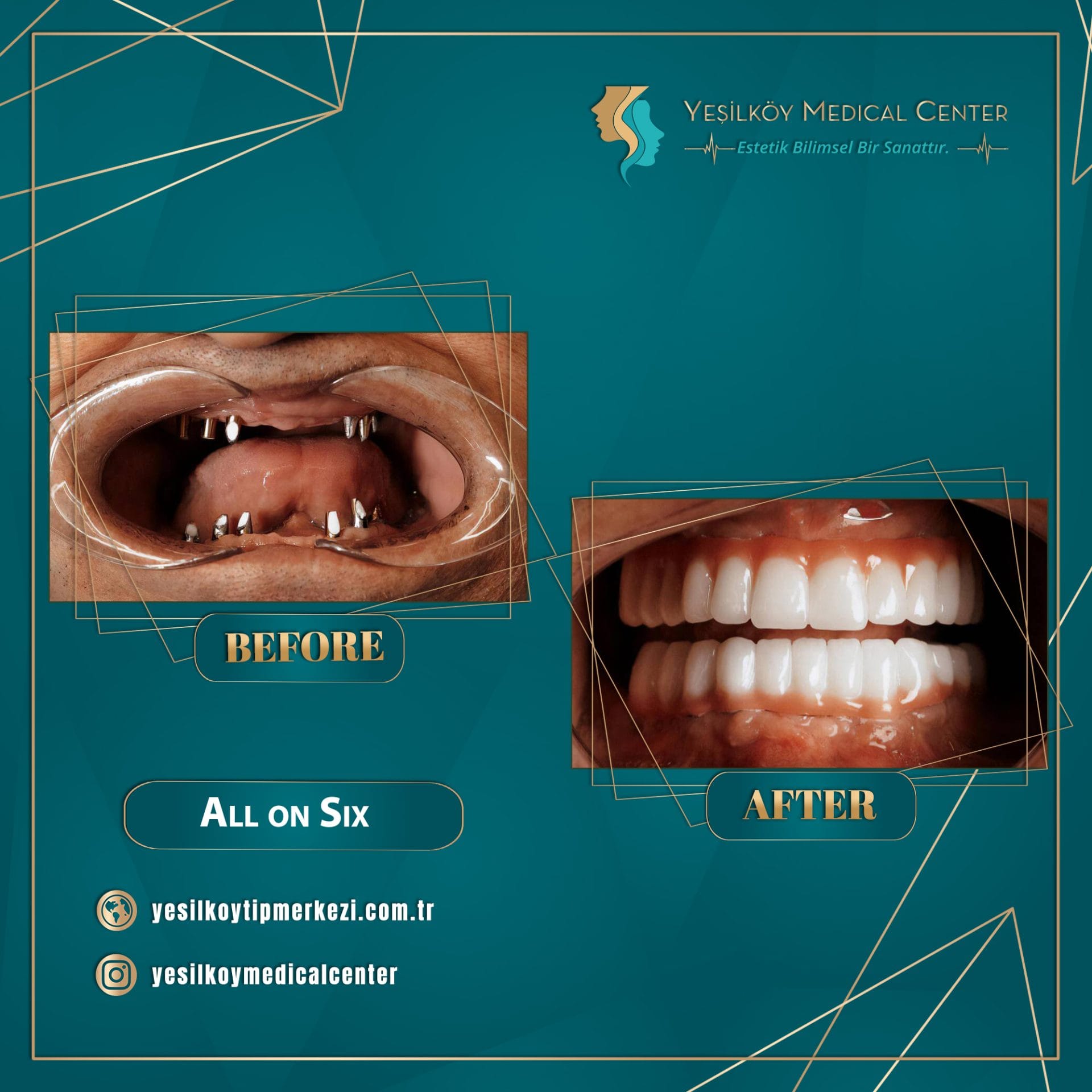
Methods for treating bone deficiency are essential for patients who want dental implants but do not have sufficient bone volume. After tooth loss, the jawbone gradually resorbs over time, making implant placement more difficult. However, thanks to modern dental technologies, this problem can now be effectively managed.
Methods for treating bone deficiency are planned based on the patient’s bone condition, the severity of bone loss, and treatment goals. With proper planning, both functional and aesthetic outcomes can be successfully achieved.
Bone Grafting
Bone grafting is one of the most commonly used techniques in cases of bone deficiency. In this procedure, bone graft material is placed in the deficient area.
Over time, this material integrates with the patient’s body and promotes new bone formation. This creates a solid foundation for implant placement and increases treatment success.
Sinus Lifting
Bone deficiency is often seen in the upper jaw, especially in the posterior region where sinus cavities are located.
Sinus lifting involves elevating the sinus membrane and placing bone graft material in the created space. This provides the necessary bone height for implant placement.
Block Bone Grafting
In cases of severe bone loss, block bone grafting may be required. This technique involves harvesting bone from another area of the patient’s body and placing it in the deficient region.
This method is highly effective in restoring large bone defects and ensuring long-term implant stability.
Bone Expansion (Split Crest)
When the jawbone is too narrow, bone expansion techniques can be used. In this procedure, the bone is carefully widened to create enough space for implant placement.
This method is particularly useful for patients with insufficient bone width.
PRF and Biological Enhancements
PRF (Platelet-Rich Fibrin) is a biological method used to accelerate healing and bone formation. It is derived from the patient’s own blood and enhances tissue regeneration.
PRF is often combined with bone grafting to improve outcomes and speed up recovery.
Causes of Bone Deficiency
Methods for treating bone deficiency should be selected after identifying the underlying causes. Common causes include:
- Bone loss after tooth extraction
- Gum disease
- Trauma
- Long-term tooth loss
- Poor oral hygiene
Understanding the cause helps improve treatment success.
Healing Process
The healing period after bone augmentation procedures typically ranges from 2 to 6 months. During this time, new bone forms and prepares the area for implant placement.
Following medical advice, avoiding smoking, and maintaining good oral hygiene are critical for successful healing.
Who Is Suitable?
Patients with insufficient bone volume who wish to undergo implant treatment can benefit from these methods. However, treatment should always be personalized.
A detailed examination and proper planning are necessary to determine the most suitable approach.
Advantages
- Allows implant treatment in challenging cases
- Restores lost bone structure
- Provides long-term success
- Improves aesthetics
- Restores chewing function
Treatment Planning Importance
Methods for treating bone deficiency must be carefully planned based on the patient’s age, overall health, and oral condition. Each patient presents a unique clinical situation, requiring a customized treatment plan.
Advanced imaging techniques such as 3D tomography are used to analyze bone density and structure. This ensures accurate planning and reduces the risk of complications.
Patient expectations should also be considered when planning treatment to achieve optimal aesthetic and functional results.
Long-Term Success Considerations
Maintaining the results of bone augmentation procedures requires proper long-term care. Good oral hygiene practices and regular dental check-ups are essential.
Smoking should be avoided, as it negatively affects bone healing. A balanced diet also supports tissue regeneration and improves overall outcomes.
Successful implant treatment depends not only on surgical techniques but also on patient cooperation and care.
More Information
To learn more, visit our
dental treatments page.
For scientific information, refer to
trusted medical sources.
Frequently Asked Questions
Is bone deficiency a barrier for implants?
No, it can be treated with appropriate techniques.
How long does bone graft healing take?
Typically between 2 to 6 months.
Are these procedures painful?
They are usually performed under local anesthesia and are well tolerated.
Conclusion
Methods for treating bone deficiency offer effective solutions that make implant treatment possible even in challenging cases.
With proper planning and expert care, long-lasting and successful results can be achieved.