

Possible Risks of Dental Implant Treatment
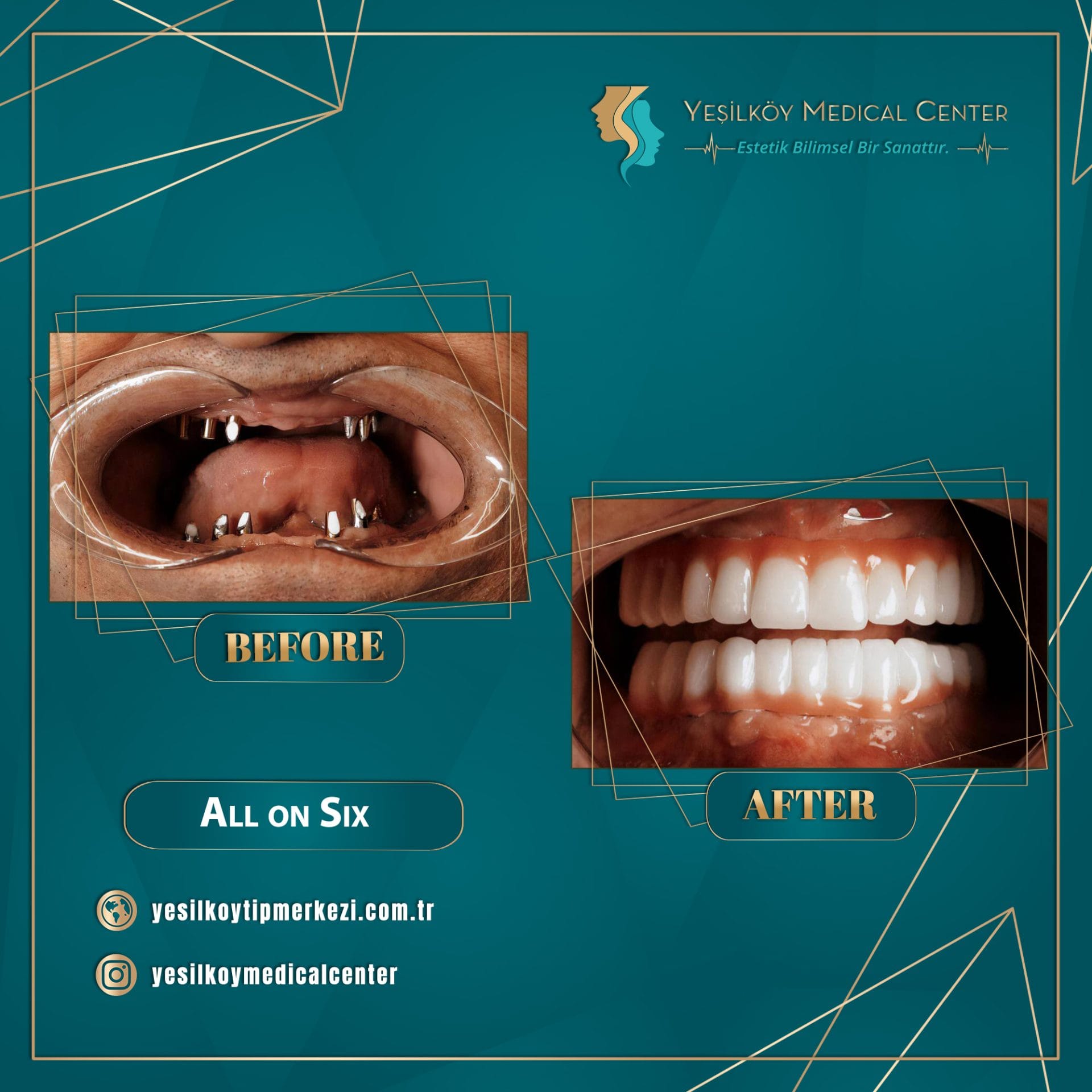
Possible risks of dental implant treatment are among the most important topics for individuals considering this procedure. Dental implants are widely used today, offering high success rates and long-term solutions. However, this does not mean the treatment is completely risk-free. Since implant placement is a surgical procedure, certain risks and complications may occur.
Possible risks of dental implant treatment should be clearly understood so that patients can approach the procedure with realistic expectations. With proper planning, detailed examination, and adherence to professional recommendations, most of these risks can be minimized. The goal is not to create fear, but to ensure informed decision-making.
Risk of Infection
One of the most common concerns in implant treatment is infection. Bacterial accumulation around the implant site, poor oral hygiene, or improper post-operative care may lead to infection.
If detected early, infections can usually be managed successfully. However, advanced infections may damage surrounding tissues and affect implant stability. Proper oral hygiene and regular dental visits significantly reduce this risk.
Failure of Osseointegration
One of the key possible risks of dental implant treatment is the failure of the implant to properly fuse with the jawbone. This condition is known as implant failure.
If osseointegration does not occur successfully, the implant may become loose or need to be removed. Factors such as smoking, insufficient bone density, and chronic diseases increase this risk.
Pain, Swelling, and Sensitivity
Mild pain, swelling, and sensitivity after implant placement are considered normal. These symptoms typically subside within a few days.
However, prolonged or worsening discomfort may indicate complications. Following prescribed medications and post-operative care instructions helps ensure a smoother recovery.
Nerve Damage Risk
In rare cases, especially in lower jaw procedures, nerve damage may occur. This can result in numbness, tingling, or altered sensation in the lips, tongue, or chin.
With modern imaging techniques and proper planning, this risk is significantly reduced. Choosing an experienced dental professional is essential.
Sinus Complications
Implants placed in the upper jaw may be close to the sinus cavities. Improper placement can lead to sinus-related complications.
Advanced imaging techniques and careful planning help prevent such issues. In some cases, additional procedures like sinus lifting may be required.
Insufficient Bone Structure
Adequate bone volume is necessary for successful implant placement. Patients with bone loss may require additional procedures such as bone grafting.
If bone conditions are not properly evaluated, it may negatively impact long-term implant success.
Peri-Implantitis
Inflammation around the implant, known as peri-implantitis, is a serious condition that can lead to bone loss and implant failure.
This issue is often linked to poor oral hygiene and lack of regular dental check-ups. Early detection and proper care are crucial for prevention.
Lifestyle-Related Risks
Possible risks of dental implant treatment are not only related to surgical factors but also to lifestyle habits. Smoking, poor nutrition, inadequate sleep, and neglecting oral care can negatively affect healing.
Adopting a healthy lifestyle significantly improves treatment outcomes and reduces complication risks.
Who Is at Higher Risk?
Patients with diabetes, weakened immune systems, heavy smokers, and individuals with severe bone loss may have a higher risk of complications.
However, this does not mean implants cannot be performed. It simply requires more careful planning and monitoring.
How to Reduce Risks
- Undergo a thorough pre-treatment evaluation
- Maintain proper oral hygiene
- Avoid smoking and alcohol
- Follow all professional recommendations
- Attend regular dental check-ups
More Information
For detailed information about treatments, visit our
dental treatments
page.
For scientific references, you can review
trusted medical resources.
Frequently Asked Questions
Is dental implant treatment dangerous?
No, it is generally safe when performed by experienced professionals.
Can implants be redone if they fail?
Yes, in many cases, a new implant can be placed after proper healing.
Can all risks be eliminated?
No, but they can be significantly minimized with proper care and planning.
Conclusion
Possible risks of dental implant treatment are manageable when approached with proper knowledge and preparation. Careful planning, professional execution, and consistent aftercare ensure long-term success.
When all conditions are met, dental implants remain one of the safest and most effective solutions for missing teeth.